
 Caleb Turner

Prepare the surfaces thoroughly by cleaning them using a mixture of warm water and mild detergent. A soft brush or sponge works effectively to remove dirt and mildew. After washing, let the pieces dry completely, as moisture can hinder the finishing process.
Next, assess the condition of the coating. If there are any areas with peeling or blistering paint, gently sand those spots down to the bare material using fine-grit sandpaper. This ensures better adhesion for the new finish. I recommend always working in the direction of the grain to avoid scratches.
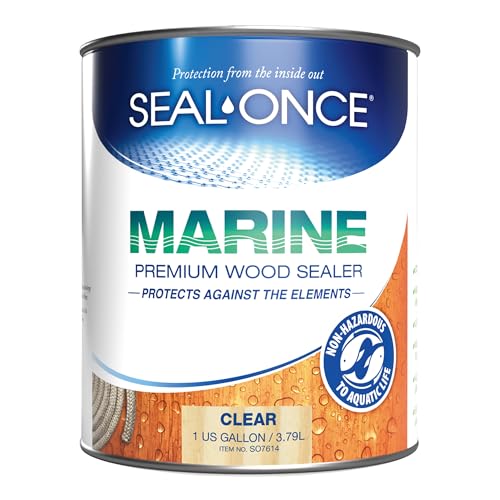


Once sanding is complete, apply a protective sealant or stain that matches your desired aesthetic. A quality outdoor product will offer durability against the elements. Depending on the product, two to three coats may be necessary to achieve optimal protection and appearance. Allow sufficient drying time between applications as specified by the manufacturer for the best results.
Renewing Your Outdoor Wooden Pieces
Begin with thorough cleaning to prepare the surface. I recommend using a soft-bristled brush and a mixture of mild soap and water. Scrub gently to remove dirt and mildew, then rinse with clean water and allow it to dry completely.
Inspect all areas for damages like cracks or loose joints. Fill any cracks with a suitable wood filler, then sand the filled areas smooth once dry.
After sanding, choose an appropriate finish for protection against the elements:
- For a natural look, consider a penetrating oil that enhances grain without masking it.
- If you prefer a colored surface, select a high-quality exterior paint or stain that offers UV protection.
- Seal the finish with an exterior-grade topcoat for added durability.
Apply the chosen product using a brush or roller, ensuring even coverage. If staining, apply thinner coats to achieve the desired depth of color. Follow the manufacturer’s instructions for drying times between coats.
Regular maintenance extends the life of these items. Reapply oil or sealant annually, depending on exposure to the weather. Keeping them covered or in a sheltered area during harsh conditions can significantly prolong their appearance and functionality.
Assessing the Condition of Your Furniture
Begin with a thorough inspection of your items. Look for visible signs of damage, such as cracks, splintering, or peeling surfaces. Pay attention to joints and connections; any wobbling or instability is a red flag that repair may be necessary.
Utilize a flashlight to check for any underlying decay or insect damage, especially in hidden areas. Take a close look at the finish: is it faded or uneven? A compromised finish can lead to further deterioration.
To assess water damage, run your fingers over the surface. If it’s sticky or rough, this may indicate moisture infiltration. Check for mold or mildew, particularly in shaded or damp areas.
| Issue | What to Look For | Recommended Action |
|---|---|---|
| Cracks and Splits | Visible fractures in the surface | Consider wood filler or epoxy for repairs |
| Peeling Finish | Rough patches or discoloration | Sanding down and reapplying protective coating |
| Water Damage | Sticky texture or dark spots | Dry thoroughly and treat with appropriate sealers |
| Mold or Mildew | Dark spots or musty odor | Use a cleaning solution to remove and prevent recurrence |
Document the findings to create a plan for restoration. By methodically evaluating each piece, I ensure a thorough approach to revitalization and longevity of my items.
Choosing the Right Materials for Refinishing
Opt for high-quality stains or paints specifically designed for exterior surfaces. These formulas provide durability against UV rays and moisture. Look for brands that offer fade resistance and mildew protection.
Types of Finish
- Oil-based Stains: Ideal for deep penetration, enhancing the natural grain of the surface. These provide excellent protection but may have stronger odors during application.
- Water-based Stains: Easier to clean up and have lower VOCs. They dry faster but may require more frequent reapplication.
- Paint: Provides a solid shield against the elements, ideal for weathered pieces. Consider matte, satin, or gloss finishes based on your aesthetic preference.
Tools and Supplies
- Sandpaper: Use varying grits (80, 120, 220) for smoothing surfaces. Start coarse and finish fine for a polished look.
- Brushes and Rollers: Choose natural bristle brushes for oil-based products and synthetic for water-based. Rollers can speed up large surface applications.
- Drop Cloths: Protect the work area. This prevents spills and improves cleanup efficiency.
For longevity, remember to consider sealants that provide an extra layer of protection post-finishing. Clear sealants can enhance both the appearance and durability of the chosen finish.
Preparing the Surface for Transformation
Begin with a thorough cleaning of the surfaces. I use a mixture of mild soap and water, applying it with a soft brush to remove dirt and grime. Rinse well and let it dry completely before proceeding.
Next, I assess for any remaining finish. If I detect an old coat of paint or sealant, I opt for a chemical stripper or a heat gun to aid in removal. For stubborn areas, sanding may be necessary; I start with coarse-grit paper and progress to a finer grit for a smooth finish.
Pay close attention to any cracks or splinters that might have formed. Using wood filler, I fill in any imperfections and sand them down once it dries, ensuring a seamless surface.
Before applying any new treatment, I wipe the surface with a damp cloth to capture any dust or debris created during the preparation. This step ensures that the new finish adheres properly.
Lastly, I recommend allowing the surface to breathe for a few hours before moving on to the next step in the transformation process. This guarantees any residual moisture evaporates, presenting me with an ideal foundation for applying new finishes.
Selecting the Appropriate Finish for Outdoor Use
Choosing a suitable coating is crucial for ensuring longevity. I recommend polyurethane for its durability against moisture and UV rays, protecting against cracking and peeling. For a natural look, consider an oil-based finish like teak or linseed oil, which penetrates deeply and enhances the grain while providing a degree of water resistance.
Types of Finishes
There are several categories of treatments to evaluate:
- Varnishes: These create a thick protective layer that offers excellent UV and moisture resistance. Look for products labeled as marine-grade.
- Stains: Semi-transparent options add color while allowing the wood’s texture to show through. They typically contain oils that offer decent protection.
- Sealants: These are great for a clear finish but may require more frequent reapplication than other options.
Application Tips
Prior to applying any treatment, ensure the surface is clean and dry. For oil-based products, applying several thin coats will yield better results than a single thick coat. Keep in mind the drying time and avoid exposure to harsh weather during this period.
Choosing the right finish can significantly enhance the aesthetic while prolonging the life of my outdoor piece. Regular maintenance, such as reapplication, will ensure that the finish continues to provide protection.
Step-by-Step Guide to Stripping Old Finish
I begin by selecting a suitable stripper, focusing on one that caters to the type of material I’m working with. A gel or liquid formulation typically works best for different surfaces. I ensure adequate ventilation by working outdoors or in a well-ventilated area.
Next, I prepare the area by laying down a drop cloth to protect the surroundings from drips or spills. I wear protective gloves, safety goggles, and a mask to guard against harmful fumes.
I then apply the stripper generously using a brush, ensuring an even layer covers all areas needing treatment. I wait for the recommended duration, usually between 15 to 30 minutes, to allow the chemical to penetrate the existing finish.
After waiting, I use a scraper to gently lift the softened finish. I work carefully to avoid damaging the surface beneath. For intricate details, a steel wool or toothbrush may help remove residual finish effectively.
Following this, I wash the surface with a mixture of water and mild soap to neutralize the stripper, ensuring no chemical residue remains. I make sure to rinse thoroughly and dry the piece with clean towels.
Finally, I inspect the surface for any remaining finish. If needed, I repeat the stripping process until the surface is completely bare, preparing it for the next steps in the transformation.
Techniques for Sanding and Smoothing Wood
Begin with coarse-grit sandpaper, around 60 to 80 grit, to eliminate old finishes and surface imperfections. Use a sanding block for flat areas to ensure even pressure. For detailed sections or curves, opt for foam sanding pads that conform to the shape.
Progress Through Grits
After addressing rough spots, transition to medium-grit sandpaper, typically 120 grit. This step refines the surface, preparing it for finer sanding. Finally, use fine-grit paper, 220 grit or higher, for a silky finish.
Hand vs. Power Sanding
- Hand sanding: Allows for greater control in delicate areas.
- Orbital or belt sanders: Speeds up the process on larger, flat surfaces.
Always move with the grain to minimize scratches and ensure a smooth outcome. After sanding, remove dust with a damp cloth or vacuum, then allow the surface to dry completely before applying any new finish.
Applying Stain or Paint for Optimal Coverage
For maximum coverage, I recommend choosing a high-quality exterior stain or paint specifically designed for outdoor application. These products offer superior adhesion and durability against the elements.
Techniques for Application
Using a brush, roller, or sprayer depends on your comfort level and the texture of the surface. A brush allows for detailed work, ensuring the stain penetrates properly. Rollers cover large areas quickly, while sprayers excel in reaching intricate spots. Whichever method I choose, I apply the coating in thin layers to prevent drips and achieve an even finish.
When employing a brush, I follow the wood grain to enhance coverage while minimizing visible brush strokes. Opting for a roller? I always use a short nap for smooth surfaces, which prevents excess paint from pooling in crevices.
Drying and Curing Times
After application, I wait for the recommended drying time as indicated on the product label. This usually ranges from one to four hours depending on the humidity and temperature. In cooler conditions, I extend the wait to ensure proper curing before applying a second coat. This step is critical for achieving a robust finish.
For enhanced protection, I apply a clear sealant over the stain or paint after the final coat is dry, providing an additional layer against moisture and UV rays.
Caring for Your Newly Finished Outdoor Furniture
For longevity, regularly clean surfaces using mild soap and a soft cloth or sponge. Avoid abrasive materials that can harm the finish. Rinse thoroughly to remove soap residue and moisture, then allow to dry completely.
Consider applying a protective coating annually, especially before the onset of harsh weather. Choose a product designed specifically for the type of finish you have applied–be it oil, varnish, or another sealant–to enhance durability and appearance.
Store items in a covered area or use protective covers during extreme weather conditions, ensuring ventilation to prevent moisture buildup. Check for signs of wear or damage every few months, addressing any issues to prevent further deterioration.
Below are key care tips summarized in a table:
| Action | Frequency | Notes |
|---|---|---|
| Clean surfaces | Monthly | Use mild soap and soft cloth |
| Protective coating application | Annually | Match product to finish type |
| Inspection for wear | Every 3 months | Address issues promptly |
| Store or cover during extreme weather | As needed | Ensure ventilation |
By following these guidelines, I ensure that my transformed pieces maintain their beauty and functionality for years to come.


