
 Caleb Turner

I recommend opting for products labeled as low-emission or certified without hazardous volatile compounds. Look for alternatives made from solid wood or MDF that meets strict emission standards, as these materials often contain fewer harmful substances.
It’s beneficial to allow items to off-gas in well-ventilated areas before bringing them indoors. Keep windows open for several days or use air purifiers equipped with HEPA filters to enhance indoor air quality. Regularly airing out your living spaces helps dilute any residual odors.
Consider incorporating indoor plants known for their air-purifying properties. Species such as peace lilies and snake plants can help absorb certain pollutants, including those found in home furnishings. Placing several plants throughout your living areas not only enhances aesthetic appeal but also creates a healthier environment.
Researching and selecting furniture finishes that utilize natural oils or water-based products can significantly lower exposure to hazardous chemicals. Avoid items that list high levels of VOCs in their composition. Engaging with brands committed to sustainable and eco-friendly practices further ensures a safer home atmosphere.
Strategies for Minimizing Harmful Chemicals in Household Items
Choosing materials labeled as low-emission or certified for indoor air quality is crucial. Look for products with certifications like GREENGUARD or CARB that indicate compliance with strict standards for chemical emissions.


Ventilation is essential. Regularly open windows to improve airflow. Using air purifiers equipped with HEPA filters can significantly cut down on airborne pollutants.
Opt for Natural Alternatives
Select organic or natural materials such as solid wood, bamboo, or untreated metal over composite materials like particleboard or MDF. These alternatives often contain fewer harmful additives.
Manage Temperature and Humidity
Keep indoor climate controlled; excessive heat or humidity can increase the release of toxins from various products. Maintaining levels around 20-22°C (68-72°F) with humidity below 50% helps minimize chemical emissions.
Routine cleaning with non-toxic, eco-friendly products will limit the accumulation of particulate matter and other pollutants in your living space.
Identify Sources of Formaldehyde in Your Furniture
To tackle unwanted chemical emissions in your space, evaluating the origins in your household items is key. Look closely at the components and materials used in the items occupying your home. Below are specific elements to consider:
Common Contributors
- Engineered Woods: Plywood, medium-density fiberboard (MDF), and particleboard often contain adhesives that release harmful substances.
- Certain Finishes: Varnishes, paints, and stains can introduce unwanted chemicals. Check for water-based or low-emission options.
- Foam Padding: Upholstered pieces may have high levels of volatile organic compounds (VOCs). Natural latex or certified foams are preferable alternatives.
Manufacturing Practices
- Brand Transparency: Research brands that disclose their materials. Trusted manufacturers often commit to lower emissions.
- Certification Standards: Look for items labeled with certifications such as Greenguard or CARB, indicating lower levels of harmful emissions.
Conducting a thorough examination of these areas can help identify the culprits and enable better choices when selecting or keeping items in your living environment.
Choose Low-Emitting Furniture Materials
Opting for materials that emit fewer volatile compounds significantly enhances indoor air quality. Look for products labeled with certifications such as GREENGUARD or California Air Resources Board (CARB) compliance, which indicate lower emissions.
Recommended Material Choices
Here are some materials that demonstrate lower emissions:
| Material | Description |
|---|---|
| Bamboo | A sustainable option, strong yet lightweight, often processed with minimal chemicals. |
| Solid Wood | Choose natural finishes without synthetic additives. Look for FSC-certified species. |
| Metal | Used in frames and hardware, metal is inorganic and doesn’t emit harmful substances. |
| Natural Fibers | Materials like cotton, wool, and linen are preferable for upholstery as they have minimal chemicals. |
Assessing the manufacturing process is also critical. Avoid products made with particleboard, plywood, or MDF unless they meet strict emission standards, as these commonly contain adhesives that release harmful compounds.
Innovative Alternatives
Consider eco-friendly alternatives, such as recycled materials or hemp-based composites. These options often incorporate lower emissions and are better for the environment. Researching brands and their commitment to reducing chemical emissions provides insight into purchasing decisions.
Use Air Purifiers with Activated Carbon Filters
I recommend incorporating air purifiers equipped with activated carbon filters in spaces where items emitting harmful compounds are present. These filters are specifically designed to absorb volatile organic compounds (VOCs), including those released by various materials used in home décor and household items.
When selecting a purifier, ensure it has the proper Clean Air Delivery Rate (CADR) rating suitable for the size of your room. A higher CADR means faster air cleaning capabilities, which is vital for minimizing indoor pollution.
Place the purifier strategically in rooms where you spend the most time. Operating it continuously, especially in closed areas, enhances its efficacy, ensuring that airborne contaminants are consistently filtered out.
For optimal performance, it’s important to change the activated carbon filters according to the manufacturer’s recommendations. Some units have indicator lights or timers, which help track filter life and prompt timely replacements.
Using these devices significantly improves indoor air quality, creating a healthier environment and reducing potential health risks associated with exposure to VOCs. Consider integrating multiple units for larger spaces or open-plan layouts.
Maximize Ventilation in Living Spaces
Install window screens to keep the airflow open while preventing pests. This simple addition encourages cross-ventilation, especially on warmer days.
Open windows regularly, even in colder months, to allow fresh air to circulate. I make it a habit to ventilate rooms for at least 15 minutes daily.
Consider using exhaust fans in areas prone to humidity, such as kitchens and bathrooms. They effectively expel stale air and moisture, helping maintain a healthy indoor environment.
Utilize ceiling fans to help distribute air evenly throughout the room. I find that running them in a counter-clockwise direction during warm months enhances airflow efficiently.
Arrange furniture to promote space for air movement. Avoid blocking vents or air ducts with large pieces, creating an unobstructed path for ventilation.
If feasible, install an air exchange system or opening some wall sections for additional airflow. Such systems can continuously replace stagnant air with fresh, outdoor air.
Enlist indoor plants known for their air-purifying qualities. They not only enhance aesthetics but also contribute to improving air quality by absorbing toxins.
Create a routine to consciously check for excess moisture or stagnant air, especially in closets or poorly ventilated areas. Keeping these spaces open and dry helps mitigate unwanted air pollutants.
Apply Sealing Products to Furniture Surfaces
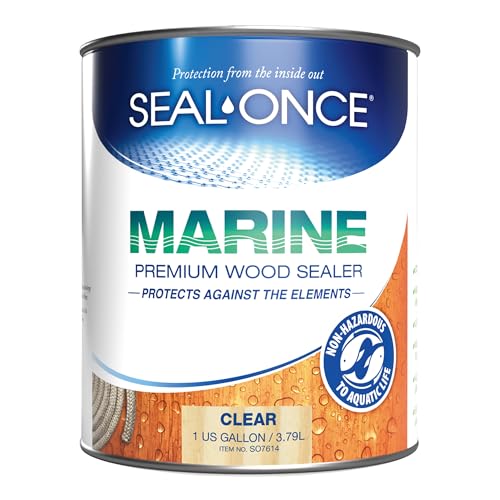
I always opt for high-quality sealing products to cover surfaces of items that might emit harmful compounds. These sealants create a barrier, minimizing exposure and reducing chemical release into the environment.
Acrylic-based sealants are a great choice for substrates like plywood and MDF, as they effectively lock in any potential toxins. After application, it is crucial to allow adequate curing time according to the manufacturer’s instructions to ensure maximum effectiveness.
Selecting the Right Product
Choosing products labeled as low-volatile organic compounds (VOCs) can further enhance safety. Many eco-friendly options on the market offer reliable sealing without harmful emissions. I recommend looking for certifications like Greenguard or EcoLabel while selecting these items.
Application Tips
When applying sealants, I ensure to work in a well-ventilated area to encourage any residual fumes to dissipate quickly. In addition, using a brush or roller can provide even coverage, preventing spots where chemicals may still escape. Maintaining a regular re-application schedule is also beneficial in prolonging the protective barrier.
Maintain Optimal Temperature and Humidity Levels
I keep indoor temperatures around 70°F (21°C) to minimize emissions from various materials. Proper humidity levels should range between 30% and 50%; I use a hygrometer to monitor this closely.
Using a dehumidifier helps during humid months, while adding moisture through an evaporative humidifier is beneficial in the dry winter period. I’ve found that maintaining these levels not only contributes to better indoor air quality but also enhances comfort.
Insulating my home properly prevents drastic temperature changes, which can trigger the release of chemicals from items made with pressed wood and similar composites. Monitoring and adjusting heating and cooling systems regularly keeps everything stable.
I also ensure that heating appliances are working efficiently, as those can affect indoor moisture levels. By taking these measures, I’m able to create a healthier living environment.
Regularly Clean and Maintain Furniture Items
To maintain a healthier indoor environment, I prioritize regular cleaning of my home furnishings. Dust and dirt can accumulate, harboring various chemicals that might release harmful substances.
- I use a damp microfiber cloth to wipe surfaces, which effectively traps particles rather than scattering them.
- Vacuuming upholstered pieces with a vacuum that includes a HEPA filter captures allergens and irritants.
- I apply a natural cleaner that is free from harsh chemicals, minimizing exposure to unwanted compounds.
In addition to cleaning, I pay attention to maintenance protocols:
- Monthly assessments help identify any signs of wear or damage, allowing for timely repairs.
- For wooden items, I utilize natural oils to condition surfaces, which can form a protective barrier against moisture.
- I ensure that any stains are addressed promptly to prevent deeper absorption of contaminants.
Regular care extends the lifespan of my belongings and contributes to a safer living space. I also avoid overloading storage areas to maintain good air circulation around my decor, as this helps reduce any potential emissions.
Consider Plants That Absorb Indoor Pollutants
Incorporating specific houseplants can significantly improve indoor air quality. Plants like the Peace Lily, Spider Plant, and Boston Fern are known for their ability to filter harmful substances. The Peace Lily excels in removing toxins such as benzene and formaldehyde, thriving in low light while requiring minimal care.
Optimal Choices for Your Home
Spider Plants are especially resilient and can adapt to various conditions, making them a practical choice for different rooms. They not only absorb pollutants but also propagate easily, offering an opportunity to increase your green presence without much effort. Boston Ferns, with their lush foliage, are effective in maintaining humidity levels while clearing pollutants from the air.
Placement and Care Tips
To maximize their effectiveness, position these plants in areas with good airflow. Regular maintenance, such as watering and dusting leaves, enhances their ability to filter air. Selecting pots that encourage proper drainage can prevent root rot and keep the plants healthy, ensuring they continuously contribute to a cleaner environment.
Research Manufacturers with Low-Formaldehyde Standards
I prioritize manufacturers that adhere to strict low-emission guidelines. Look for companies certified by organizations such as Greenguard or the California Air Resources Board (CARB), which mandate lower thresholds for harmful emissions.
Additionally, I examine product lines from brands known for sustainability. Companies like IKEA and Herman Miller often incorporate eco-friendly practices and provide transparency regarding their materials. By choosing furniture from these sources, I can minimize harmful exposures effectively.
Reading customer reviews and product specifications helps identify reputable brands. I seek furniture made from solid wood or materials that use alternative adhesives with reduced harmful chemicals. Platforms like the Forest Stewardship Council (FSC) certification indicate responsible sourcing of wood and can guide better choices.
Engaging directly with manufacturers to inquire about their testing and material sourcing can reveal valuable insights. Many manufacturers have detailed their commitment to sustainability on their websites, enabling me to make informed decisions regarding my purchases.
Lastly, I keep an eye out for new players in the market who emphasize health-conscious manufacturing, as innovations often arise from emerging brands looking to challenge the status quo. Supporting those brands furthers the demand for safer options in home decor.


