
 Caleb Turner
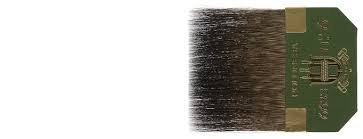
For a stunning finish on your home accents, select a quality adhesive suitable for gilding. I recommend using an adhesive designed specifically for metal, as it ensures better adherence and longevity. Apply a thin, even coat to the surface you wish to enhance, ensuring complete coverage to avoid patchy areas.
Once the adhesive is tacky to the touch, lay down the gold elements delicately. Utilize a soft brush or a specialized gilding tool to press the sheets onto the surface, ensuring that each piece adheres securely without trapping air bubbles. Take your time with this step; painstaking attention leads to a flawless outcome.
After the application, allow sufficient drying time before sealing your work. To protect the delicate finish, consider applying a clear topcoat or sealer designed for metallic surfaces. This will safeguard the glimmer while enhancing the durability of your design. Enjoy your beautifully transformed home accents!


Application Techniques for Gilding Surfaces
I prefer to utilize a soft brush to gently apply an adhesive suitable for gold application. Ensure the layer is thin and evenly distributed, avoiding puddling. Allow this base to become tacky, which typically takes about 20-30 minutes, depending on the product.
Managing Adhesive
Using a clean brush, lightly check for optimal tackiness. If it feels sticky but you can still touch it without residue sticking to your finger, it’s ready for application. It’s crucial to work in small sections to ensure the adhesive remains effective.
Applying the Metallic Folio
Carefully lay your sheets of the metallic material onto the prepared area. I find using a large, dry brush helps to gently press the gilding into the adhesive, smoothing out any wrinkles or air bubbles. Be patient; sometimes multiple layers are necessary to achieve desired opacity. Once complete, allow everything to dry thoroughly before finishing with a sealant to protect against wear.
Choosing the Right Type of Gold Leaf
For my projects, I prefer to select between various options available in the market. The two main types are genuine and imitation variants. Genuine metal is made from real gold, while imitation is crafted from other metals, often coated with gold-colored finishes. Genuine offers authenticity but at a higher cost.
I usually analyze my budget and the desired longevity of the item to make this choice. If a luxurious look is crucial, I opt for genuine metal. For more casual applications, the imitation variant suffices.
| Type | Material | Price Range | Durability |
|---|---|---|---|
| Genuine | Real Gold | High | Very Durable |
| Imitation | Metal Alloy | Low to Medium | Less Durable |
Consider thickness as well. I typically choose either double or transfer types, each having distinct applications. Double sheets are thicker and simpler to handle, while transfer types offer precision with detailed designs.
Lastly, finish plays an essential role. I generally choose between matte and glossy treatments, reflecting light differently based on the aesthetic I want to achieve. The project dictates the material, thickness, and finish, balancing luxury with practicality.
Preparing the Surface for Application
Begin by cleaning the piece thoroughly. Use a soft cloth to remove dust and dirt, followed by a damp cloth with mild soap. Ensure there are no residues left that could affect adhesion.
Sanding
Smooth the surface with fine-grit sandpaper. This step creates a texture that enhances grip, allowing for better adherence of the metallic sheets. Focus on areas with imperfections or previous finishes for an even application.
Priming
After sanding, apply a suitable primer. A good choice is an oil-based or shellac primer, which prepares the surface by providing a strong base for the adhesive. Ensure the primer dries completely before proceeding.
Test a small discrete area with the adhesive to check for compatibility. This can prevent issues later on during the application process.
- Make sure your workspace is dust-free.
- Wear protective gloves to prevent skin contact with chemicals.
- Consider using a soft brush to apply the adhesive for a smooth, even coat.
After these steps, the surface will be ready for the next stage of the project, ensuring a flawless finish that enhances the overall aesthetic of the item.
Gathering Tools and Materials for Leaf Application
Begin with a clean workspace that allows for easy access to all items. Ensure you have the following equipment before commencing the gilding process:
Required Tools
| Tool | Purpose |
|---|---|
| Brush | For applying adhesive and smoothing out the decorative sheets. |
| Adhesive | A suitable glue or size that remains tacky for proper application. |
| Sealer | To protect the finished layer and enhance durability for the surface. |
| Soft Cloth | To clean surfaces and buff the finish post-application. |
| Cutting Knife | For trimming excess sheets to achieve clean edges. |
Necessary Materials
Alongside the tools, gather high-quality adornment sheets. Determine the kind that suits your aesthetic. Optionally, consider different thicknesses or finishes, such as matte or glossy, for varied effects.
Proper preparation ensures a seamless execution. Amass everything before starting the transformation process to avoid interruptions during application.
Applying Adhesive for Gold Leaf
Before applying the delicate sheets of metallic finish, it’s crucial to select the right adhesive. I use a specialized size, which remains tacky after drying, allowing the application of the thin foil without immediate bonding. Here’s my recommended approach:
- Ensure the surface is clean and dry. Any dust or debris will interfere with adhesion.
- Apply the adhesive using a fine brush or foam applicator for even coverage. Avoid clumping, as this can create uneven surfaces.
- Follow the manufacturer’s instructions regarding drying times. Typically, I let it sit until it’s tacky but not completely dry–this is essential for good adherence.
- Test a small corner before full application. This helps verify that the adhesive is suitable for your chosen metallic sheets.
Once the adhesive reaches the right consistency, proceed to lay the sheets carefully. I find starting from one corner and working my way across avoids wrinkles and ensures an even finish.
For best results, I recommend working in a dust-free environment. Any particles can compromise the final look. Additionally, I always keep a soft brush handy to gently press the sheets onto the glue and smooth out any imperfections.
Handling and Cutting Gold Leaf Sheets
I recommend working in a calm environment to minimize static and ensure precision. Always handle the sheets using a clean, dry brush or tweezers to prevent smudges and fingerprints. The best way to cut these delicate sheets is through a process called “cutting on the glass.” Using a smooth, flat surface prevents tearing and allows for clean edges.
Place the gold on a piece of glass or a cutting board. Using a sharp blade, such as an X-Acto knife, gently score the sheet while applying slight pressure. Avoid pressing too hard to prevent tearing. The optimal size for each section is typically around 3×3 inches, but adjust based on your project’s specifics.
To separate the sheets, lift the corner gently with the blade and peel away. If the sections are stuck together, use a soft brush to lightly dust between layers without damaging them. Make sure to hold the sheet at the edges to maintain its integrity throughout the cutting process.
Keep any remnants of the sheets. They can be reused for smaller areas or touch-ups later. Finally, always store unused sheets in a cool, dry place to preserve their quality and prevent damage.
Application Techniques for Gilding
Begin by working in a well-lit area. Use a soft brush to apply the adhesive evenly, ensuring a smooth surface. Allow it to become tacky; this usually takes about 15-20 minutes, depending on the product used. Check for a slightly sticky feel without being wet.
Gilding Process
With precision, pick up a sheet of metal shimmer using a fine brush or your fingers. Carefully place it onto the prepared surface, allowing it to float down gently to avoid wrinkles. Use a gentle stippling motion with a clean brush to secure it in place and smooth out any bubbles. Smooth out the material towards the edges so it adheres properly, ensuring no lifting along the seams.
It’s beneficial to work in small sections, gilding one area at a time to maintain control over the application. Continue until the entire surface is covered, then brush away any excess material after the adhesive has set completely. This technique creates a flawless, elegant finish that enhances the beauty of the piece.
Finishing Touches
After allowing sufficient drying time, seal the surface with clear varnish to protect the shimmering finish. This step is essential for durability and longevity, as it creates a barrier against wear and tear. Use a soft brush to apply the varnish gently, taking care not to disturb the metallic sheen underneath.
Sealing and Protecting the Gilded Finish
To ensure the longevity of the shimmering surface, I apply a sealant once the application has fully dried. A water-based polyurethane or a varnish specifically designed for metallic surfaces works best. These products provide a protective barrier against moisture and scratches without compromising the brilliance of the finish.
I usually choose a satin or matte sealant to avoid reflection that might detract from the luster. It’s vital to use a sealant that specifically states compatibility with metallic finishes; not all sealants will preserve the vibrancy of the applied sheets.
Before applying the sealant, I wait at least 24 hours to allow the adhesive to cure completely. I gently clean the surface with a soft, dry cloth to remove any dust or particles without disturbing the applied material.
For application, I use a high-quality synthetic brush or a foam applicator to avoid leaving brush strokes. I apply the sealant in thin, even layers to maintain a smooth finish. It’s advisable to allow each coat to dry thoroughly before applying an additional layer. Typically, two to three coats suffice for optimal protection.
Regular maintenance is equally important. I avoid harsh chemicals or abrasive cleaners and instead opt for a damp cloth for cleaning. If the surface starts to lose its luster, I can lightly reapply the sealant without needing to redo the entire process.
Repairing and Touching Up Gold Leaf Work
To address imperfections in the gilded surface, gentle sanding with fine-grit sandpaper is often necessary. Focus on smoothening any areas that have become damaged or lose their adhesion. Be cautious, as excessive pressure can remove too much of the metallic finish.
Steps for Repair
- Assess the damage by inspecting the affected area under good lighting.
- Lightly sand the surface around the damaged section; this helps ensure better adhesion of new materials.
- Clean the area thoroughly with a soft cloth to remove dust and debris.
- Apply a thin layer of adhesive where the new foil will adhere.
- Once the adhesive becomes tacky, lay the foil over the damaged area carefully.
- Use a soft brush to press the foil into place, ensuring it adheres well without wrinkles.
- Trim the excess with a craft knife for a clean edge.
Touch-Up Techniques
For minor touch-ups, consider using a small paintbrush to apply adhesive only to the spots requiring attention. After letting the adhesive set for a few minutes until tacky, applying a piece of foil can effectively restore smaller blemishes without needing significant repairs.
- For spots that are hard to reach, cut smaller pieces of foil to fit the area.
- Always work in a well-lit environment to ensure precision.
- Consider using a sealant specifically designed for finished metal surfaces to protect the integrity of the repairs.
Regular inspections can help catch issues early, reducing the need for extensive repairs and ensuring the brilliance of the finish remains intact.
Maintaining Gold Leaf Furniture Over Time
I recommend regularly dusting the surface with a soft, dry cloth to prevent buildup that can lead to tarnishing. Avoid using any damp cloths or cleaning sprays, as moisture can damage the delicate finish. For light cleaning, a mixture of mild soap and water can be applied gently with a microfiber cloth, but ensure no excess moisture seeps into cracks or edges.
Applying a protective wax can enhance the longevity of the gilded surfaces. I find that a clear, non-yellowing paste wax or a natural beeswax formula works effectively. This creates a barrier against dust and dirt while maintaining the lustrous appearance.
Shield against direct sunlight exposure, as Ultraviolet light can cause fading and discoloration. Positioning the item away from windows or using UV-filtering films on glass can mitigate this risk. If the piece is in a high-traffic area, consider using a decorative cover to protect the surface when not in use.
Routine inspections for chips or scratches are essential. Minor damage should be addressed promptly. I recommend having a small touch-up kit on hand for quick repairs. This may include extra sheets of metal, adhesive, and a soft brush for smoothing.
If I notice significant wear over time, a professional restoration service can rejuvenate the finish. They have the tools and expertise to restore the brilliance and integrity of the embellishment without compromising the original application.


