Caleb Turner

Begin with a clear vision of how each piece contributes to the ambiance you’re aiming for. Create zones within the space, separating areas for relaxation, entertainment, and work. This will enhance the flow and functionality of your environment.
Prioritize larger items, positioning them first to establish the foundation of the room’s layout. Place couches and beds against walls to maximize floor space. Consider the distance between objects to encourage movement and accessibility.
Accent with smaller elements such as tables and chairs to create balance. Utilize rugs to define areas and add warmth. Keep lighting in mind; it should complement the arrangement and highlight focal points effectively.
Finally, take a step back and review your setup. Adjust as necessary to ensure harmony by observing how each piece interacts with the others. An inviting atmosphere emerges from thoughtful placement and consideration.
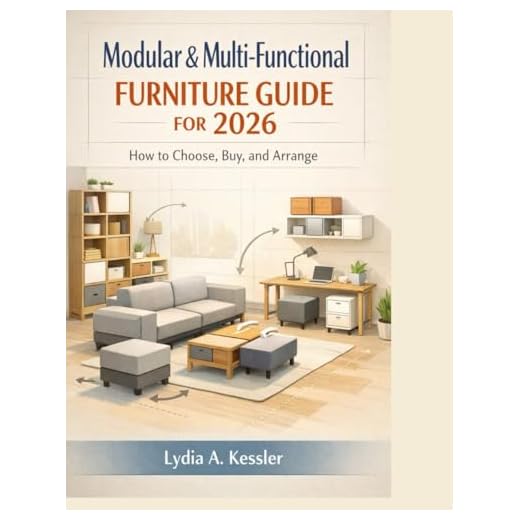


Arranging Items in the Virtual Space
To create a visually appealing environment, I prioritize balance and symmetry within the layout. Placing larger pieces against walls opens up the center area, providing a sense of openness. I avoid clutter by selecting a few standout items instead of overcrowding the room.
I also consider flow and accessibility. Ensuring pathways are clear allows me to navigate smoothly between areas. Items need to relate to one another in style and color for a cohesive look; therefore, I often cluster similar styles and hues to create harmony.
Using zones can enhance functionality. For example, differentiating a relaxing area from a workspace helps organize the space. I use area rugs to define these zones visually while adding warmth and texture.
| Recommendation | Reason |
|---|---|
| Place larger items against walls | Creates openness in the center |
| Avoid overcrowding | Enhances focus on standout pieces |
| Ensure clear pathways | Facilitates easy navigation |
| Cluster similar styles | Establishes visual harmony |
| Define zones with rugs | Adds warmth and separates areas |
Considering these strategies transforms any place into a more inviting and functional space. I regularly experiment with arrangements to find the most pleasing layout that inspires and reflects personal style.
Understanding the Layout of Your Space
I recommend measuring each room’s dimensions before arranging items. Knowing the layout helps in visualizing where larger pieces will fit. Identify focal points, like windows or fireplaces, which can influence placement.
Utilize a grid method by dividing the area into sections, making it simpler to organize everything. Consider pathways for movement to avoid cluttered areas; ideally, 24-30 inches of clear space is optimal for circulation.
Create zones for different activities. For example, maintain a cozy reading nook in one corner and an entertainment section in another. This not only enhances function but also adds character to the layout.
Reflect on the natural light flow through windows. Arrange items in a manner that capitalizes on sunlight during the day, creating a welcoming environment. Dark spots can be brightened with mirrors or light-colored accents.
Utilize multi-functional pieces, especially in smaller areas. An ottoman can serve as extra seating, while a bookcase can display decorative items. This versatility maximizes the use of available areas.
Evaluate the height of various elements. Balance taller items like bookcases with lower ones, such as coffee tables, to promote visual interest and harmony throughout the space.
Lastly, don’t hesitate to experiment with different layouts. Moving items around can provide fresh insights and solutions that enhance both aesthetic appeal and practicality.
Measuring Your Furniture and Space
Accurate measurements are key to achieving balance and functionality in any setting. Start with a tape measure to gather the dimensions of each item intended for placement. Record the width, depth, and height of every piece, ensuring to note any details like protruding elements or unusual shapes.
Assessing the Area
Next, measure the designated zones where installation will occur. Identify the length and breadth of the room, alongside the height from floor to ceiling. Make sure to include measurements of doorways, windows, and any architectural features that may influence arrangement. This approach not only aids visualization but also prevents surprises during setup.
Creating a Scale Model
With the dimensions collected, construct a scale model of the room on graph paper or use online design tools. Represent each item proportionally based on the measurements you obtained. Experimenting with different configurations using this model can streamline the decision-making process and enhance the flow within the environment.
Choosing the Right Style for Each Room
To achieve harmony, select a décor theme that complements the function and atmosphere of each specific area. For instance, consider the following styles:
- Living Room: Aim for a contemporary or minimalist design that promotes relaxation and conversation. Neutral tones paired with textured accents create an inviting space.
- Kitchen: A rustic or farmhouse aesthetic enhances warmth. Incorporate wooden elements and vintage accessories to add character, while maximizing functionality with practical layouts.
- Bedroom: A serene, Scandinavian vibe works well here. Light colors and natural materials cultivate a peaceful sanctuary, essential for restful sleep.
- Home Office: Opt for a modern or industrial style that stimulates productivity. Utilize sleek, functional pieces, and ensure ample lighting to create an efficient work setting.
- Dining Area: A classic or traditional look with rich woods and elegant finishes sets the tone for gatherings. Ensure the layout encourages social interaction.
Assess the size and natural light of each space to influence your choices. A bold color scheme can energize a large area, while soft hues might better suit a cozy nook. Don’t hesitate to mix and match elements, ensuring consistency through color palettes and materials across different rooms.
Finally, personalize the ambiance with art and accessories that reflect individual taste, which will enhance the overall character of the surroundings.
Prioritizing Functionality in Furniture Placement
Evaluate how each piece meets specific needs before arranging items. Identify key activities in each area, such as relaxation, dining, or socializing, and ensure the layout supports these functions seamlessly. For instance, in a living room, position seating to promote conversation while maintaining easy access to pathways.
Creating Zones
Deliberate on setting up defined zones based on the functionality required. Use rugs or lighting to create visual boundaries. This approach enhances the usability of each section without overcrowding. For example, a reading nook can be established in a corner with a chair, lamp, and small table.
Maximizing Movement
Avoid obstructive arrangements that hinder mobility. Leave adequate space between pieces, ideally around 2-3 feet for walking areas. Consider functionality while arranging larger items in line with natural traffic patterns, making transitions between spaces smooth and intuitive.
Ultimately, every decision regarding placement should prioritize usability, ensuring that the items contribute meaningfully to the overall flow of everyday life.
Creating Flow and Accessibility Between Rooms
I focus on ensuring seamless transitions between spaces. Begin by placing larger items away from doorways to prevent obstruction. This approach allows easy movement throughout the environment. In addition, I opt for open arrangements where circulation paths are clear.
Strategic Placement
Position seating and tables to encourage conversation while maintaining space. Align pieces with the flow of traffic to enhance accessibility. For example, in the living room, set a sofa perpendicular to the entryway, creating a welcoming path while arranging chairs in pairs fosters interaction.
Color and Light Considerations
Utilizing similar color palettes and materials across adjacent areas promotes a cohesive feel. Bright lighting at thresholds can help delineate spaces and illuminate darker corners, enhancing accessibility. Incorporate mirrors to reflect light and create an illusion of additional space, allowing areas to feel more interconnected.
| Tip | Details |
|---|---|
| Clear Pathways | Ensure at least 36 inches of clearance for comfortable navigation. |
| Unified Style | Use consistent themes to connect spaces visually. |
| Adjustable Lighting | Incorporate dimmers and layers for versatility and ambiance. |
I prioritize maintaining visibility across rooms, allowing natural sightlines to reduce feelings of confinement. By keeping views unobstructed, I create a more inviting atmosphere that promotes movement and accessibility.
Utilizing Vertical Space for Small Areas
Maximize height with shelving units that reach the ceiling, providing storage and display options without consuming floor space. Incorporate wall-mounted shelves in the kitchen for spices or cookbooks, and in the living room for decor or books, keeping items organized yet accessible.
Consider using tall bookcases or cabinets that occupy vertical dimensions efficiently. Opt for multi-functional pieces like a ladder shelf that serves as both storage and a decorative element, allowing for seamless incorporation into various styles.
Vertical storage solutions extend beyond shelves; utilize hooks and pegboards for hanging items such as bags, hats, or utensils. This approach keeps surfaces clear while adding a design element.
In bedrooms, vertical space can be enhanced with bed frames that allow for under-bed storage or lofted beds, creating additional room for a desk or seating area beneath. Choose nightstands that are slimmer and higher, providing surface area without overwhelming the space.
Lighting fixtures such as pendant lights or wall sconces draw the eye upwards, enhancing the perception of height. Selecting light colors for wall paint and decor promotes a sense of openness, counteracting the compact nature of your surroundings.
Incorporating mirrors strategically reflects light and creates an illusion of depth. Hang larger mirrors to amplify natural light sources and enhance the overall ambiance of the rooms.
Integrating these techniques fosters a more spacious feel, enabling functionality while preserving style in confined environments.
Incorporating Lighting into Furniture Arrangement
I prioritize layered lighting to enhance the design and functionality of each space. By combining ambient, task, and accent lighting, I create a balanced atmosphere that complements the positioning of my furnishings.
My approach starts with identifying focal points. I position brighter fixtures, like stylish pendant lights or statement floor lamps, near conversation areas or reading nooks. This draws attention and elevates the room’s overall aesthetics.
I avoid heavy overhead lighting alone. Instead, I integrate table lamps or wall sconces on side tables or near seating areas to provide softer, inviting light. This adds a cozy ambiance and highlights the beauty of the surrounding pieces.
For multifunctional areas, such as living rooms that also serve as workspaces, I assess task lighting needs. Adjustable desk lamps or wall-mounted lights near workstations ensure adequate illumination for productivity while maintaining comfort in the design.
In smaller spaces, I utilize mirrors strategically to reflect light. This technique not only enhances light flow but also creates an illusion of a more expansive area. I position mirrors opposite windows or light sources to maximize brightness.
During the layout design, I also consider the color temperature of lighting. Warm tones contribute to a relaxed environment, perfect for bedrooms and living rooms, while cooler tones work well in kitchens and home offices for a more energetic feel.
- Combine different lighting types for versatility.
- Highlight key areas with brighter fixtures.
- Create cozy corners with layered soft light.
- Incorporate task lights for functionality.
- Use mirrors to enhance natural light.
- Choose color temperatures based on room purposes.
By thoughtfully weaving together light and layout, I ensure that each area not only looks appealing but also functions effectively for daily activities.
Testing Furniture Arrangement with Virtual Tools
To streamline the setup process, I use virtual design software for visualizing layouts. These tools allow me to create floor plans and manipulate objects effortlessly.
Benefits of Using Virtual Tools
- Accurate scaling helps avoid costly mistakes.
- Instant adjustments enable experimentation with different styles.
- 3D visualization provides a realistic view of the space.
How to Get Started
- Select a suitable software or app, like SketchUp or Roomstyler.
- Input exact measurements of rooms and items.
- Drag and drop elements to explore new arrangements.
Incorporating features such as lighting and window placements in the model allows for a comprehensive overview of aesthetics and functionality. After finalizing a layout digitally, I often take screenshots to compare with real-life options, enhancing decision-making.