Caleb Turner
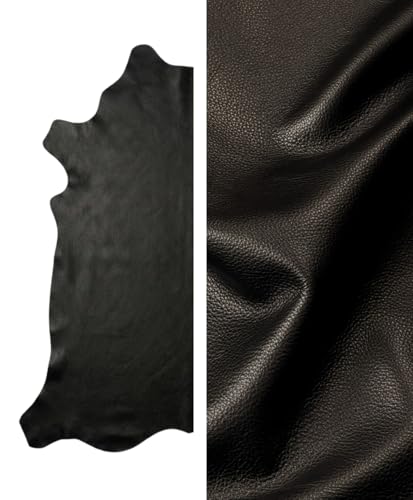
Begin with selecting a carefully chosen piece of leather that complements your style. Ensure it is of high quality, providing durability while enhancing the overall aesthetic. Lay the selected hide over the desired object to visualize its effect before proceeding with the attachment process.
Secure the material using strong adhesive or upholstery staples, ensuring a tight fit to prevent any sagging or creasing. Work methodically from one edge to the other, applying pressure to maintain adhesion. Pay special attention to corners and seams for a polished finish.
Lastly, consider additional elements like trims or accents to elevate the overall look. This can add character and create a cohesive design that harmonizes with existing décor. The transformation achieved through this technique can redefine any space, reflecting personal taste and style.

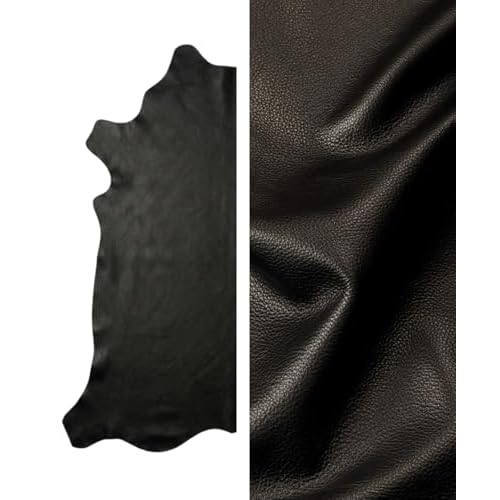

Attaching Hide to Your Pieces
First, gather the necessary materials: adhesive suitable for upholstery, a utility knife, a measuring tape, and a roller or smooth scraper. Begin by cleaning the surface of the item thoroughly; this ensures a strong bond between materials.
Next, measure the dimensions of the area where the hide will be placed. Cut the leather accurately, leaving a small excess for trimming later. It’s crucial to cut with precision to avoid any unsightly edges once applied.
Apply a uniform layer of adhesive to the designated spot. Smooth out any bubbles as you work. For optimal adhesion, gently press the leather into the adhesive, ensuring complete contact. Use the roller or smooth scraper to assist in this process.
Trim any excess material once the adhesive sets partially. Ensure the edges are neat for a professional finish. After everything is secured, allow the item to cure as per the adhesive’s instructions, which usually involves leaving it undisturbed for several hours or overnight.
- Regularly assess the edges for lifting as the piece dries.
- You can reinforce edges with additional adhesive if needed.
- Consider using weights to keep the hide flat during the curing process.
Finally, once the adhesive is fully set, you can treat the surface with a suitable conditioner to maintain its look and longevity. Regular care will enhance the aesthetic and durability of your revamped pieces.
Choosing the Right Cowhide for Your Furniture
I recommend selecting a hide that complements the existing decor. Consider shades like natural browns, whites, and blacks to match various styles, from rustic to contemporary. Look for unique patterns; each piece has its own distinct markings, adding character to my design.
The thickness of the leather is critical. Thicker hides provide durability, ideal for high-traffic areas, while thinner options may suit decorative applications or occasional use. Test the suppleness; a soft feel indicates quality.
Pay attention to the tanning process. Vegetable-tanned options are eco-friendly and develop an attractive patina over time, whereas chemically tanned alternatives may offer more color variety but less of a natural look.
Size matters; ensure the leather is large enough to cover the intended area without piecing together smaller sections. A full hide often provides a seamless, cohesive appearance.
Finally, I find it beneficial to source from reputable suppliers who offer detailed descriptions and care instructions. This ensures I choose a hide that not only looks great but also stands the test of time.
Preparing the Surface for Hide Application
Ensure the selected item is clean and dry. I use a soft cloth or sponge to remove dust, dirt, and any remnants of previous finishes. For stubborn stains, a mixture of mild soap and water helps, but I avoid soaking the area.
Sanding the Surface
If the texture feels rough or if there are any imperfections, I lightly sand the surface with fine-grit sandpaper. This step enhances adhesion, allowing the material to grip better. I wipe down the area afterward with a dry cloth to eliminate any sanding dust.
Preparing for Adhesive
When ready to apply an adhesive, I prefer to use a high-quality spray adhesive or a suitable fabric glue. I test a small, inconspicuous section first to check for any adverse reactions with the finish. Applying the adhesive in a well-ventilated area ensures safety and quality during the application process.
By meticulously preparing the surface, I guarantee a smooth and durable application that enhances the aesthetic appeal of the piece.
Measuring and Cutting Cowhide to Fit Your Furniture
First, gather the necessary tools: a measuring tape, sharp scissors, and a utility knife. I recommend using a sturdy cutting surface to avoid damage to your workspace.
To ensure accurate measurements, follow these steps:
- Measure the dimensions of the area you want to cover. For irregular surfaces, take multiple measurements to capture variations.
- Add an extra inch to your measurements for errors and adjustments. This extra material helps in aligning the hide properly.
- Use a chalk or fabric marker to outline your measurements on the back of the hide, marking clear lines for cutting.
As I prepare to cut, I make sure to:
- Secure the cowhide on a flat surface to prevent movement.
- Cut slowly along the outline, using scissors for curves and a utility knife for straight lines.
After cutting, double-check the fit against the designated area. If any adjustments are needed, trim slowly and carefully to avoid removing too much material. Finally, always clean the edges to prevent fraying before applying the hide.
Selecting Adhesives Suitable for Cowhide Bonding
For a strong and lasting bond, I recommend using contact cement or a strong polyurethane adhesive. These types of adhesives are ideal for attaching leather-like materials due to their durability and flexibility.
Contact cement provides an instant bond and allows repositioning before complete curing. Apply it to both the surface and the underside of the hide, let it set according to the manufacturer’s instructions, and press firmly together.
Polyurethane Adhesive
This option yields a stronger bond, especially in uneven or porous surfaces. It’s moisture-resistant, making it suitable for areas exposed to humidity. Clean the areas thoroughly before application to ensure maximum adhesion.
Other Considerations
Ensure the adhesive is safe for use with animal hides to avoid any damage. Test a small area first if uncertain. Avoid using water-based glues as they can cause the hide to warp or wrinkle.
Proper ventilation is necessary during the application process. Follow all safety guidelines provided by the adhesive manufacturer to ensure a safe working environment.
Applying Cowhide to Different Types of Furniture
Transforming chairs, sofas, and tables with natural leather adds a unique touch. For seating options, whether an accent chair or a sectional, ensure the material conforms to the shape without puckering. Start from the top and work down, smoothing the surface to prevent air bubbles.
Upholstered Pieces
For upholstered chairs or sofas, remove any existing fabric if feasible. Adhere the leather directly to the foam or batting. I recommend using a spray adhesive for even coverage and to allow for repositioning during application. Use a staple gun to secure edges underneath the upholstery to create a seamless look.
Wooden Surfaces
When applying leather to wooden tables or cabinets, first sand the surface lightly to ensure adhesion. Cut your piece slightly larger than the area to be covered to allow for trimming. Apply adhesive liberally and press firmly, smoothing with a roller for even contact. Trim excess once the glue sets.
| Furniture Type | Application Technique | Adhesive Recommended |
|---|---|---|
| Upholstered Chairs | Remove fabric, adhere directly to foam | Spray adhesive |
| Wooden Tables | Sand surface, apply leather, trim edges | Contact cement |
| Ottomans | Wrap and staple securely | Fabric glue or spray adhesive |
For ottomans, wrapping the leather around the edges and securing it on the underside provides a polished finish. Ensure tightness for a sleek look. The right tools and techniques can enhance the aesthetic appeal of your pieces significantly.
Finishing Edges and Ensuring a Smooth Appearance
To achieve a polished look, I recommend using a sharp utility knife to trim the edges of the material precisely after adhering it to the substrate. A straightedge can assist in achieving even cuts, ensuring that the edges align seamlessly with the contours of the item.
Once the cowhide is in place, I carefully press down on the edges to secure them. This step is crucial to prevent lifting and to maintain the overall integrity of the application. Using a roller tool can help apply consistent pressure, thus enhancing adhesion.
After securing the edges, I typically apply edge sealer to prevent fraying and improve durability. A clear acrylic sealer often works well for this purpose. I apply it with a small brush along the edges, wiping away any excess to maintain a clean line.
For a smoother appearance, I recommend using fine-grit sandpaper to gently rub down any raised edges. This technique not only aids in achieving a sleek finish but also allows for better blending with the surface beneath.
Finally, a buffing cloth can enhance the shine of the material. By gently buffing the surface after all sealants have dried, I create a more luxurious feel and improve the visual appeal.
| Step | Description |
|---|---|
| Trimming | Use a utility knife and straightedge for clean cuts. |
| Pressing | Apply even pressure to secure edges; consider a roller tool. |
| Sealing | Apply edge sealer with a brush to prevent fraying. |
| Smoothing | Use fine-grit sandpaper for a seamless edge finish. |
| Buffing | Buff with a cloth for added shine and enhancement. |
Caring for Cowhide Upholstery on Furniture
Regularly dust the surface using a microfiber cloth to prevent dirt accumulation. For deeper cleaning, a damp cloth with mild soap works effectively. Ensure to avoid soaking the skin, as excess moisture can damage it.
For spot cleaning, I recommend a solution of equal parts water and white vinegar, applied gently to the affected area. Blot, don’t rub, to prevent damage. Always test any cleaning solution on a hidden area first.
Conditioning and Protecting
Use a specialized leather conditioner every few months to maintain suppleness and prevent drying. Applying a protective spray designed for leather helps resist stains and spills, enhancing durability.
Long-term Maintenance
Avoid direct sunlight to prevent fading and cracking over time. Keep the piece away from heat sources, like radiators or fireplaces, as extreme temperatures can cause the material to buckle or warp. Periodic rotation of cushions or seats can also help in even wear.
Repairing and Maintaining Natural Leather Over Time
Regular upkeep is necessary for extending the lifespan of natural leather coverings. Start with vacuuming to remove dust and debris. This prevents dirt from becoming embedded in the fibers.
For minor scuffs and scratches, use a soft, damp cloth with a mild soap. Gently wipe the affected area, then dry it with a clean cloth. For deeper scratches, a dedicated leather conditioner can help restore the surface texture.
Consider the following maintenance tips:
- Apply a specialized conditioner every 6 to 12 months to keep the hide supple.
- Avoid placing items on the surface that could cause permanent indentations.
- Keep the material away from direct sunlight to prevent fading.
- Use a leather protectant spray periodically for added protection against stains and spills.
If significant damage occurs, seek professional cleaning or repair services. They have the expertise to handle larger issues like tears or extensive discoloration, ensuring the restoration of the item to its former condition.
Regular maintenance and prompt attention to any damage will ensure the continued beauty and durability of your unique cover.