Caleb Turner
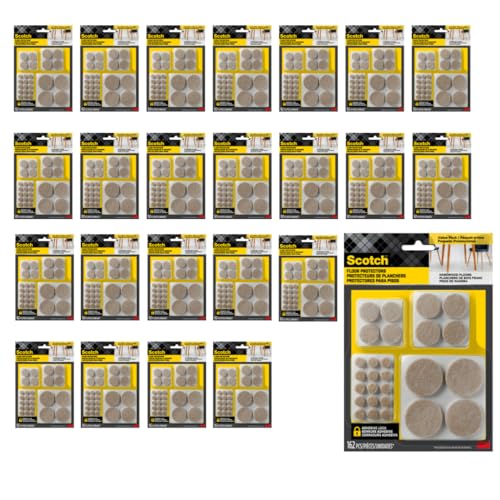
For optimal protection against scratches and noise, I recommend using high-quality cushioning materials on the base of your chairs and tables. Begin by selecting appropriate discs tailored to the size of your items; ensure they have strong adhesive qualities for lasting attachment.
Prepare the surface by cleaning it thoroughly with a damp cloth, removing any dust or oils. This guarantees a secure bond. Measure and mark the exact spots where you’ll apply the cushioning. This step enhances precision, leading to a neat and tidy application.
Carefully peel the backing off each disc and press it firmly onto the marked areas. For larger pieces, consider using multiple discs for added stability. After installation, allow some time for the adhesive to set before moving the furniture back into place. This simple yet effective method dramatically decreases the risk of damage to your floors.
Application of Soft Discs to Household Items
Before attaching the protective discs, ensure the surface is clean and dry to promote strong adhesion. I recommend wiping the bottom of each leg or corner with a damp cloth and allowing it to fully dry.
Next, remove the backing from the self-adhesive side of the soft circles. Align the center of the disk with the area of contact, ensuring that it covers any protruding edges. Gently press down firmly for about 10 seconds to secure it in place.
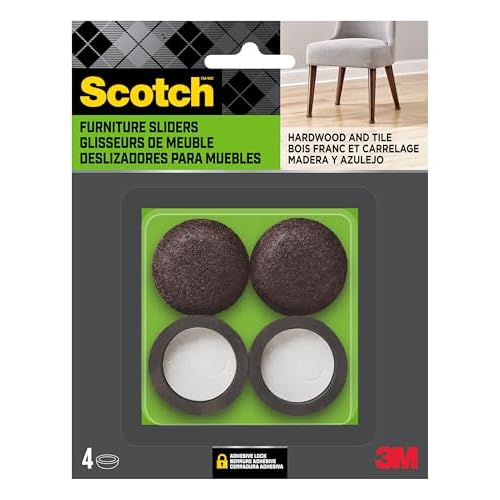

If your item has uneven legs, consider cutting the soft material into smaller pieces to achieve a better fit. This will enhance stability and prevent wobbling.
For heavier pieces, using additional adhesive may provide extra security. I often apply a bit of glue around the edges after attaching the disc, ensuring it remains firmly attached over time.
Finally, after installation, test the item by sliding it slightly to ensure the discs are functioning properly. Adjust them if necessary. Regularly check the pads for wear and replace them as needed to continue protecting both the surface beneath and the item itself.
Choosing the Right Size Felt Pads for Your Furniture
To ensure a proper fit, measure the leg or bottom surface of the piece being protected. It’s best to choose a protector that is slightly larger than the area to guarantee full coverage. This prevents damage and enhances stability.
Consider Shape and Design
For circular legs, select round protectors that match the diameter closely. For square or rectangular bases, opt for square or rectangular options, focusing on those that extend slightly beyond the edges for adequate protection.
Thickness Matters
Choose the thickness based on the weight and type of object being placed on top. Heavier items benefit from thicker options, while lighter ones can use thinner varieties. Assessing the load ensures durability and prevents wear over time.
Preparing Surfaces Before Application
Ensure the area is clean and dry. I use a soft cloth or paper towel with a mild cleaner to remove dust, dirt, and grease. This helps the adhesive bond effectively.
If the surface has any scratches or imperfections, I recommend smoothing them out with fine-grit sandpaper. This creates a uniform base for better adhesion.
For wood pieces, I like to check for any residual polish or wax. A residue can prevent proper attachment, so I typically wipe it down with a suitable solvent. Always let the surface dry completely before proceeding.
Assess the texture; if the surface feels uneven, a higher adhesive quality might be necessary to secure the backing. Testing a small area first can provide insights into how well the material sticks.
Pay attention to the size and weight of the item. Heavier pieces may require reinforcing the bond area by using multiple layers or larger disks for stability. Positioning also matters–locate the area that experiences the most contact with the floor.
Lastly, I ensure that I have all materials at hand–this includes various shapes and sizes of cushioning. Being ready makes the process smoother and more efficient.
Step-by-Step Guide to Applying Felt Pads
I begin by gathering my materials: clean cloth, scissors, and the cushioning discs. Once I have everything ready, I locate the surface on each piece of seating or tables where I will attach the cushioning discs.
<pNext, I clean the area thoroughly. I use a cloth dampened with mild soap and water to remove any dust or residue from the surface. After cleaning, I ensure it dries completely.
Then, I measure and cut the cushioning discs if necessary. I make sure the size matches the dimensions of the leg or bottom of the item, ensuring proper coverage without overhanging edges.
Once the cushioning discs are cut to size, I peel off the adhesive backing. It’s important to handle these carefully to avoid contamination on the sticky side.
Next, I align the adhesive side with the bottom of the leg or base. I press firmly to secure it in place for about 10-15 seconds. This ensures a strong bond and prevents any future peeling.
Finally, I inspect each piece to confirm that the cushioning discs are properly attached and secure. If needed, I adjust or add extra cushioning to areas that may require more protection.
Best Adhesive Techniques for Sticking Felt Pads
Choose high-quality double-sided tape for a quick and effective attachment. It provides a sturdy bond and allows for easy adjustments if needed. Ensure the surface is clean before applying the tape to maximize adhesion.
Using Hot Glue
For a more permanent solution, hot glue works exceptionally well. Apply a thin layer on the cushion, then press firmly onto the surface for a strong hold. Be cautious with the temperature to prevent damage to delicate surfaces.
Adhesive Backing Options
Many soft protectors come with adhesive backing already applied. Ensure the surface is dry and free of dust before pressing firmly. If extra strength is required, consider adding a small amount of craft glue to reinforce the bond.
Maintaining and Replacing Felt Pads Regularly
Regularly inspecting and swapping out protective discs can significantly enhance their performance. I recommend checking every few months for wear and tear. Signs that indicate it’s time for replacement include:
- Visible flattening or reduction in thickness.
- Adhesive failure causing them to come off.
- Scratches appearing beneath the supports where they’ve been attached.
To ensure optimal function, cleaning the surfaces first contributes to better adhesion and longevity. Dirt and grime can be detrimental, so a quick wipe with a suitable cleaner will prepare the area effectively.
When installing new protectors, following up with a gentle press ensures they are securely affixed. I prefer testing their adherence by applying slight pressure to check for stability after application.
Keeping a stock of replacements at hand is practical, allowing for prompt action when necessary. Consider the frequency of usage for different pieces; high-traffic items may require more frequent changes than those used less often.
By adhering to these practices, I can maintain both the aesthetics and functionality of my items, preventing damage and prolonging their lifespan.
Identifying Signs That Felt Pads Need Replacement
Routine inspection of protective coverings is crucial to maintain their effectiveness. Here are the primary indicators that it’s time for a change:
- Visible Wear and Tear: Check for fraying, thinning, or peeling edges. If the surface shows significant damage, replacement is necessary.
- Loss of Adhesion: If the disc becomes loose and does not adhere properly to the base of the leg, it can no longer provide adequate protection.
- Scratches on Floors: Noticeable marks or scratches on the flooring surface indicate that the padding is no longer functioning correctly and must be renewed.
- Uneven Surfaces: A bumpy or uneven feel while moving the item can signal that the cushioning has worn down unevenly, necessitating attention.
- Color Changes: Fading or discoloration can suggest degradation due to wear or exposure, warranting replacement.
Regular Maintenance
Establishing a routine check every few months helps catch these signs early. Maintaining a supply of new discs allows for quick replacement when needed.
Benefits of Timely Replacement
Addressing these signs promptly not only preserves the appearance of your floors but also enhances the ease of moving items around your space, reducing strain on both the furniture and the surface underneath.
Common Mistakes to Avoid When Using Felt Pads
One major error is underestimating the importance of surface preparation. If the area is dusty or oily, adhesion weakens, leading to premature wear. Always clean surfaces thoroughly before applying any cushioning material.
Choosing the Wrong Size
Selecting a size that doesn’t match the dimensions of the legs or base can result in inadequate protection. It’s crucial to measure accurately and choose correctly–oversized or undersized options will not provide optimal results.
Ignoring Weight Variations
Not considering the weight and distribution on each piece may lead to damage. Heavy items require sturdier, denser options. Using lightweight solutions on heavy bases can cause them to compress or tear, resulting in scratches on the underlying surface.
| Error | Consequence | Tip |
|---|---|---|
| Poor Surface Preparation | Poor adhesion, decreased lifespan | Thoroughly clean area before application |
| Incorrect Sizing | Inadequate protection, slipping | Measure dimensions carefully |
| Neglecting Weight Considerations | Compression, surface damage | Choose products based on weight |
Lastly, I often see people failing to replace worn-out cushioning on time. Regular checks maintain effectiveness and prevent damage to flooring. Keeping track of wear can extend both the life of the protective layers and the surfaces beneath.