
 Caleb Turner
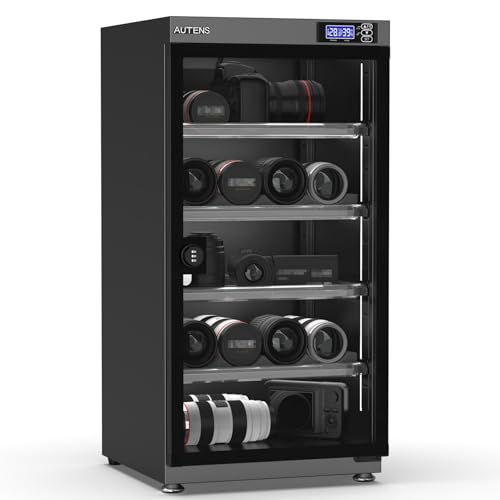
I recommend storing your wooden items in a climate-controlled space, where humidity levels are consistently maintained between 40% and 60%. This dampens the risk of warping or cracking.
Wrapping each piece in breathable materials like cotton or wool helps shield against sudden humidity shifts. Avoid plastic wraps, as they can trap moisture and lead to mold growth. Ensure that the items are elevated off the floor, using pallets or similar structures, to prevent contact with potential moisture sources.
Regularly check the humidity levels in your chosen area with a hygrometer, adjusting the environment as needed using humidifiers or dehumidifiers. Monitoring will further enhance the lifespan and beauty of your cherished pieces.


Measures Against Fluctuations in Environment During Packing
Wrapping each piece with breathable fabric like cotton or linen prevents moisture buildup. It maintains airflow while protecting surfaces from scratches or dust accumulation.
Location Matters
Choosing an ideal spot for packing is key. Avoid areas near windows or heating vents where direct sunlight or drafts may alter the ambient conditions. Instead, select a climate-controlled room or basement with stable humidity and temperature.
Use of Desiccants
Incorporating desiccants, such as silica gel packs, in sealed containers assists in moisture absorption. Regularly check and replace them to ensure they remain effective over time.
Utilizing furniture wax or polish before storage creates a protective layer, shielding surfaces from potential damage due to shifts in humidity. Regular maintenance yields longer-lasting results.
Consider removing hardware, such as knobs or hinges, to minimize wear and tear. Store them separately in labeled bags to facilitate reassembly while safeguarding the finish.
Lastly, assess the condition of each item periodically during storage, making minor adjustments or repairs as necessary. This proactive approach helps in maintaining the integrity of your articles in the long run.
Understanding the Impact of Temperature Fluctuations on Wood
Wood is hygroscopic, meaning it absorbs and releases moisture. As the surrounding environment shifts, its moisture content alters, leading to expansion or contraction. Keeping this in mind is crucial for maintaining the integrity of your pieces.
Key Factors Influencing Wood Behavior
Several factors come into play when considering how wood reacts to varying environments:
| Factor | Impact |
|---|---|
| Humidity Levels | High humidity causes the material to swell, while low humidity can lead to shrinkage. |
| Temperature Variance | Rapid fluctuations can stress the material, causing cracks or warping. |
| Type of Wood | Softwoods and hardwoods react differently; understanding this can guide choices in usage. |
Practical Steps to Minimize Damage
To mitigate risks associated with these fluctuations, consider the following:
- Utilize climate control systems to stabilize the environment.
- Store items away from direct sunlight to reduce extreme internal heating.
- Employ humidity monitors to keep track of moisture levels consistently.
Assessing these aspects helps ensure longevity and aesthetic appeal for treasured pieces.
Choosing the Right Storage Location for Wooden Furniture
Identify a space with stable temperature levels. Avoid basements and attics as they are prone to extreme variations. Opt for a climate-controlled environment to maintain consistent conditions year-round.
Avoid areas exposed to direct sunlight or high moisture. Sunlight causes fading and warping, while humidity can lead to mold growth or swelling. Select a room that is well-ventilated but not drafty, ensuring airflow without the risk of a chilly draft.
Elevation Matters
Keep items elevated off the ground. Place them on pallets or shelves to protect against potential flooding or dampness. This also aids in air circulation around the pieces, which is beneficial for long-term preservation.
Accessibility and Space
Ensure easy access to stored pieces. Arrange items so that they are not tightly packed. Allowing some space between them minimizes the risk of scratches or dents during movement. Group similar pieces to simplify retrieval while maintaining organization.
Choosing the right location is as crucial as the care given during handling. Settle on a spot that prioritizes stability, accessibility, and ventilation to ensure long-lasting integrity of your treasured items.
Using Climate-Controlled Storage Units
Investing in climate-controlled units is a smart choice to maintain the integrity of items made from cellulose material. These facilities maintain consistent humidity and temperature levels, mitigating the risk of warping, cracking, or splitting.
When selecting a unit, ensure it offers temperature regulation between 60°F and 75°F, paired with a humidity level around 40-60%. Such conditions can significantly reduce moisture-related issues.
Before moving items in, check for proper insulation in the facility. This will help keep temperatures stable even when outdoor conditions fluctuate. Additionally, choose a unit with air circulation systems to prevent stale air and musty odors, which can compromise the quality of stored goods.
Regular inspections of the unit for any signs of water leakage or pest activity are crucial. Keeping a written log of inspections can help track changes over time and ensure the environment remains conducive for storage.
Utilize protective covers to shield items from dust and debris. Opt for breathable covers that allow airflow while guarding against moisture build-up. Avoid plastic wraps that can trap humidity.
Finally, make use of shelving units to elevate items from the ground. This aids in preventing water damage in case of minor leaks and promotes ventilation around stored items. Adopting these practices fosters a safer and more reliable storage environment.
Insulating Wooden Furniture Against Temperature Variations
To minimize the impact of fluctuating conditions, I wrap pieces in breathable fabric, like cotton or muslin. This method prevents dust accumulation while allowing airflow, reducing moisture buildup.
Foam sheets or bubble wrap can be layered around edges, providing a cushion against sudden shifts. For larger items, I employ moving blankets, which not only offer thermal insulation but also protect surfaces from scratches and dings.
Using desiccants, such as silica gel packs, absorbs excess moisture in the vicinity. I strategically place these within enclosed spaces to maintain a balanced environment.
Another option includes sealing furniture using a high-quality wood wax or sealant. This measure not only enhances shine but also establishes a barrier against humidity that could lead to warping.
Finally, for long-term safeguarding, I recommend employing insulated storage bags. These specialized covers provide a barrier against both heat and cold, creating a more stable microclimate around each item.
Applying Protective Finishes to Wooden Surfaces
I recommend using oils, lacquers, or varnishes as finishes on timber to create a robust barrier against external influences. Start with a thorough cleaning of the surface to remove dust and grease, ensuring maximum adhesion of the product.
Choosing the Right Finish
Opt for penetrating oils, like tung or linseed oil, that hydrate and soak into the grain, offering a natural look while enhancing durability. Alternatively, polyurethane varnish provides a hard, glossy protective layer, making it suitable for surfaces exposed to wear and tear. Select based on the desired aesthetic and the expected environmental conditions.
Application Technique
Apply the chosen finish using a clean cloth or brush. For oils, work in small sections, allowing the wood to absorb the product before wiping off the excess after 15-30 minutes. For varnishes, use long, even strokes, ensuring no drips or puddles are formed. Allow ample drying time before applying additional coats, usually 24 hours, to build up an effective protective layer.
Regular maintenance is vital; reapply the finish every year or as needed, depending on exposure levels. This schedule helps maintain the integrity of the timber against fluctuating conditions.
Avoiding Direct Contact with Cold or Hot Surfaces
A minimum gap of 1-2 inches between the item and surfaces ensures the wood can breathe without absorbing extreme temperatures. This prevents thermal shock and moisture imbalance.
Suggested Measures
- Use wooden pallets or risers to elevate objects, creating space for airflow.
- Employ fabric pads or mats beneath items to buffer against heat and cold elements.
- Wrap delicate edges in soft materials such as blankets or bubble wrap for insulation.
Additional Tips
- Consider climate factors; don’t store near uninsulated walls or metal surfaces that conduct temperature.
- Choose storage units where the internal environment remains consistent.
- Regularly check surfaces for any signs of warping or damage caused by direct contact.
Utilizing Humidity Control Measures in Storage
Maintaining optimal moisture levels is crucial in preserving my antique pieces. To regulate humidity, I often use a combination of dehumidifiers and humidifiers, depending on the ambient conditions of the area. Monitoring the relative humidity with a hygrometer helps determine the proper adjustments needed.
- Dehumidifiers are particularly beneficial in damp environments. They extract excess moisture, preventing warping or mold development.
- Humidifiers are effective in overly dry spaces, ensuring that the wood retains necessary moisture content to avoid cracking.
I also place moisture absorbers, such as silica gel packs or activated charcoal, inside storage containers to assist with humidity control. These simple additions can significantly enhance the atmosphere around my cherished items.
An important consideration is the placement of plants nearby. While they can improve air quality, overwatering them can lead to increased humidity levels. I carefully manage any greenery around my stored belongings.
Engaging ventilation ensures constant air circulation. I avoid tightly sealed containers unless absolutely necessary, as stagnant air can lead to moisture buildup and related issues.
Installing ventilation systems or using fans in larger storage areas can provide additional airflow, further mitigating humidity risks. Regularly checking the state of my items allows for timely intervention if signs of moisture damage appear.
Regularly Inspecting Furniture Conditions During Storage
I recommend conducting inspections every few weeks. Check for signs of moisture, mold, or pests. Look closely at joints and seams, ensuring they remain intact. Use a flashlight to examine dark corners, which can be prone to issues.
Pay attention to surface condition. Any scratches or scuffs should be noted, as they can trap moisture and lead to further damage if untreated. Documenting conditions in a log helps track changes over time, making it easier to identify patterns or emerging problems.
Utilizing Your Senses
Trust your senses during inspections. A musty smell might indicate mold presence, while unusual textures can suggest deterioration. Consider keeping a humidity meter nearby to monitor levels, as extremes can affect integrity.
Immediate Action on Findings
Act promptly on any findings. Clean any signs of dirt or moisture using appropriate methods for each finish. Address pest issues using safe deterrents or seek professional assistance if the infestation is severe. Addressing problems early can prevent larger repairs down the line.
Safely Wrapping and Storing Wooden Pieces
Using breathable materials such as cotton or linen for wrapping is crucial. This prevents moisture buildup while providing a soft barrier against scratches. I prefer to avoid plastic wraps entirely, as they trap humidity and promote mold growth.
Utilizing corner protectors is advisable for safeguarding edges during transit and while stacked. I find that cardboard or foam corner guards work well in minimizing potential damage.
Placing a layer of sheets or blankets beneath and over each piece offers added cushioning. This method absorbs shocks and provides an additional layer of protection. Additionally, I ensure that there is a separation between each item to avoid any direct contact that may lead to scratches.
When packing, I choose sturdy boxes that allow slight movement of each item, further reducing the risk of impact damage. Secure the boxes with tape, but don’t over-tighten; I leave enough space for air circulation, which is key for maintaining ideal conditions.
Labeling each box with details of its contents helps prevent unnecessary handling. I also store smaller items in clearly marked, labeled containers to avoid mingling and potential loss.
Finally, regular checks on the condition of wrapped pieces is necessary. I schedule periodic inspections to ensure no moisture or pest issues develop during the time they’re kept. This proactive step can save significant headaches later on.


