Caleb Turner

Consider using protective slipcovers on your couches and chairs. These can be easily removed and washed, keeping the upholstery in excellent condition. Opt for materials that are resistant to scratches, like synthetic blends, which can withstand more wear than traditional fabrics.
Investing in scratching posts is crucial. Place them in areas where your pet tends to scratch the most. Encourage your feline to use them by applying catnip or using toys to attract their attention. This diversion can significantly reduce damage to your prized pieces.
Regular nail trimming can make a noticeable difference. Shorter nails are less likely to cause harm to surfaces and can greatly reduce the impacts of playtime. Establish a grooming routine that makes this process easier for both you and your furry friend.
Using sprays designed to deter scratching can provide an additional layer of defense. These are typically non-toxic but effective at making certain areas less appealing to claw at. Test these products in a small area first to ensure they don’t alter the appearance of your items.
Lastly, encourage positive reinforcement. Whenever your pet uses the designated scratching area or a post instead of your belongings, reward them with treats or praise. This promotes desirable behavior and helps create a more harmonious living space.


Protecting Your Belongings from Sharp Nails
Consider using scratching posts made of sisal or cardboard, which can divert interest from surfaces. Placing these at strategic locations encourages alternative scratching behavior.
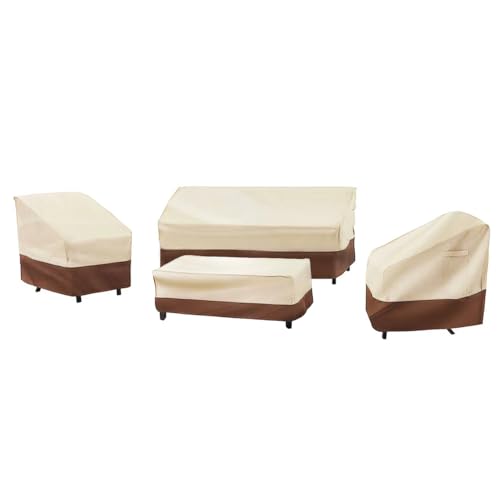
Employing furniture covers is another useful strategy. Opt for durable materials that are not easily damaged, such as canvas or faux leather, to shield against scratches.
Invest in double-sided tape designed for this purpose; applying it to vulnerable areas can deter scratching while providing a tactile unpleasantness that is repellent to many felines.
Regular nail trimming can significantly reduce the risk of harm to items. Maintaining a consistent grooming schedule ensures that claws remain short and less likely to cause damage.
Additionally, using deterrent sprays that contain scents unpleasant to cats may create a barrier around cherished possessions. Ensure formulations are safe and non-toxic.
Lastly, engaging in playtime with interactive toys can help satisfy their natural instincts, making furniture less appealing as a target for clawing.
Selecting the Right Furniture Materials
Choosing fabrics and finishes that withstand scratches and damage is crucial. I recommend opting for textures that are more resilient, like synthetic blends or tightly woven fabrics, as they tend to be more durable against accidental punctures.
Some excellent choices include:
| Material | Durability | Maintenance |
|---|---|---|
| Microfiber | Highly resistant | Easy to clean |
| Canvas | Robust | Machine washable |
| Pleather (PU leather) | Scratch-resistant | Wipe clean |
| Denim | Strong and long-lasting | Washable |
For wooden pieces, select hardwoods like oak or maple, known for their strength. A finish with a protective coating or a natural lacquer adds an extra layer of defense.
Softer fabrics like velvet or linen should be avoided, as they tend to be more susceptible to damage. Being selective with upholstery ensures longevity while maintaining a stylish appearance.
Using Furniture Covers and Throws
I recommend utilizing protective covers and throws to create a barrier against damage. These items are available in various materials, colors, and patterns, allowing for an easy integration with existing decor.
Opt for machine-washable fabrics for convenience. This ensures effortless maintenance, especially with spills or stains. Look for tightly woven materials that offer durability and resistance to wear.
Consider using slipcovers specifically designed for sofas and chairs. They can fit snugly or be adjustable, providing extra safety while enhancing the aesthetic appeal. Either way, they act as an extra shield.
Cotton and linen are breathable options that can withstand daily use while offering comfort. Incorporate throws made from microfiber or synthetic blends; these can withstand sharpening and scratching while being easy to wash.
Layering throws on seating areas not only adds style but also serves as an extra deterrent against potential scratches. A strategically placed throw can minimize damage and keep the surface looking fresh.
Finally, selecting contrasting colors can serve a dual purpose: it allows for a stylish accent while cleverly hiding any minor imperfections. This approach maintains the overall visual appeal while ensuring longevity.
Implementing Cat Scratch Deterrents
Utilize double-sided tape on surfaces to deter scratching. Cats dislike the sticky texture, making it less appealing for them to dig their nails into. This method can be applied to areas where they typically scratch.
Consider placing citrus-scented sprays on furniture. The scent is unappealing to felines and can help to keep them away from targeted spots. Regularly reapply to maintain effectiveness.
Designate a scratching post nearby. Encourage interaction by using catnip or toys to draw attention away from your possessions. The investment in high-quality posts provides an alternative for their scratching instincts.
Employ motion-activated pet deterrents. These devices emit sounds or bursts of air when a cat approaches, providing a surprising experience that teaches them to avoid certain areas.
Adjust the environment with strategic placement of barriers. Utilize furniture arrangements or decorative items as physical obstructions to limit access to tempting surfaces.
Incorporate distraction techniques such as providing interactive toys. Keeping felines engaged with puzzle toys can reduce the urge to scratch inappropriate objects.
Training Your Cat to Use Scratching Posts
I found that introducing a scratching post requires consistency and patience. Begin by placing the post in an area where the feline likes to scratch. This helps associate the post with a familiar environment. Choosing a sturdy design with different textures keeps their interest piqued.
Each time I see my pet using the post, I reward them with a treat. Positive reinforcement is powerful; it encourages continued use. Additionally, I often use toys or catnip to make the post appealing. Sprinkling some catnip can stimulate their curiosity and draw them toward the designated area.
If my furry friend scratches elsewhere, I gently redirect them to the post. It’s crucial to avoid punishment, as it can create anxiety. Instead, I remain calm and guide them back to the scratching post.
I rotate posts occasionally to maintain novelty. Different shapes and styles can prevent boredom, keeping their scratching behaviors focused on appropriate targets. Fabric choices should also vary; sisal, carpet, and cardboard provide a range of tactile experiences that appeal to different preferences.
I make sure to showcase the benefits of using the scratching post. When my pet feels the satisfaction of scratching, it helps them keep their claws healthy and releases pent-up energy. This benefits both the feline and my living space.
With persistence, I’ve seen great improvements in their habits, leading to a more harmonious coexistence.
Applying Protective Furniture Finishes
Opt for specialized coatings designed to withstand abrasion, such as polyurethane or epoxy finishes. These products create a robust barrier against scratches and damage.
Here are key steps to follow:
- Clean the surface thoroughly before application to ensure optimal adhesion.
- Choose a finish that suits the material of your item–oil-based for wooden pieces, clear sealers for fabrics.
- Apply multiple thin layers instead of one thick coat, allowing each layer to dry properly.
Periodic reapplication is advisable. Monitor for wear and touch up as necessary to maintain the integrity of the surface.
For additional resistance, consider using soft, cushioned pads or felt underlayments on the legs of chairs and tables, which can absorb impact and minimize scratching on the surface.
Always follow manufacturer instructions for products, ensuring the longevity of the protective measures taken.
Regularly Maintaining Your Furniture
Consistent upkeep of surfaces ensures long-term durability and aesthetic appeal. I regularly vacuum and dust to remove debris that can wear down fabric or finishes. For wooden items, I apply a specialized cleaner every few months to maintain the natural luster while preventing scratches.
Evaluating joints and fittings is crucial; I check for any looseness and tighten screws or bolts as necessary. This simple measure prevents structural damage over time and keeps pieces stable.
Additionally, I inspect upholstery for wear frequently. Small tears or frays are easier to address early. Using a fabric repair kit can extend the life of a favorite piece without needing costly replacements.
Cleaning stains immediately helps avoid permanent marks. I keep appropriate cleaning supplies at hand, ensuring swift action on spills. This habit not only maintains appearance but also enhances hygiene.
Regularly rotating cushions can prevent uneven wear. I make it a practice to switch them every few months, which helps distribute pressure and keeps seating consistent.
Lastly, conditioning leather surfaces is part of my routine. Using a quality conditioner every six months protects against cracking and fading, ensuring the item looks its best for years to come.
Creating a Cat-Friendly Environment
Incorporate vertical space to enhance exploration opportunities. Cat trees or shelves placed at various heights give your feline a venue for climbing and observing their surroundings, reducing the urge to claw surfaces.
Provide Alternative Scratching Surfaces
Ensure access to diverse scratching materials like sisal, cardboard, and carpet. Position these near the areas where scratching occurs. Experimenting with different textures can help identify what your kitty prefers.
Enrichment Through Play
Stimulate engagement with interactive toys that mimic prey. Rotate toys regularly to maintain interest, as boredom can lead to unwanted behaviors. Engaging in daily playtime can also channel energy away from damaging surfaces.
Designate quiet, cozy spots with soft bedding for rest. Cats often seek comfort when they feel stressed; providing a tranquil retreat can reduce their need to scratch furniture as a coping mechanism.
Consider using pheromone diffusers to create a calming atmosphere. These products can help reduce anxiety, which may lead to clawing. Observing your pet’s behavior will assist in understanding their unique preferences and needs.