
 Caleb Turner
Applying a high-quality sealant is the most reliable step to ensure longevity for your exterior wood items. Choose a penetrating oil finish or a clear water-repellent sealant specifically designed for porous materials. Make sure the surface is clean and dry before application, allowing the product to fully absorb into the fibers for maximum durability.
Regular maintenance, including cleaning with a soft brush or cloth, helps to prevent mold and mildew buildup. I avoid using harsh chemicals that can damage the natural fibers. Instead, I prefer a mixture of mild soap and water, ensuring to rinse thoroughly before applying any protective layers.


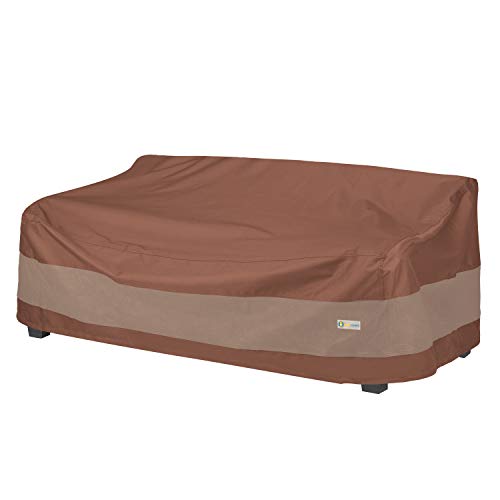
During harsh seasons, it’s advisable to cover or store these items in a sheltered area whenever possible. Investing in quality covers made from breathable fabric can shield against moisture accumulation, which is a common issue with outdoor exposure. This adds an extra layer of defense against unexpected rain or intense sun.
Maintenance Tips for Protecting Wooden Outdoor Items
I recommend regularly applying a high-quality sealant to the surfaces of your garden seating and tables. A good sealant not only creates a barrier against moisture but also enhances the natural grain of the timber. Aim for a product designed specifically for your type of material, and follow the manufacturer’s guidelines for application to ensure maximum durability.
Choosing the Right Location
Positioning is key. Whenever possible, place seating away from direct exposure to the elements, like under a patio or large umbrella. This not only minimizes damage from sun and rain but also reduces maintenance needs. If suitable shelter isn’t available, consider using protective tarps during adverse conditions.
Regular Cleaning Schedule
Implement a consistent cleaning routine using a soft bristle brush or a damp cloth to remove dirt and debris. Avoid power washing, as high-pressure water can damage the finish. Look for eco-friendly soap solutions that won’t harm the wood’s integrity and rinse thoroughly afterward.
Consider applying a protective coating every few months, especially before transitional seasons. This may involve sanding any rough spots to ensure a smooth application for a protective finish.
Periodically inspect for signs of wear or damage such as splintering or discoloration. Prompt repairs will prolong the lifespan of your outdoor items and maintain their aesthetic appeal.
Select the Right Type of Wood for Outdoor Furniture
The choice of timber directly impacts longevity and resistance to environmental factors. I recommend considering teak, cedar, and redwood as prime options. These types naturally possess oils that repel moisture and resist decay, making them ideal for exposure to rain and humidity.
Teak
Teak stands out due to its exceptional durability and natural resistance to insects and fungal growth. Its high oil content protects against moisture absorption, ensuring that the surface remains intact even in challenging conditions. Moreover, its rich color and grain build character over time, enhancing visual appeal.
Cedar and Redwood
Cedar and redwood are excellent contenders, known for their lightweight properties and resistance to warping. Their aromatic oils not only deter decay but also prevent insect infestations. While they tend to be less dense than teak, they offer ease of handling and maintenance, making them favorable for those seeking both beauty and utility.
Choosing the appropriate type of timber creates a strong foundation for maintaining your outdoor pieces, enhancing their lifespan in variable climates. Always prioritize materials with natural resistance qualities to minimize maintenance needs over time.
Apply Weather-Resistant Finish to Preserve Wood
To ensure longevity, I recommend using a high-quality weather-resistant finish. Look for options specifically designed for exterior applications such as marine varnish or exterior-grade polyurethane. These finishes create a protective barrier against moisture and UV rays.
Before applying, clean the surface thoroughly to remove dirt, grease, or old coatings. Sand lightly to create a good bonding surface when applying the finish. This step significantly enhances adherence and results in a smoother final appearance.
Apply the finish in thin, even coats using a brush or spray, making sure to cover all surfaces, including the undersides. I often apply at least two to three coats, allowing adequate drying time between applications.
For reapplication, I monitor the finish’s condition regularly. When I notice signs of wear or fading, I lightly sand the surface and apply another coat to maintain the protective layer. This practice keeps the surface looking fresh and functional over time.
Use Covers for Extra Protection During Rain and Snow
Investing in high-quality covers is a practical strategy. Selecting covers made of waterproof materials ensures maximum resistance to moisture. Additionally, opt for breathable fabrics to prevent condensation build-up underneath. Custom-fit options provide snug coverage and prevent wind from displacing them.
When anticipating heavy rain or snowfall, I recommend securing the covers properly. Using straps or ties will keep the cover firmly in place, even in gusty conditions. Ensure that the covers have vents to facilitate air circulation, minimizing the risk of mold and mildew growth.
Regularly inspect the covers for any signs of wear and tear. Replace damaged covers promptly to maintain their protective qualities. Keeping the covers clean helps them last longer; I use a mild detergent and water for maintenance.
Consider investing in reflective options that can shield against UV rays when sunlight is abundant. This will aid in sustaining the color and texture of the surface beneath, prolonging its lifespan significantly.
Regularly Clean and Maintain Your Outdoor Furniture
To extend the lifespan of your exterior seating, I recommend cleaning it on a regular basis. Dust, dirt, and grime can accumulate, leading to deterioration. Use a soft brush or a cloth with mild soap and water to wipe surfaces, ensuring to reach crevices where debris often gathers. Rinse thoroughly with clean water to remove any soap residue.
After cleaning, check for signs of wear such as fading, cracking, or peeling. If I notice any unevenness in the finish, I lightly sand the affected areas before reapplying a weather-resistant sealant. This step reduces further damage and enhances durability.
Additionally, I suggest inspecting the hardware, such as screws and hinges, to ensure they remain tight and rust-free. Lubricate moving parts with a silicone-based spray to maintain smooth operation. Regular maintenance like this prevents minor issues from escalating.
Once a season, I conduct a more thorough inspection, focusing on structural integrity. If any instability is detected, I either tighten joints or replace damaged components immediately. This proactive approach minimizes the need for extensive repairs down the line.
Choose Appropriate Location to Minimize Weather Impact
Selecting the right spot for your outdoor items can significantly extend their lifespan. Consider placing them on a patio or deck that has overhead protection, such as an awning or pergola. This shield can reduce direct exposure to sunlight and rain.
Evaluate Sunlight and Shade
Identify areas that receive ample shade throughout the day. Position items where they will not endure intense sunlight for prolonged periods, as UV rays can cause fading and degradation. Positioning away from reflective surfaces also helps mitigate heat exposure.
Proximity to Elements
Check the distance from trees and shrubs, which can drop leaves, sap, or branches. Keeping them a safe distance reduces the risk of damage from falling debris. Drainage is also vital; ensure water does not collect in the vicinity, as standing water can be detrimental.
Lastly, consider the wind direction. Avoid locations where strong winds can whip across the space, potentially causing wear and tear. Understanding these factors will lead to an optimal arrangement that ensures longevity and reduces maintenance needs.
Implement a Routine for Inspecting for Damage
Establish a consistent schedule for evaluating your outdoor pieces. I conduct these inspections at least once a month during the warmer months and every two months in colder seasons. This ensures that potential issues are identified early.
Key Areas to Examine
- Surface Cracks: Look for any splits or cracks in the finish that could lead to moisture penetration.
- Joinery: Check the joints and connections for looseness or signs of wear, as this can compromise stability.
- Signs of Mold or Mildew: Inspect for discoloration, which indicates moisture issues that need addressing.
What to Do if Damage is Found
- Surface Repairs: For minor cracks, I use wood filler followed by sanding and re-finishing.
- Joint Reinforcement: Tightening screws or using wood glue can often remedy loose connections.
- Preemptive Measures: If mold is present, clean the affected area with a mixture of water and vinegar before applying a protective finish.
Regular monitoring not only maintains the aesthetic appeal but also prolongs the lifespan of each piece. By creating a checklist and adhering to it, I can ensure that these items remain in excellent condition throughout the seasons.
Consider Using Moisture Barriers to Prevent Wood Rot
Installing moisture barriers is a key step in safeguarding your furnishings against decay. These barriers inhibit water from penetrating the wood by creating a protective layer.
Here are some effective options to consider:
- Plastic Sheeting: Use heavy-duty polyethylene sheets beneath your structure. This helps direct moisture away from the surfaces.
- Sealants: Apply high-quality silicone or epoxy sealants to join seams and edges, sealing any gaps that may allow moisture infiltration.
- Vapor Barriers: Employ vapor barriers for areas where humidity is high. Installing these can significantly reduce the chance of condensation forming on your furnishings.
- Drainage Mats: Utilize drainage mats or grids under your seating and tables. These allow air circulation while preventing direct contact with wet ground.
To enhance durability, combine barrier methods with regular inspections and maintenance routines. Ensure that any barrier is intact and replace it as needed to maintain its effectiveness.
Store Furniture Indoors During Harsh Weather Conditions
To ensure the longevity of your garden pieces, I recommend relocating them indoors during severe climatic events. This simple yet effective strategy minimizes exposure to rain, snow, and extreme temperatures, reducing the risk of damage significantly.
Optimal Storage Solutions
When bringing these items inside, choose a dry, well-ventilated space. A garage, shed, or basement can serve as good options. Avoid storing them in damp areas, as this can result in moisture accumulation and promote deterioration.
| Storage Option | Pros | Cons |
|---|---|---|
| Garage | Good ventilation, easy access | Limited space, potential for temperature fluctuations |
| Shed | Additional protection, organized storage | Can be humid, depending on materials |
| Basement | Stable temperature | High humidity risk, requires monitoring |
Preparing for Storage
Prior to storage, clean each piece thoroughly to eliminate dirt and grime. Inspect for any signs of wear or damage and address as necessary. Applying a protective coating before storage can also provide an extra layer of defense against potential harm while they are stored away.
FAQ:
What types of weather can damage outdoor wood furniture?
Outdoor wood furniture is most vulnerable to extreme weather conditions. Rain can penetrate the wood, leading to mold and rot. Snow and ice can cause the wood to crack and split. Direct sunlight can dry out the wood, causing it to fade and lose its natural oils. High humidity can make the wood swell and eventually warp. Each of these weather factors can significantly shorten the lifespan of your outdoor furniture, making proper protection essential.
How can I properly treat my outdoor wood furniture to withstand the elements?
To protect your outdoor wood furniture, begin by choosing a high-quality wood preservative. Apply it according to the manufacturer’s instructions, ensuring complete coverage. This treatment creates a barrier against moisture and harmful UV rays. Additionally, consider using a sealant specifically designed for outdoor use. This will enhance the furniture’s durability. Regular maintenance, including reapplying the preservative every year or two, will ensure that your furniture remains in good condition and can withstand the changing weather conditions.
Is it necessary to cover outdoor wood furniture during winter months?
Yes, covering your outdoor wood furniture during winter is highly advisable. Snow and ice accumulation can lead to significant damage, including moisture intrusion and freezing. A weatherproof cover will shield the furniture from harsh elements. If it’s not feasible to cover it, move the furniture to a sheltered area, such as a garage or shed, if possible. This proactive approach will extend the furniture’s lifespan and maintain its appearance.
What are some natural products I can use to protect my outdoor wood furniture?
For a more natural approach to protecting your outdoor wood furniture, consider using oils like teak oil or tung oil. These products nourish the wood and provide a degree of waterproofing. Beeswax can also be applied as a protective coating that repels water. However, keep in mind that natural oils may require more frequent reapplication compared to synthetic sealants. It’s always a good practice to test any product on a small area first to see how it reacts with the wood.


