
 Caleb Turner

Using protective covers is a straightforward way to keep your outside seating and tables safe from unsightly droppings. These covers create a barrier between your possessions and unwanted contaminants, minimizing the risk of stains or damage.
Regular maintenance also plays a key role. Wiping down surfaces with a soft cloth after noticing any signs of avian activity can prevent permanent marks. I use a mixture of mild soap and water for this purpose, ensuring that I don’t damage the finish.
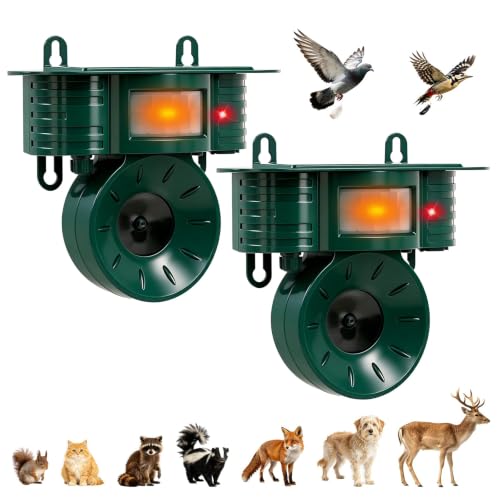
Consider placing decoys or visual deterrents nearby. Many birds tend to avoid areas where they perceive threats. Hanging reflective objects or using bird repellent devices might help reduce the frequency of visits to my patio.
Additionally, positioning seating away from trees or open areas can limit the chances of targets being chosen by flying visitors. It’s a simple yet effective layout strategy to minimize exposure.

Keeping Surfaces Clean
Regularly applying a protective cover serves as a first line of defense against unwanted splatters. Ensure you choose covers made from breathable materials to prevent moisture buildup, which can damage the underlying materials.
Opt for Deterrents
Using reflective objects like aluminum foil strips or old CDs can effectively deter feathered intruders. They create movement and light that birds tend to avoid. Additionally, consider installing decoys of predators, such as owls, to provide a psychological barrier for the visiting flocks.
Routine Maintenance
Cleansing surfaces frequently minimizes the chance of stains setting in. Utilize a mild soap solution and a soft cloth for gentle cleaning. Incorporating this task into your weekly routine ensures your items remain inviting and less appealing for avian visitors.
Choosing the Right Materials for Outdoor Seating
Select materials that resist staining and are easy to clean. For instance, aluminum, teak, and synthetic wicker are excellent choices due to their durability and low maintenance. Aluminum frames are lightweight and won’t rust, while teak offers natural oils that repel moisture and insects.
Wood Considerations
If opting for wood, I recommend treated hardwoods like acacia or eucalyptus. These types stand up well against weather impacts and minimize the chances of retaining stains. Regular sealing will enhance their longevity and aesthetics.
Fabric Selection
For cushions, choose fabrics designed for outdoor use, such as solution-dyed acrylic or polyester. These materials resist fading and are typically water- and stain-resistant, making cleanup straightforward. Look for removable covers for easier washing to keep everything fresh.
Using Covers to Shield Against Droppings
Investing in high-quality protective covers is one of the best strategies to prevent damage caused by unwanted waste. Make sure to choose covers that are weather-resistant and breathable to avoid mildew formation.
Material Selection
- Polyester: Lightweight and durable, this fabric repels water and resists fading.
- Vinyl: Offers excellent waterproofing and is easy to clean, making it ideal for humid conditions.
- Canvas: Thick and sturdy, canvas provides great durability and UV protection.
When selecting a cover, ensure it fits snugly to minimize wind interference. Most covers come with adjustable straps or buckles, allowing for a secure fit.
Maintenance Tips
- Regularly clean your covers to prevent dirt buildup and maintain their protective qualities.
- Check for tears or wear and replace them when necessary to ensure continuous protection.
- Store the covers properly during off-seasons to prolong their lifespan.
By using appropriate covers, you can significantly extend the life of your belongings and keep them looking fresh. Ensure they are easy to remove and replace, as this will encourage regular use.
Regular Cleaning Routines to Maintain Furniture
Establishing a consistent cleaning schedule is key to keeping my patio pieces in top condition. I typically clean them at least once a week, ensuring any accumulation is swiftly addressed. Adopting a few simple practices can make a significant difference.
First, I dust surfaces regularly to prevent debris build-up. A microfiber cloth works wonders in trapping dust without scratching the material. For stubborn dirt, I use a soft-bristle brush.
Next, I prepare a gentle cleaning solution using warm water mixed with a mild detergent. I dampen a cloth and wipe down all surfaces, paying special attention to crevices where contaminants may settle. After that, I rinse with clean water to avoid any soapy residue.
If I notice any stubborn spots, such as stains from wildlife droppings, I create a paste with baking soda and water. I apply this solution directly onto the stain and let it sit for a few minutes before scrubbing gently with a soft brush and rinsing thoroughly.
After cleaning, I always allow the pieces to dry completely before using or covering them. This helps prevent moisture buildup, which can lead to mold or mildew. For added protection, I also include a bi-weekly deep clean using a specialized cleaner suitable for the specific material.
| Cleaning Task | Frequency | Notes |
|---|---|---|
| Dusting | Weekly | Use microfiber cloth |
| Surface Cleaning | Weekly | Mild detergent solution |
| Stain Treatment | As needed | Baking soda paste for stubborn stains |
| Deep Cleaning | Bi-weekly | Material-specific cleaner |
These routines not only enhance the aesthetics but also extend the lifespan of my garden settings. Keeping a checklist of these tasks ensures that nothing falls through the cracks.
Implementing Deterrents to Keep Birds Away
Employ visual repellents such as reflective tape or shiny objects; these elements create a distracting effect, deterring birds from settling nearby. Hanging compact discs or aluminum foil strips can be effective as they catch light and produce movement, which disorients avian visitors.
Sound Deterrents
Introduce audio devices that mimic predator calls or use sonic deterrents that emit noise at frequencies uncomfortable for birds. Choose a location that allows sound to carry, making it less likely for birds to frequent your space.
Physical Barriers
Install nets or spikes in areas where birds tend to perch. These mechanisms create physical obstacles that prevent roosting. Opt for bird spikes on ledges or railings, ensuring they are humanely designed to avoid harm to wildlife.
Location Strategies to Minimize Bird Interference
Position seating areas strategically away from trees and ledges that serve as roosting spots. This simple adjustment can significantly reduce droppings landing on surfaces.
- Identify high-traffic flight paths of local avian species and avoid placing items in those zones.
- Utilize natural barriers, such as shrubs or fences, to create a shield between living spaces and nesting areas.
- Opt for open spaces where visibility helps discourage birds from using those areas.
Consider the sun’s trajectory throughout the day. Placing chairs and tables in shaded regions away from overhead branches is preferable since these spots attract less avian activity.
- Survey areas regularly for signs of nesting activities nearby.
- Engage with professionals who specialize in avian behavior to gain insights on environmental factors influencing local birds.
- Monitor weather patterns, as changes can affect bird migration and nesting habits.
Additionally, avoid using bright colors or shiny materials that may attract birds’ attention. Instead, choose muted, earthy tones that blend into the environment.
Repairing Damage from Previous Avian Contamination
To effectively restore items impacted by droppings, begin by assessing the extent of the damage. For minor stains, a gentle cleaning solution made from warm water and mild dish soap can effectively remove residue. Using a soft cloth, dab the area, ensuring not to scrub harshly to avoid further harm.
Deep Cleaning Techniques
If staining persists, consider using a mixture of vinegar and water. Combine equal parts vinegar and water in a spray bottle, apply it to the affected area, and let it sit for a few minutes. Follow this with a thorough wipe using a soft cloth. For more resilient areas, a delicate scrubbing with a soft-bristle brush can help lift any remaining debris.
Restoring Protective Finishes
After cleaning, it’s crucial to revitalize any protective coatings that may have been compromised. Depending on the material, apply an appropriate sealant or protective wax to restore its barrier against future contamination. Regular maintenance of these coatings will significantly prolong the life of the surfaces.


