Caleb Turner
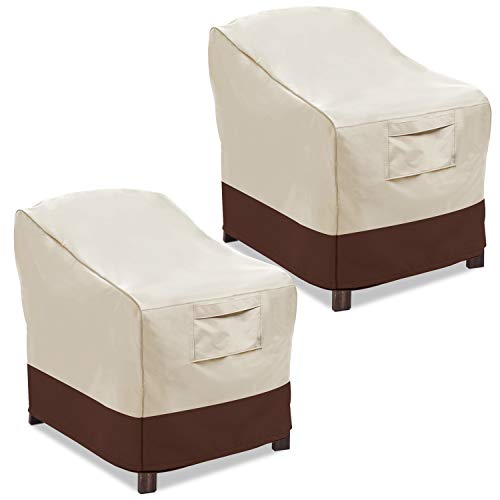
Utilizing protective covers is a straightforward way to safeguard your seating and tables. These seasonal shields not only ward off moisture but also shield against dust and debris. Make it a routine to cover items when they’re not in use, especially during inclement weather.
Choosing materials designed for outdoor use can significantly reduce wear caused by humidity and temperature changes. Look for textiles specifically labeled as weather-resistant or UV-protected. This consideration extends the lifespan of your items while maintaining their aesthetics.
A hierarchal arrangement of furniture can yield practical advantages. Position larger pieces away from possible entry points for rain or snow, while smaller items can be strategically placed to maximize airflow and decrease moisture retention. Regular inspection and maintenance of these arrangements will further ensure that your space remains inviting and intact.
Employing natural barriers, such as potted plants or lattices, can enhance protection while adding a decorative touch. These elements create a buffer against external elements, contributing to the overall resilience of your living space.
Care for Items on a Covered Outdoor Space
I recommend using outdoor-grade materials when selecting seating and tables. Fabrics made from acrylic or polyester are resistant to fading and moisture. Check for UV protection, which extends the life of colors and prevents them from deteriorating in sunlight.


<p.Add a protective layer by utilizing slipcovers. These can easily be removed and washed, safeguarding the upholstery underneath. It’s beneficial to opt for machine-washable options, making maintenance straightforward.
<p.For wooden pieces, a high-quality sealant acts as a barrier against humidity and sunlight. I apply a protective oil or wax regularly to maintain gloss and prevent cracking. Many products are available, offering different finishes to match personal style preferences.
<p.To eliminate potential wear from dust and dirt, consider establishing a cleaning routine. Regularly wipe surfaces with a soft cloth; this avoids buildup that could scratch or stain. Using coasters and placemats prevents ring marks and heat damage.
<p.Additional support for comfort and longevity comes from utilizing cushions with moisture-resistant properties. I choose cushions with removable covers, allowing for easier cleaning if spills occur.
<p.When winter approaches, storing delicate items indoors is wise. If relocation isn't possible, protective tarps provide a barrier against cold and moisture. Ensure ventilation to reduce condensation within any covering.
<p.Lastly, assess the layout of the area. Positioning items strategically, away from direct exposure to elements, extends their lifespan. I often avoid corners where water may accumulate, opting for elevated stands if necessary.
Choose the Right Materials for Outdoor Seating
Opting for materials that withstand outdoor conditions significantly enhances longevity. I recommend aluminum, teak, and synthetic wicker for their resistance to weather extremes.
Material Guide
| Material | Durability | Maintenance | Cost |
|---|---|---|---|
| Aluminum | High | Low | Moderate |
| Teak | Very High | Moderate | High |
| Synthetic Wicker | High | Low | Moderate |
Additional Considerations
For cushions, select fade-resistant fabrics like solution-dyed acrylic for added protection against moisture and UV light. Polypropylene is another excellent choice due to its water-resistant properties.
Using high-quality materials not only enhances aesthetic appeal but also contributes significantly to durability. Always check specifications before making a purchase to ensure it meets environmental demands.
Use Protective Covers When Not in Use
I recommend investing in high-quality protective covers for your seating and tables. These covers shield surfaces from dust, moisture, and UV rays, significantly extending their lifespan. Ensure that the covers you choose are breathable to prevent mold and mildew accumulation underneath.
When selecting a cover, opt for weather-resistant materials like polyester or vinyl, which provide a strong barrier against precipitation. Additionally, consider choosing covers with securing straps or weights to prevent them from being blown away during windy conditions.
It’s helpful to regularly check the condition of your covers and clean them as needed. A simple rinse with water and mild soap can maintain their integrity. Always make sure to dry them completely before placing them back over your items to avoid trapping moisture.
Store covers properly during the off-season, ideally in a dry, cool place to prevent any deterioration. This small step ensures they remain in good condition for future use, offering peace of mind whenever your outdoor living space is unoccupied.
Implement a Regular Cleaning Routine
Establishing a consistent cleaning schedule is fundamental. I recommend weekly cleanings, focusing on dust and debris accumulation, which can attract moisture and pests.
For surfaces, use a soft cloth and a gentle cleaner suitable for the specific materials. Avoid abrasive cleaners that could cause scratches. Periodically check for mold or mildew; if found, using a mixture of vinegar and water can be effective in eliminating it.
Don’t overlook the corners and areas behind the seating and tables. These spots can accumulate dirt and grime, becoming a breeding ground for unwanted pests. Incorporating a sweep or vacuuming into your routine can enhance overall cleanliness.
Additionally, I keep a bottle of all-purpose cleaner and cloths readily available for quick spot cleaning, ensuring that any stains or spills are dealt with promptly. This minimizes the risk of permanent damage.
Lastly, consider seasonal deep cleans where I inspect all items thoroughly for wear and tear, treating each piece with appropriate care products to maintain their appearance and longevity.
Position Furniture Strategically to Avoid Damage
To minimize wear and tear, I always position items away from direct exposure to elements like wind and rain. Elevating pieces by placing them on raised platforms can increase airflow and prevent moisture buildup.
Create Zones
- Establish specific areas for lounging and dining.
- Keep seating arrangements close to support conversations while ensuring ample space for movement.
- Consider the direction of sunlight when placing chairs and tables to avoid excessive fading.
Utilize Windbreaks
- Incorporate natural barriers such as plants to deflect gusts.
- Use screens or shutters to shield against strong winds and unexpected weather changes.
- Avoid positioning items near open areas that can amplify exposure to elements.
Regularly evaluate the setup based on seasonal changes to adapt positioning accordingly. Keeping these strategies in mind has made a significant difference in maintaining the aesthetics and functionality of my outdoor seating arrangements.
Add UV Protection to Prevent Fading
I recommend applying a high-quality UV protectant to all exterior surfaces. Look for products specifically designed for outdoor materials, as they form a barrier that blocks harmful rays. Regularly reapply this protectant according to the manufacturer’s instructions; some require application every few months, while others may last up to a year.
Additionally, consider using window films or UV-blocking shades to reduce direct sunlight exposure in enclosed areas. These can significantly lower the intensity of UV rays that reach your belongings. By carefully choosing specific treatments and products, I ensure that colors remain intact, preventing the unattractive fading that can occur over time.
For wooden items, a UV-resistant finish or sealant will extend their lifespan and maintain their appearance. Always check that the product is compatible with the wood type before use to ensure effectiveness.
Consider Weather-Resistant Paints and Finishes
Applying weather-resistant coatings can significantly enhance durability. Select high-quality outdoor paints or finishes specifically designed for exterior applications. These products tend to have superior adhesion and flexibility, which protect surfaces from moisture and prevent peeling.
- Topcoat Options: Look for finishes labeled as marine-grade or exterior-rated for optimal weather resilience.
- UV Protection: Choose paints with built-in UV blockers to minimize sun damage, preserving color and sheen over time.
- Water Repellency: Consider clear sealants that repel water, reducing the risk of mold and mildew.
Applying multiple thin coats of paint or finish enhances protection. Allow adequate drying time between layers to ensure maximum durability. Regularly inspect and maintain the application to extend longevity.
Incorporating these coatings creates a robust barrier against the elements and helps maintain a pristine appearance throughout the seasons.
Store Indoors During Severe Weather
When severe weather is approaching, I always make it a priority to bring my outdoor seating and accessories inside. Strong winds, heavy rain, or hail can cause significant damage, making indoor storage a smart choice.
Identifying Secure Storage Locations
My garage or basement serves as a great storage area, as they offer protection from the elements. It’s important to ensure the space is dry and free from moisture to avoid mold or rust.
Preparing for Storage
Before moving items indoors, I wipe them down to remove dirt and debris. If possible, I stack removable cushions and pillows in waterproof containers for added protection. It also helps to disassemble larger pieces, if feasible, to save space and prevent any potential damage during the move.