
 Caleb Turner
Begin by utilizing drop cloths or plastic sheeting to shield surfaces from dust and debris. These materials are lightweight and easy to move, providing a quick solution to cover items that might be vulnerable to staining or scratches.
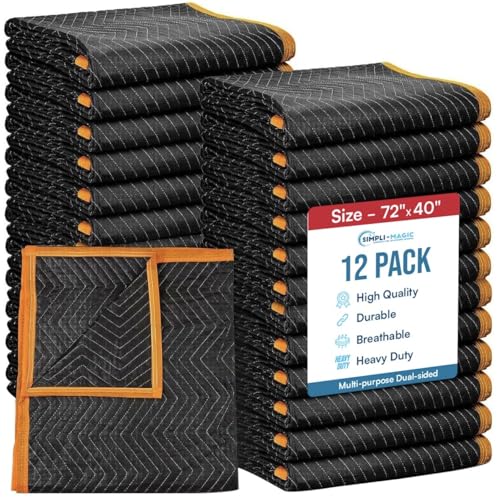
Invest in high-quality moving blankets or thick towels for larger pieces. Wrapping each item securely not only prevents physical damage but also absorbs impacts from surrounding activities. Secure the coverings with tape or ties to ensure they stay in place.
Clear the area of smaller items and decorations prior to commencing any project. This reduces the risk of accidental damage and allows for more space to work efficiently. Utilize storage bins or boxes to keep these belongings organized and out of harm’s way.
Consider using protective corner guards on edges of tables and other furniture that might be subjected to bumps or scrapes. These affordable additions can be a simple yet effective way to maintain the integrity of your possessions.



Safeguarding Your Belongings from Dust and Damage
I recommend using plastic sheeting to cover items that are more challenging to relocate. This barrier prevents dust and debris from settling. Secure the edges with tape to ensure a snug fit, minimizing any potential for exposure.
Utilize Furniture Covers
Invest in high-quality furniture covers, particularly those designed for construction scenarios. These covers are usually thicker and more resistant to wear and tear. They can withstand accidental impacts and shield against paint splatters, providing an additional layer of defense.
Relocate Whenever Possible
If space allows, moving larger pieces to another room or area entirely offers the best safeguard against mess and damage. Consider clearing out smaller items and storing them in a managed environment to alleviate the risk of accidental harm.
Assessing Furniture for Protection Needs
I evaluate each piece, taking into account its material, age, and condition. For delicate items like antiques or upholstered chairs, I prefer wrapping them in soft blankets or specific covers designed to avoid scratches and dust accumulation.
For wood surfaces, I assess for existing finishes. Any exposed areas may require additional layers of protective coatings to shield against paint spills or accidental hammer strikes. Transparent plastic sheets also work well for preventing dust and debris from settling on surfaces.
For larger items, I measure the space to ensure I can safely move them without risk of scrapes. If necessary, I disassemble modular pieces, which simplifies transport and further minimizes potential damage.
I also consider high-traffic areas in the vicinity. Placing furniture away from pathways reduces the chance of accidental bumps and scrapes. Additionally, I cover floors with tarps or protective sheeting to prevent sliding and subsequent scratches.
Finally, I document my assessments to keep track of what needs special attention, ensuring everything withstands the chaos of the upcoming work.
Choosing the Right Protective Materials
Select high-quality coverings to shield your belongings from dust, scratches, and moisture. Look for options like heavy-duty moving blankets and durable plastic sheeting, which offer reliable defense against potential damage.
Types of Materials
- Bubble Wrap: Excellent for cushioning fragile items. Wrap individual pieces to avoid impacts.
- Stretch Wrap: Ideal for securing layers of items together, preventing shifting during work.
- Moving Blankets: Thick and absorbent, these work well for larger surfaces and can guard against impact and dust.
- Plastic Sheeting: Effective in sealing off areas to minimize dust exposure and dampness, ensuring a cleaner environment.
Choosing Appropriate Thickness
Consider the thickness of materials based on the level of protection needed. Thicker options tend to provide better cushioning but may be bulkier to manage. For less fragile items, lighter materials can suffice.
Always test materials on small areas first to ensure compatibility with existing finishes. This step helps avoid any unwanted reactions or damage during the process.
Using multiple layers can enhance protection, especially for valuable or antique pieces. Combining different materials provides a customizable approach to safeguarding your belongings effectively.
Covering Upholstered Items Safely
To effectively shield upholstered seats and couches, I recommend utilizing specialized furniture covers. These products are designed with protective materials, ensuring they resist spills and dust. Choose a cover that fits snugly to prevent slipping and exposure to contaminants.
Before covering, I inspect every piece for vulnerabilities. Loose threads, worn-out seams, or damaged areas may require repair prior to placement of the cover. Ensuring a good condition will enhance the efficacy of the protection.
For added safety, I use breathable fabrics. This allows air circulation, preventing moisture buildup which can lead to mold or mildew. Invest in options that have water-resistant properties, making cleanup a breeze.
In the event of heavy-duty work, layering is beneficial. I often place a soft blanket or quilt beneath the cover for extra cushioning. This not only adds an additional layer of security but also minimizes potential for damage from objects that may fall or scrape.
Lastly, I avoid using materials that create static electricity; this can attract dust and dirt, diminishing the cover’s effectiveness. Always clean and maintain the covers as necessary, ensuring long-term protection for the upholstery beneath.
Preparing Wooden Items for Overhaul
Begin with a thorough cleaning of wooden pieces. Dust and dirt can interfere with any treatment or coating processes, so use a soft cloth and a gentle wood cleaner to eliminate debris.
Evaluate the condition of each piece. Look for scratches, dents, or water damage. Addressing these imperfections early can facilitate smoother refinishing or treatment later on.
- Sanding: Lightly sand the surfaces using fine-grit sandpaper. This step enhances adhesion for finishes and removes any existing imperfections.
- Sealing: Consider applying a wood sealer to protect raw surfaces. This step is especially important if you’re planning to stain or paint.
Empty any drawers and cabinets. This action minimizes weight on hinges and avoid potential dislocation during the project.
Utilizing furniture pads can help prevent scratches on the floor while moving items around. Place them under legs or corners before relocation.
Lastly, position your wooden belongings in a climate-controlled space if possible. Extreme temperatures or humidity fluctuations can cause warping or cracking.
Securing Accessories and Decorative Items
Wrap fragile pieces like vases and sculptures in bubble wrap or soft cloths to absorb shocks. Ensure they are placed in sturdy boxes with cushioning materials, such as packing peanuts or crumpled paper, to prevent movement. Label each box clearly to identify contents easily.
For wall hangings, remove artwork and mirrors carefully, storing them flat in protective covers designed specifically for such items. Use furniture pads or thick blankets to cushion these pieces during transport.
Small accessories, like candles or decorative bowls, can be secured within larger containers filled with padding. Avoid overcrowding; items should have enough space to minimize jostling. Take inventory of all items to track what needs to be safeguarded.
If items are larger or heavier, consider using furniture dollies or carts for safe transport. This reduces the risk of dropping or damaging them. Always carry items cautiously, using appropriate handholds to ensure a secure grip.
Electronic decorations or lighting should be unplugged and packed in their original boxes, if available. If not, wrap cords neatly and secure them with ties to avoid tangling, and store devices with ample padding.
Implementing a Dust Control Strategy
Cover openings such as windows and doors with plastic sheeting to minimize dust migration. This creates a barrier that prevents particles from spreading throughout the space.
Use heavy-duty drop cloths on floors to catch falling debris and dust while working. I recommend choosing reusable options that can withstand heavy use, reducing waste.
Install a high-efficiency particulate air (HEPA) filter in the workspace. This helps capture finer dust particles, ensuring cleaner air quality and reducing inhalation risks.
Utilize a vacuum equipped with a HEPA filter for routine clean-up. Regularly vacuuming surfaces and the floor will keep dust accumulation at bay. Be mindful to use the vacuum instead of sweeping, as the latter can stir dust into the air.
Incorporate wet methods such as dampening surfaces before sanding or woodworking. This technique keeps dust down and prevents it from becoming airborne. I prefer using a spray bottle to lightly mist the area.
Schedule renovation tasks strategically to minimize exposure. For instance, tackle dusty jobs, such as demolition, before painting or finishing work. This allows less mess to contaminate cleaned areas.
Consider using an air scrubber to further remove airborne particles. An air scrubber circulates and filters the air, providing added protection against dust accumulation.
Engage workers in good practices. Ensure everyone wears protective gear such as masks and goggles to prevent health hazards from dust inhalation.
Seal off work areas with plastic sheets or temporary walls. This not only controls dust but also aids in keeping adjacent spaces clean, saving time on post-activity clean-up.
Checking Post-Renovation Furniture Condition
After the transformation is complete, I thoroughly examine each piece to identify any issues that may have arisen. First, I assess for surface scratches or dents, especially on wood and glass items, as these can occur during the process. I apply a soft cloth to wipe down surfaces, checking for dust residues or potential damage that may have been overlooked.
Inspection Checklist
| Item Type | Inspection Task | Note |
|---|---|---|
| Wood | Check for scratches, dents, and stability | Consider refinishing if necessary |
| Upholstered | Look for stains, tears, or odors | Plan for cleaning or repairs |
| Metal | Inspect for rust or scratches | Consider polishing or touching up |
| Glass | Check for chips or cracks | Replace if damaged |
Next, I ensure that all joints and connections are tight on assembled pieces. Loose furniture can lead to further damage if not addressed promptly. I also pay close attention to any remaining protective coverings, removing them carefully to avoid pulling off finishes or damaging fabric.
Final Touches and Maintenance
To maintain the condition of items, I apply appropriate cleaners and conditioners for each type. For wooden surfaces, a quality polish enhances both appearance and protection. Upholstered parts might require specific cleaning solutions tailored for their fabric type. Furthermore, I document any findings or necessary actions to track maintenance over time.
FAQ:
What materials should I use to cover my furniture during renovation?
To protect your furniture during renovation, consider using protective materials such as plastic sheeting, drop cloths, or old sheets. Plastic sheeting is waterproof and helps keep dust and debris away, while drop cloths are absorbent and suitable for paint splatters. Old sheets are a more economical option, though they might not provide as much protection as plastic. Ensure whatever you choose is durable enough to withstand any potential damage from tools or materials used during the renovation process.
How can I prevent scratches on my wooden furniture while renovating?
To prevent scratches on wooden furniture during renovation, start by moving the furniture to an area away from the renovation site if possible. If moving is not feasible, cover the surfaces with soft blankets or padded furniture covers to absorb impacts. Additionally, using furniture sliders or felt pads can also help protect the furniture from heavy items being placed on or moved around it. Be mindful of keeping tools and sharp objects away from the furniture to minimize the risk of scratches.
Is it necessary to completely empty my furniture before renovation?
While it isn’t always necessary to completely empty your furniture, it’s often recommended to remove or secure any loose items. This practice helps prevent accidental damage from falling objects during the renovation process. If the furniture has a significant amount of content, consider moving the items to a safe location or using seals to keep drawers and doors shut. This way, you reduce the likelihood of spills or debris entering the furniture during the renovation.
What steps can I take to protect my upholstery during renovation?
To protect upholstered furniture during renovations, begin by covering the pieces with slipcovers or heavy-duty plastic. These materials act as barriers against dust, paint, and other materials. Additionally, avoid placing the furniture in the direct line of construction activities, if possible. Using clear plastic wrap can also be beneficial, as it clings well and keeps the upholstery protected without much bulk. After the renovation is completed, a thorough cleaning will help remove any lingering dust or residue.


