
 Caleb Turner
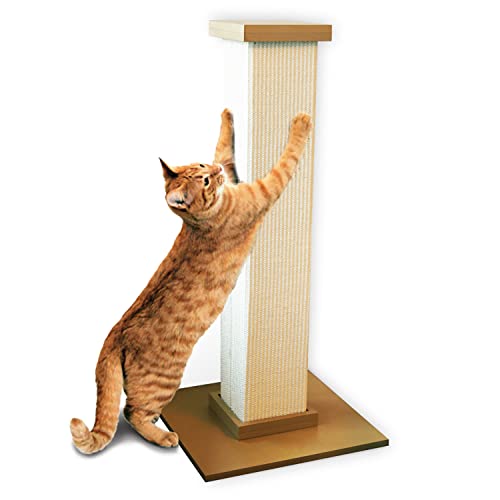
Invest in a sturdy scratching post placed in a prominent area. This redirection encourages healthy habits while keeping claws away from couches and tables.
Provide a diverse array of materials for claw maintenance. Sisal, carpet, and cardboard posts cater to different preferences, making it more likely to entice even the most selective of pets.
Incorporate interactive playtime into the daily routine. Engaging in regular exercise helps to expend excess energy, reducing the likelihood of unwanted claw marks on beloved belongings.
Consider using protective covers or double-sided tape on key furniture pieces. This non-toxic barrier can deter a curious feline from engaging with specific surfaces, while still allowing for a cozy home environment.


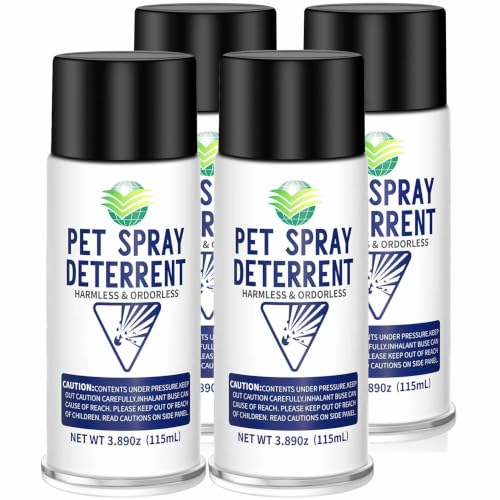
Utilize calming scents or sprays to make surfaces less appealing. Citrus scents or commercially available deterrents can effectively change a cat’s interest in specific areas.
Reward positive behavior with treats and affection. Reinforcing good choices fosters a comforting relationship while helping to establish boundaries.
Identify Your Cat’s Scratching Triggers
Observe the environment to pinpoint specific situations that lead to the behavior. Common triggers may include boredom, stress, or the presence of other animals. If energetic playtime is overlooked, furniture often becomes the target for attention-seeking activities.
Take note of patterns; for instance, does the behavior escalate during particular times of the day? Identifying these moments allows strategies to redirect the focus towards appropriate alternatives. If certain noises or disturbances elicit reactions, note these and create a quieter, more comfortable space.
Different surfaces might attract more interest. Pay attention to areas with different fabrics or textures. Cats may have favorites, so providing suitable scratching posts that mimic those preferred surfaces can divert attention. Experiment with various materials like sisal, cardboard, or carpet to find what resonates best.
Additionally, monitor the emotional state. Stressors such as changes in household dynamics or new pets can dramatically influence habits. Creating a calm atmosphere and ensuring routines remain stable can help alleviate anxiety, potentially reducing the desire to use furniture as a release outlet.
Lastly, engage in consistent observation. Keeping a journal of behaviors may highlight triggers you might not notice at first glance, allowing for informed adjustments to manage the situation effectively.
Select the Right Scratching Post
Choosing a scratching post tailored to preferences can greatly shift behaviors. Look for sturdy materials like sisal, cardboard, or carpet that provide a satisfying texture. Posts should be at least as tall as the feline when standing on its back legs, promoting an instinctive stretch and scratch.
Shape and Size
Consider various shapes: vertical, horizontal, or angled. Some may prefer a horizontal surface, while others enjoy climbing high. Measure available space and ensure the scratching apparatus can fit comfortably.
Placement
Positioning is key. Place it near favorite resting areas or past scratching targets to encourage usage. If possible, make multiple posts accessible throughout the environment to cater to different routines and preferences.
Place Scratching Posts Strategically
Position scratching posts near areas where I observe my feline friend commonly engages with surfaces. If my pet tends to scratch around furniture or doors, placing a post adjacent can create a more appealing option.
Utilize specific spots in the room that receive plenty of activity, such as near a favorite lounging area or beside the television. This encourages usage during moments of playfulness or relaxation.
Consider placing multiple posts in different locations, which allows for exploration and experimentation. Having a choice can lead to increased interest and less temptation to damage other surfaces.
A vertical post may better attract attention in low-traffic areas, while horizontal designs can be more appealing in spaces where the pet already enjoys resting.
Monitor the behavior closely. If a particular location isn’t attracting interest, relocating the post to a more favorable spot may provide better results. Regular adjustments may be necessary to discover the optimal placement.
Consistency is vital. Keeping scratching posts in designated areas creates familiarity, reinforcing the idea that these are the acceptable spots for clawing.
| Recommended Locations | Rationale |
|---|---|
| Near couches or chairs | Redirects interest from furniture. |
| In front of windows | Attracts attention and provides entertainment. |
| Near favorite sleeping areas | Encourages use post-nap. |
| High-traffic zones | Increases visibility and likelihood of use. |
Adjusting the location of these posts based on observed preferences ensures they remain inviting and effective in redirecting behavior away from prized possessions.
Use Deterrents on Furniture
Applying double-sided tape on surfaces of interest discourages engagement. The sticky texture is unappealing and will make them think twice before approaching.
Utilizing citrus-scented sprays can also be effective, as many felines are sensitive to strong citrus aromas. Spraying this on areas they tend to target can reduce their attraction.
Consider placing aluminum foil on favored spots. The crinkly noise created can startle them and deter future attempts.
Motion-activated devices that emit a burst of air or sound can be beneficial. These tools provide a surprise that often encourages them to steer clear of those areas.
Applying furniture-safe deterrent sprays that produce unpleasant tastes acts as a barrier. When they investigate, the taste can discourage further interest.
Experiment with different deterrents to discover what truly works for each unique individual. Consistency with these methods typically yields better results over time.
Encourage Positive Scratching Behavior
Introducing a variety of scratching surfaces can redirect focus toward appropriate targets. Offer materials with different textures, such as sisal, cardboard, and carpet. This variety not only engages interest but also fulfills the instinctual need to scratch.
Interactive Playtime
Incorporating daily interactive play sessions can channel energy effectively. Use wand toys or laser pointers to stimulate physical activity. Reward with treats or praise when the playful spirit is directed towards designated scratching items.
Enhance Environmental Enrichment
Creating a stimulating environment will promote positive behavior. Incorporate climbing structures and cozy hideaways to encourage exploration. Cats that feel mentally and physically engaged are less likely to seek out inappropriate surfaces for relief.
- Rotate toys regularly to maintain interest.
- Incorporate puzzles and treat dispensers for added challenge.
- Consider window perches for bird-watching opportunities.
By diversifying options and engaging in play, it becomes easier to guide behaviors toward suitable scratching areas. Recognizing and rewarding desired actions fosters a sense of accomplishment and reinforces positive habits.
Regularly Trim Claws
Trimming claws is a crucial step in minimizing damage to household items. I recommend doing this at least every two to three weeks. Start by getting a pair of cat nail clippers or human nail clippers designed for pets.
Steps for Successful Trimming
- Choose a calm time. Attempt this when my feline companion is relaxed, perhaps after a play session.
- Gently hold a paw and press lightly to extend the claw. Focus on the transparent part where the quick meets the claw, avoiding cutting into it.
- Trim the sharp tip of each claw. Aim to keep the cut as minimal as possible to prevent discomfort.
Tips for a Positive Experience
- Provide treats and praise throughout the process to create a more enjoyable atmosphere.
- Consider using nail caps if traditional trimming is too challenging; these are non-intrusive options that cover the claw tips.
- If the task feels overwhelming, seek assistance from a veterinarian or a pet groomer for proper guidance.
In time, this routine will help reduce destructive behavior, allowing for a more harmonious living space.
FAQ:
What are some natural ways to deter my cat from scratching furniture?
One effective method is to provide alternatives for your cat. Invest in scratching posts made of various materials, like cardboard or sisal, which mimic outdoor surfaces they enjoy. Additionally, you can use catnip to attract your cat to these posts. Always place them near the furniture your cat typically targets. Another option is using double-sided tape on the furniture. Cats dislike sticky textures, which can discourage them from scratching those areas.
How can I train my cat to use a scratching post instead of the sofa?
Training your cat involves patience and positive reinforcement. Start by placing the scratching post next to the furniture they usually scratch. When your cat uses the post, reward them with treats or praise. If you catch them in the act of scratching the furniture, gently redirect them to the scratching post. Consistency is key; make sure to reinforce the behavior you want to see regularly. Over time, your cat will associate the post with positive experiences and be less inclined to scratch the furniture.
Are there any products that can help prevent scratching?
Yes, there are several products designed to help manage scratching behavior. Scratch deterrent sprays, which have scents that cats find unpleasant, can be applied to your furniture. Additionally, there are protective covers or furniture slipcovers that can shield your furniture from scratches. Cat furniture protectors, like adhesive pads, can also be effective. Combine these products with proper scratching posts to create a comprehensive solution.
What role does my cat’s environment play in their scratching habits?
A cat’s environment significantly influences its scratching behavior. Cats have a natural instinct to scratch to mark their territory and keep their claws healthy. Therefore, providing an enriching environment with plenty of stimulating activities, like climbing trees, toys, and interactive playtime, can diminish their need to scratch furniture. If they have an area that satisfies their instinctual behaviors, they will be less likely to target your furniture.
How can I make my furniture less appealing for my cat to scratch?
To make your furniture less appealing, you can start by using natural deterrents. Spraying a mixture of water and vinegar on the furniture can create an unpleasant scent for cats. Additionally, placing heavy objects on areas your cat scratches or using training mats with textures they dislike can deter them.Consider furniture placements as well; if possible, move pieces to create an open space for the cat’s new scratching posts. Regularly trimming your cat’s claws can also reduce the damage done by scratching.


