
 Caleb Turner
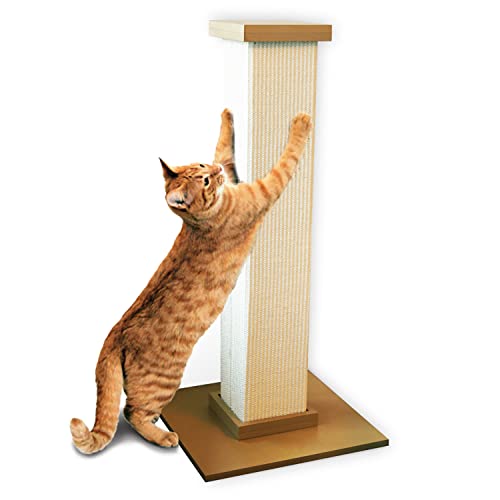
Consider providing a dedicated scratching post, as it offers an appropriate outlet for your pet’s instinctual behavior. Selecting a tall, sturdy structure covered in sisal or carpet can significantly attract their interest. Place it near their favorite lounging area to encourage regular use.
Regular nail trimming is also beneficial. By keeping those sharp edges in check, I reduce the potential for damage. Trimming intervals can vary, but generally, every few weeks is advisable. Using a proper clippers designed for pets ensures safety and comfort during the process.
Incorporating deterrents such as double-sided tape on surfaces can be effective. Cats generally dislike the sticky texture, making it an unappealing choice for scratching. Additionally, using citrus-scented sprays on furniture may also help, as many felines are sensitive to such odors.
Offering positive reinforcement turns the experience into a rewarding one. Whenever my cat uses the designated scratching area, I provide treats or affection. This association encourages them to choose the right place instead of my favorite chair.
Preventing Destructive Behavior in Young Cats
Install scratching posts in common areas where your cat spends time. I recommend selecting sturdy ones made of natural materials such as sisal or cardboard, as they are more appealing to cats. Place these posts near the furniture they tend to target. This redirection will help them associate the scratching post with their natural instinct and hopefully save your belongings.


Use deterrent sprays on critical surfaces like sofas and chairs. Choose safe, non-toxic options that are unpleasant to their sense of smell. Regularly applying these products will condition your cat to avoid those areas.
Engagement is key; allocate time daily for interactive play. Utilizing wand toys or laser pointers keeps their claws busy and diverts their attention. This physical outlet reduces the likelihood of them seeking out unsuitable surfaces to scratch.
Consider providing cozy alternatives such as plush blankets or designated areas that they can claim as their own. Cats love to knead and scratch as part of their instinct, so offering plush items can satisfy this urge while protecting your possessions.
Monitor your cat’s behavior closely. If I notice they’re drawn to a particular piece of furniture, I’ll quickly redirect them to their scratching post. Consistency in correction reinforces positive habits. Rewarding them with treats when they use appropriate items will strengthen this behavior.
Lastly, keeping their nails trimmed helps minimize damage. Incorporate regular nail clipping into your routine to maintain control over their scratching tendencies. If you’re unsure, consult a veterinarian for proper techniques.
Understanding the Instinct Behind Clawing
Recognizing that this behavior stems from natural instincts can shift perspectives. Cats instinctively scratch to stretch their muscles and maintain claw health. This action helps remove dead outer layers of their claws, promoting growth and sharpness.
The scratching motion also serves a purpose beyond health. It marks territory, leaving both visual and scent signals. Cats have glands in their paws that release pheromones, indicating ownership of a space. Thus, applying deterrents solely may not suffice; creating designated areas for this behavior is paramount.
Engaging with tactile surfaces, such as scratching posts, provides stimulation while preserving household items. Offering varied textures, like sisal and cardboard, caters to individual preferences. Experimenting with height can further attract interest; many felines enjoy vertical space.
Observation is key. Understanding when your pet tends to scratch can inform adjustments in their environment. Redirecting this natural urge through play or interactive toys can serve as a distraction. Regular playtime helps channel energy effectively, reducing unwanted behaviors.
Furthermore, positive reinforcement can be powerful. Rewarding desired interactions with treats or praise strengthens the connection between appropriate surfaces and satisfaction. I find consistency in training crucial, allowing for the establishment of new habits over time.
Finally, maintaining mutual respect for natural instincts, while guiding behavior, enriches the relationship between owner and pet. Adapting the home environment to accommodate these needs leads to harmony and protection of cherished belongings.
Choosing the Right Scratching Post for Your Kitten
Opt for a scratching post that matches the size and height of your feline. It should be tall enough for them to stretch fully. I recommend posts that are at least 24 inches tall. This allows for a good stretch during use.
Material Matters
Select materials that encourage usage. Sisal rope is a popular choice due to its durability and texture. Additionally, cardboard options can be appealing as many cats enjoy the sensation of scratching on it. Avoid synthetic fabrics as they are less enticing.
Stability and Design
A sturdy base is essential to prevent the post from toppling over. I prefer models with wide, heavy bases to ensure stability during vigorous use. Look for designs that incorporate multiple surfaces or angles, allowing for varied scratching experiences.
| Material | Benefits | Considerations |
|---|---|---|
| Sisal Rope | Durable, great for claw health | Can wear out over time |
| Cardboard | Popular for scratching, easy to replace | Might not last long |
| Carpet | Soft surface, familiar texture | Difficult to clean |
Experiment with different shapes–vertical, horizontal, and angled posts can provide various scratching options. Ensuring accessibility in various home areas also encourages exploration and usage.
Strategically Placing Scratching Posts in Your Home
I recommend positioning scratching posts in high-traffic areas. Cats are more likely to use the posts if they are easily accessible during their everyday activities. Consider areas near their favorite resting spots or play zones. Close proximity encourages exploration and prevents them from seeking alternative surfaces.
Utilizing corners is another effective approach. Cats naturally gravitate toward vertical spaces, so placing a post in a corner not only makes it a focal point but also allows for a secure footing. Opt for tall posts that enable stretching, satisfying their instinctual need to stretch and sharpen claws.
Don’t overlook the furniture and setup in your home. Financially friendly options include positioning a post right next to your couch or dining chairs. By placing the post adjacent to these items, it provides a direct alternative, redirecting attention away from your belongings.
In multi-level homes, distribute several posts across various floors. This setup caters to their exploration instincts while establishing a designated scratching zone in each area. Choose spots where they frequently lounge or play.
Incorporate scratching posts near windows that offer outside views. Cats enjoy watching outdoor activities. This can encourage engagement with the post while providing additional entertainment.
Finally, be mindful of the materials and textures. Cats might demonstrate a preference for specific surfaces. Testing various types of scratching posts in different locations can identify which surfaces resonate most with their natural tendencies.
Using Deterrents to Protect Your Furniture
Utilize citrus-scented sprays on surfaces you wish to safeguard. Cats generally dislike the smell of citrus, making it an effective deterrent. Apply it regularly to maintain its effectiveness.
Another option involves adhesive strips or mats. Placing sticky surfaces on targeted areas can discourage scratching. Cats dislike the texture, prompting them to seek alternative spots.
- Consider purchasing commercial sprays designed to repel felines. Choose options labeled safe for home use and follow application instructions carefully.
- Double-sided tape can also create an unappealing surface texture. Apply it liberally on furniture to deter unwanted behavior.
- Motion-activated devices that emit a harmless burst of air or sound can startle a cat away from certain locations.
- Scents like lavender or menthol may also be used, as some cats find these aromas unappealing.
Experiment with various options to determine which works best for your home environment. Consistency in applying deterrents is key to creating a less appealing atmosphere for clawing.
Monitoring and Adjusting
Stay vigilant in observing your feline’s behavior. If certain strategies are ineffective, reassess the deterrent methods being employed. Adapting your approach will help reinforce boundaries over time.
Creating a Positive Environment
Incorporate rewarding behaviors to encourage your pet to use approved scratching areas. Whenever you notice them engaging with the scratching post or mat, offer praise or treats. This positive reinforcement can strengthen their inclination to avoid damaging your belongings.
Positive Reinforcement Techniques for Training
Using treats is an effective strategy for encouraging desired behaviors. Whenever I catch my feline using the scratching post instead of the couch, I immediately reward them with a small treat or some praise. This creates a connection in their mind between the scratching post and positive feedback. Consistency is key; I make sure to do this every time to reinforce the behavior effectively.
Incorporating Playtime
Engaging in interactive play is another method I find successful. I use feather wands or laser pointers to direct my pet’s energy towards scratching posts after play sessions. This not only helps divert attention from my belongings but also makes scratching the post more appealing through association with fun activities.
Using Safe and Appealing Toys
Offering various toys that mimic the texture and feel of surfaces they claw also aids in diverting their impulse. I provide different options like sisal-covered toys or cardboard scratchers. When they engage with these toys, rewarding them ensures they understand these items are suitable substitutes for my furniture.
Maintaining Nail Health: Clipping and Alternatives
Regular trimming of your pet’s nails is crucial for both their well-being and your household items. I recommend using a set of cat-specific nail clippers, which are designed for ease of use and precision. Aim to clip the tips every couple of weeks, focusing on avoiding the quick–this is the pink part inside the nail that contains blood vessels. If you’re uncertain, starting with just the tips can minimize the risk of injury.
Alternative Options for Nail Management
If clipping feels challenging, consider using a nail grinder. These devices gently round off the tips and can be less stressful for both you and your furry companion. Introduce it gradually, letting your pet get used to the sound and sensation without the pressure of immediate trimming. For added safety, apply a nail cap product which can be adhered to the claw tips, effectively preventing damage to your belongings.
Routine Care and Monitoring
Keep an eye on your pet’s claws for signs of overgrowth or splitting. Regular assessment can help address issues before they become serious. Ensure that each trimming session is a calm experience by offering treats and praise, making the process a positive routine. By investing time in maintaining nail health, I not only protect my furnishings but also support my pet’s comfort and mobility.


