
 Caleb Turner

Apply a high-quality primer designed specifically for outdoor use to the clean surface of your metallic pieces. This step is crucial to creating a barrier against moisture and air, which contribute to deterioration. Ensure that the primer dries completely before proceeding with any topcoat application.
I suggest using a protective paint or sealant that is also formulated for outdoor conditions. This provides an additional layer of defense. Choosing a product with UV protection will further extend the life of your items by preventing fading and corrosion.
Regularly inspect your outdoor accessories for any signs of wear or damage. Addressing scratches and chips promptly with touch-up paint will help maintain the integrity of the protective layer. Incorporating a routine cleaning schedule with gentle soap and water can also keep dirt and grime from building up, which can trap moisture and lead to degrading conditions.
If possible, store your outdoor accessories under a covering during harsher seasons or inclement weather. Utilizing breathable covers can prevent moisture from accumulating while still allowing air circulation. If outdoor storage isn’t an option, consider moving your items to a sheltered location.
Investing in silicone sprays can offer an additional protective measure. Regularly applying this treatment can help repel water and dirt, prolonging the beauty and durability of your possessions.


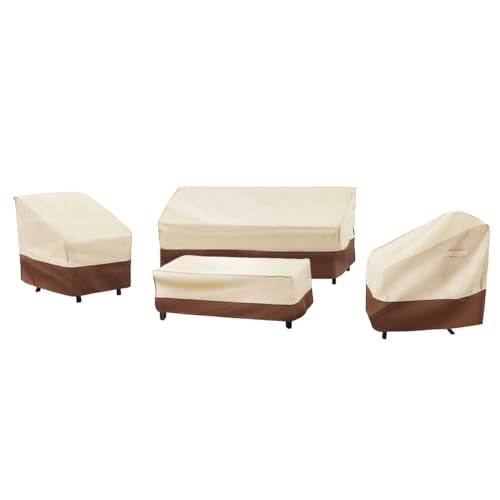
Strategies for Keeping Outdoor Metal Seating Pristine
Applying a high-quality protective coating is essential. Select options such as powder coating or spray paint specifically designed for outdoor use. This layer acts as a barrier against moisture and elements.
Regular cleaning is non-negotiable. Use a mild detergent mixed with water to wipe down surfaces at least once a month. Brushing away dirt prevents accumulation that can trap moisture.
Inspect for scratches or chips periodically. If found, promptly treat those areas with touch-up paint to maintain the integrity of the protective layer and reduce exposure to air and moisture.
Utilize covers during inclement weather or when not in use for extended periods. This prevents direct exposure to rain, snow, and debris that could contribute to corrosion.
Consider positioning your items on surfaces that allow for good drainage. Elevating them slightly can minimize water pooling, which is a significant factor in fading and deterioration.
For environments with high humidity, I recommend using silica gel packets around the seating to absorb excess moisture. This is especially useful in closed spaces or areas that retain dampness.
Lastly, if possible, move items indoors during harsh weather seasons. This proactive approach significantly prolongs the lifespan and appearance of outdoor seating.
Choosing Rust-Resistant Materials for Outdoor Furniture
Select high-quality aluminum for its lightweight and resistance to corrosion. This option is ideal for outdoor settings, requiring minimal maintenance and providing durability.
Stainless Steel Options
Look for furniture made from stainless steel, specifically types 304 or 316. These alloys are enhanced with nickel and chromium, making them robust against oxidation even in harsh weather.
Consider Synthetic Alternatives
Explore synthetic materials like resin and polywood. These options mimic the appearance of traditional wood while offering superior weather resistance. They do not absorb moisture, which eliminates the risk of deterioration due to rust.
- Aluminum: lightweight and corrosion-resistant
- Stainless Steel: durable and long-lasting
- Resin: weatherproof and low maintenance
- Polywood: eco-friendly and resistant to moisture
Choose a combination of these materials to create a stylish and enduring outdoor space that withstands the elements effectively.
Applying Protective Coatings to Metal Surfaces
To ensure longevity, I use a variety of protective coatings on metallic surfaces. These coatings create a barrier against moisture and environmental factors. First, I select an appropriate primer designed for outdoor conditions, which provides a solid base and improves adhesion for subsequent layers.
Types of Coatings
For topcoats, I often opt for either paint or powder coating. Paint offers a wide range of colors and finishes, while powder coating delivers a more durable and chip-resistant layer. Each option requires proper surface preparation: I clean the surface thoroughly and sand it lightly to enhance adhesion.
Application Techniques
In applying these coatings, even coverage is crucial. I utilize a spray gun for powder coating to achieve a uniform finish, while for paint, I use high-quality brushes and rollers. It’s advisable to apply multiple thin layers rather than one heavy layer, allowing adequate drying time between applications to ensure durability.
Storing Furniture Properly During Inclement Weather
I recommend finding a designated indoor space to shelter your outdoor pieces when bad weather approaches. A garage, shed, or basement provides effective protection against rain and moisture that can accelerate deterioration.
Utilizing Protective Covers
If indoor storage isn’t an option, invest in high-quality protective covers designed for outdoor items. Ensure these covers are breathable to prevent moisture buildup, which can still be damaging. Select tarps or covers equipped with secure straps to keep them in place during windy conditions.
Arranging for Optimal Drainage
When planning to store outside temporarily, elevate the items off the ground using pallets or blocks. This allows water to drain away easily, reducing the likelihood of corrosion. Ensure all surfaces are dry before covering or stacking to minimize the risk of moisture retention.
By implementing these measures, I can significantly extend the lifespan of my outdoor seating and tables during adverse weather conditions.
Regular Cleaning Techniques to Remove Moisture
I recommend starting with a soft cloth or sponge and warm soapy water to wipe down surfaces regularly. This helps remove debris and prevents grime buildup that can trap moisture. After washing, I always ensure to dry thoroughly with a microfiber towel to eliminate any water spots.
Using a leaf blower or a low-pressure air compressor can be effective for getting into crevices and removing trapped water. Just be cautious not to use high pressure that could damage the finish. I find this method particularly useful in tight spots where moisture tends to linger.
Another useful technique is to use a mixture of vinegar and water as a natural cleaning agent. This not only disinfects but also helps combat moisture. After applying, I rinse with clean water and dry immediately, making sure there’s no residue left behind.
For seasonal cleaning, I suggest using a dedicated tarp or covering as a first line of defense against the elements. This way, I can minimize exposure to rain and humidity, which could lead to corrosion.
Finally, I recommend inspecting drainage holes and ensuring they are clear. Blocked drainage can result in water accumulation, so regular checks can significantly reduce the risk of unwanted moisture build-up.
Using Furniture Covers for Extra Protection
Opt for high-quality, waterproof covers specifically designed for outdoor seating and tables. These covers should fit snugly to prevent moisture accumulation while allowing for ventilation to avoid condensation buildup. Look for materials such as durable polyester or vinyl that resist fading under UV exposure.
Before applying the cover, I recommend thoroughly cleaning the surfaces to remove any dirt, debris, or moisture that could trap elements beneath the cover. A clean base is crucial for maintaining the condition of the items underneath.
Additionally, during severe weather, ensure the covers are securely fastened or weighted down to prevent them from being blown away. Regularly check for signs of wear or damage on the covers themselves and replace them as necessary to maintain optimal protection.
Using covers consistently, especially during off-seasons or storms, significantly extends the lifespan of the outdoor pieces, making this method an excellent investment for outdoor living aesthetics.
Identifying and Addressing Early Signs of Rust
Regular inspection is key. I examine surfaces for reddish-brown spots, flaking paint, or pitting, as these are initial indicators of corrosion. If I spot any issues, I act swiftly to treat them and prevent further damage.
Steps to Address Early Signs
Utilize fine-grit sandpaper or a wire brush to gently remove rust spots. Afterward, clean the area with soap and water, ensuring it’s thoroughly dried. Applying a rust-inhibiting primer is essential before repainting with a high-quality exterior paint suited for outdoor use. This creates a barrier against moisture.
Monitoring Environmental Factors
I keep an eye on weather patterns that can accelerate deterioration, such as high humidity or heavy rainfall. Adjusting the location of my items to minimize direct exposure to the elements can significantly reduce the chances of corrosion.
| Signs of Rust | Recommended Action |
|---|---|
| Reddish-brown spots | Sand and clean the area, then apply primer |
| Flaking paint | Scrape off loose paint, clean, and repaint |
| Pitting or surface damage | Remove affected area, fill with appropriate filler, then sand and repaint |
These proactive measures allow me to extend the life of my outdoor seating while maintaining its appearance. Regular vigilance pays off in keeping items looking their best.
Implementing a Routine Maintenance Schedule
Establish a regular timeline for upkeep, ideally every few months, depending on weather conditions and usage. This will help maintain the integrity of your outdoor seating options.
- Schedule inspections to spot any potential damage or early signs of deterioration before they escalate.
- Dedicate time for cleaning; use a mild soap solution to wipe down surfaces and remove dirt or grime that can hold moisture.
- Apply touch-up paint or sealants at specified intervals to ensure protective layers remain intact.
- Document each maintenance session to track any repairs or treatments conducted over time.
Assign specific responsibilities if multiple individuals are involved in care tasks. Consistent attention ensures that all areas receive the maintenance they need.
Consider seasonal adjustments; for instance, more frequent checks during rainy seasons or prolonged periods of humidity. Staying proactive minimizes long-term damage.


