
 Caleb Turner

For immediate action, place coasters or furniture pads under the legs of your items. This simple addition distributes weight evenly, reducing pressure on the floor surface.
Regularly rearranging position can also make a significant difference. By periodically changing the layout, I allow the fibers to recover, minimizing the risk of permanent impressions.
Incorporate an area rug or mat beneath larger objects. This not only adds style but also creates a barrier that absorbs weight and prevents flattening of the fibers.
Cleaning and maintaining your flooring will keep fibers resilient. Utilizing the appropriate vacuum settings and tools designed for your specific type ensures longevity and helps restore their natural texture.
Consider lighter designs for oversized pieces. When selecting new items, opting for lighter materials can alleviate excessive stressed areas, thereby preserving the texture of the ground.

Preventing Imprints on Rugs
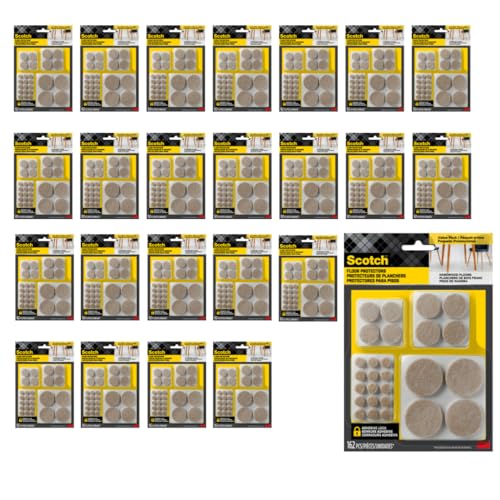
Utilizing felt pads under the legs of your seating and tables is an immediate solution. These pads act as a buffer, reducing direct pressure and friction on the fibers beneath.
Regularly rearranging furniture will distribute weight more evenly, allowing the fibers time to recover and minimizing long-term impressions. Consider using coasters or trays for items placed on surfaces to avoid concentrating weight in one area.
When moving heavy pieces, lift instead of dragging; this precaution minimizes stress on floor coverings. Elevating items off the ground with risers can also help in preventing any potential indentations.
Incorporating area rugs beneath furnishings adds an additional layer of protection. Choosing plush, thick rugs can absorb impacts, serving as a barrier that mitigates pressure on the underlying surface.
Incorporate rotation of the placement of heavy items periodically, which can promote uniform wear across the surface. Additionally, consider using a thick underlay beneath carpets to enhance cushioning and protect the fibers.
Finally, ensuring proper humidity levels in your environment contributes to the resilience of both the rugs and the underlying flooring, helping maintain their original appearance.
Selecting the Right Furniture Leg Pads
Opt for felt pads with adhesive backing for easy application on the bottom of each leg. These offer a soft surface that glides smoothly over textiles, significantly reducing pressure points.
Material Matters
Choose high-density felt or polyurethane materials. These options resist wear over time and maintain their shape under weight, ensuring longevity and consistent performance in protecting your floor coverings.
Size and Shape Considerations
Select pads that match the dimensions of your furniture legs precisely. Round, square, or custom-cut shapes should fit snugly to eliminate exposure of edges. Ensure they are thick enough to create a barrier, distributing weight effectively across a broader area.
Implementing Regular Furniture Rearrangement
I suggest shifting the arrangement of your seating and tables every few months. This simple action allows different sections of your flooring to experience relief from heavy weights. Every time I move my couches or chairs, I make sure to choose new placements that avoid lingering pressure in one spot for too long.
While repositioning, I take the opportunity to clean the areas underneath and around the pieces, ensuring dust and dirt don’t accumulate. This not only enhances the appearance of my space but also keeps my flooring in better shape.
To make this task easier, I mark a calendar reminder for furniture changes. By sticking to a schedule, I’ve found that it becomes less of a chore and more of a refreshing update to my home. Frequent rearrangement also keeps the space feeling new and inviting.
Additionally, I advise involving family members or friends during this process. Their input can spark creativity and lead to even better arrangements that prioritize both aesthetics and functionality.
Choosing the Right Furniture for Your Carpet Type
Choosing the proper items for your flooring is crucial. Heavy pieces can compress fibers and lead to lasting impressions, while lighter ones may be more suitable for delicate textiles. Opt for furnishings made from softer materials or those designed specifically for use on sensitive surfaces.
Material Matters
Wooden legs or metal bases can cause scratches and indentations. Instead, look for designs that feature padded bases or rubber fittings to distribute weight evenly. Such options significantly reduce stress on your flooring, preserving its look and texture over time.
Shape and Size Considerations
Wider bases on seating or tables can lessen pressure on specific spots, decreasing the chance of uneven wear. Round or oval shapes may be preferable, as they help distribute weight rather than concentrating it in one area. Always ensure items are proportionate to the room’s layout; overcrowding can increase risk.
Check for furniture designed to specifically cater to the type of fibers in your flooring, such as those that include protective properties or easy glide features. This attention to detail will prolong the lifespan and aesthetics of your floor covering while enhancing your living space.
Utilizing Carpet Protectors and Shields
To safeguard the surface from indentations, I recommend using carpet protectors such as plastic or felt shields. These products distribute weight evenly, reducing the risk of compression on the fibers. Consider the following options:
- Furniture Coasters: Place these under heavy items to prevent unnecessary pressure on the fabric.
- Plastic or Rubber Pads: These come in various sizes and can be cut to fit any furniture leg, ensuring a snug fit.
- Custom Shields: For unique furniture shapes, consider custom-cut protectors that match specific dimensions.
Another method is using protective rolls. These can be laid down underneath furniture and simply removed for cleaning or rearranging. I find that clear plastic sheets provide discreet protection while allowing the original design to show through. It’s effective for high-traffic areas, too.
Regular maintenance of these protectors is key. I clean the pads every few months to ensure they remain effective and free from debris that may scratch the floor covering underneath.
By incorporating these protective solutions, the aesthetic appeal of your interior remains intact while minimizing the risk of damage to your flooring.
Maintaining Glass or Metal Furniture Options
Choose tempered glass or powder-coated metal options to reduce the risk of scratching and enhance durability. Both materials are less prone to wood and plastic blemishes, making them an excellent choice for protecting your flooring.
Regular Cleaning
Wipe down surfaces with a soft cloth and mild cleaner to maintain clarity and shine. Avoid abrasive materials that could cause scratches. For metal pieces, a silicone-based polish can help prevent tarnishing and extend longevity.
Rubber or Felt Pads
Attach high-quality rubber or felt pads under legs to minimize any potential abrasion. Ensure these pads are regularly checked and replaced as needed. This simple measure significantly reduces the chances of any damage while moving or shifting the furniture.
Incorporating glass or metal into your living space can be visually striking and practical, especially when proper care is taken to protect your floors.
Conducting Regular Carpet Maintenance and Cleaning
The foundation of preserving your floor covering lies in consistent upkeep. I utilize a vacuum cleaner equipped with a rotating brush to eliminate dirt and debris at least once a week. This helps in reducing wear and tear effectively.
Spot Cleaning Techniques
Tackle spills immediately to avert stains. I keep a cleaning solution specifically designed for delicate fibers on hand. For effective results, I blot with a clean cloth rather than rubbing.
Deep Cleaning Practices
- I arrange for a thorough cleaning every six months. This involves steam cleaning which reaches deep into the fibers.
- Using a professional service is often beneficial if the stains are particularly stubborn.
To maintain hygiene, I also employ a carpet sanitizer that eliminates dust mites and allergens. My routine is supplemented with regular rotations of area rugs to ensure even wear across all surfaces.
Lastly, I schedule periodic inspections to catch any wear or damage early. Addressing issues promptly extends the life of the flooring significantly.
Educating Family Members on Furniture Handling
Involve everyone in training sessions focused on proper lifting and sliding techniques. Use demonstrations to show how furniture should be moved to minimize damage–lifting rather than pushing or dragging is key.
Create a designated spot for frequently used pieces to reduce unnecessary shifting. Clearly mark this area with tape or another visual cue to remind family members.
Introduce the concept of protective pads. Have each family member take responsibility for placing and checking the pads under items when they are in motion. This reinforces personal accountability in preserving the flooring.
Set a rule that before moving any sizeable object, a member should ensure that the path is clear of obstacles to avoid tipping or dragging. Encourage open communication about potential hazards.
| Action | Description |
|---|---|
| Training Sessions | Regularly practice lifting techniques with family members. |
| Designated Spot | Create a specific area for often-used items to minimize moving. |
| Accountability | Assign responsibility for checking protective pads under each piece. |
| Clear Path Rule | Ensure designated movers check for obstacles before shifting items. |
Consider assigning small roles–like monitoring for slip hazards during transitions–to younger family members. This encourages them to adopt safe practices early.


