
 Caleb Turner
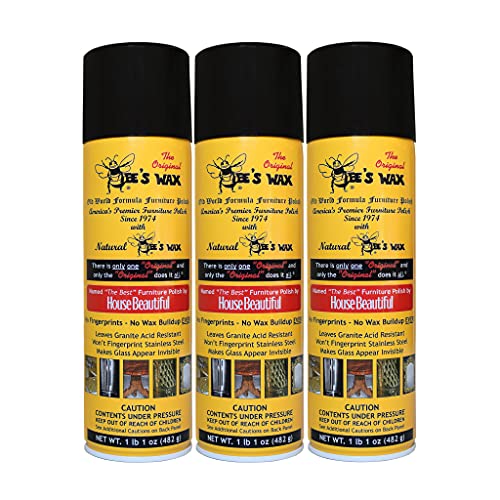
To enhance the beauty of vintage wooden pieces, I recommend starting with a thorough cleaning. Use a soft cloth or microfiber cloth dampened with a solution of warm water and a few drops of mild soap. This method effectively removes dust and grime without damaging the surface.
After cleaning, let the item dry completely. Next, I apply a natural wax or oil specifically designed for wooden surfaces. This not only nourishes the grain but also provides a protective layer against everyday wear. I prefer using beeswax or linseed oil for their traditional properties and ease of application.
For deeper scratches or blemishes, consider using a fine-grit sandpaper. Lightly sand the affected area in the direction of the grain, followed by another application of the wax or oil to restore its original luster. This combination of techniques ensures the longevity and aesthetic appeal of cherished, classic wooden items.
Techniques for Enhancing Aged Timber Pieces
I recommend beginning with a thorough cleaning using a mixture of water and mild soap. Lightly dampen a lint-free cloth and wipe the surface, ensuring not to saturate the wood.
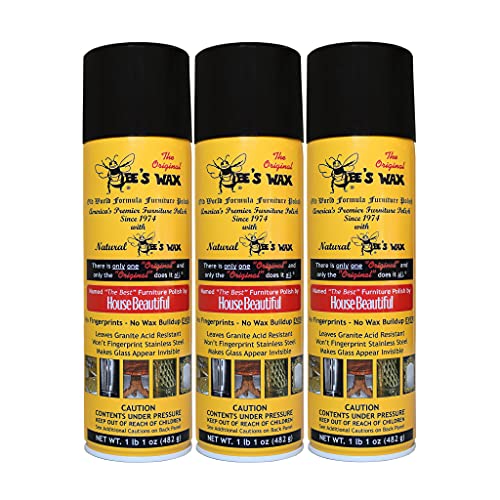
After cleaning, I suggest applying a quality beeswax or natural oil blend. Using a soft cloth, rub a small amount onto the surface in circular motions. This method nourishes and provides a protective layer, enhancing the grain’s appearance.


Addressing Stains and Scratches
For scratches, I utilize a combination of crushed walnuts and a drop of oil. Rubbing the paste into the scratch with a soft cloth fills and camouflages imperfections effectively.
For deeper stains, a mixture of equal parts vinegar and olive oil can be used. Dab this solution onto the affected area and let it sit for a few minutes. Wipe off any excess to reveal a refreshed look.
Regular Maintenance Tips
I recommend regular dusting with a microfiber cloth to prevent dust buildup. This simple practice can maintain the luster and integrity of the surface, prolonging the lifespan of the item.
Consider placing coasters under beverages to protect against moisture rings. Additionally, keeping these treasures away from direct sunlight helps preserve their color and finish.
Assessing the Condition of Your Wooden Pieces
Check for scratches, dents, or worn-out areas on the surface. Use natural light to easily spot imperfections and discolorations. Pay close attention to joints and edges where wear tends to be more pronounced.
Feel for rough textures; this indicates that the protective finish might be compromised. Run your hand over the surface to detect any irregularities. If it feels sticky or waxy, it may require thorough cleaning before any restoration efforts.
Inspect for loose parts or structural issues. Gently wiggle legs or shelves to identify stability problems. This is crucial for ensuring longevity during the renovation process. If any components are compromised, consider necessary repairs before proceeding.
Look for signs of moisture damage, like warping or swelling. These can lead to further complications if not addressed early. If any sections are separating, apply appropriate methods to correct these areas.
Lastly, determine if the finish is natural, varnished, or painted. This affects the approach and products I’ll choose for refurbishment. Identifying the type can guide decisions on what techniques and materials are compatible for restoration efforts.
Choosing the Right Cleaning Products for Wood
Select a product specifically designed for natural surfaces. Look for those labeled safe for your specific type of timber. Avoid harsh chemicals as they can strip away finishes or damage the grain.
Types of Cleaners
- Soap and Water: A mild solution using dish soap diluted in water can effectively remove surface dirt without harm.
- Commercial Wood Cleaners: Choose respected brands that focus on gentle formulations. Test a small area first.
- Natural Alternatives: Mixtures like vinegar and oil can work well for regular maintenance. Mix one part vinegar with three parts vegetable oil.
What to Avoid
- Products with ammonia, as this can cause dullness over time.
- Silicone-based sprays that can create a residue, attracting more dirt.
- Strong solvents such as acetone, which can lead to irreversible damage.
Always check the manufacturer’s recommendations before using any cleaner. Apply the product gently with a soft cloth to avoid scratching surfaces. Regular maintenance with suitable products can extend the life of your cherished items.
Preparing the Surface for Polishing
First, I assess the surface to identify any damage, dirt, or buildup. I vacuum thoroughly or use a soft brush to remove dust. After that, I prepare a gentle cleaning solution with warm water and a few drops of mild soap. This ensures that I won’t damage the finish.
Using a soft, lint-free cloth, I apply the solution lightly, avoiding excessive moisture. This technique helps lift grime without soaking the material, which could lead to warping. Once cleaned, I rinse the cloth with fresh water, wring it out, and wipe down any soapy residue.
Next, I let the surface dry completely. If there are stubborn stains or scratches, I lightly sand the affected areas with fine-grit sandpaper. I always follow the grain to prevent further damage. After sanding, I vacuum the area again to eliminate dust particles that could interfere with the next steps.
Finally, I check for inconsistencies, such as areas that feel rough or uneven. If necessary, I apply a wood conditioner or primer to prepare for the subsequent application of the finishing product. This step is crucial as it ensures uniform absorption of the final treatment, allowing for a smooth and polished appearance.
| Step | Description |
|---|---|
| 1 | Remove dust using a vacuum or brush. |
| 2 | Prepare a gentle cleaning solution with soap and warm water. |
| 3 | Wipe the surface with a soft cloth, avoiding moisture. |
| 4 | Dry completely and check for stubborn stains. |
| 5 | If needed, lightly sand damaged areas. |
| 6 | Vacuum to remove dust after sanding. |
| 7 | Apply a wood conditioner if necessary. |
Selecting the Best Type of Polish for Your Furniture
Choosing the right formulation for rejuvenating surfaces hinges on the finish, age, and condition of the piece. Each variant serves a distinct purpose, so the ideal selection will differ based on your specific needs.
Types of Formulations
- Wax-based: Excellent for enhancing shine and providing a protective layer. Best suited for pieces with a natural finish.
- Oil-based: Penetrates deeper into the grain, nourishes the material, and offers a rich glow. Appropriate for drier or older items.
- Aerosol sprays: Convenient and easy to apply, ideal for quick touch-ups, though they may not offer deep conditioning.
- Liquid polish: Perfect for cleaning and providing a light protective coating without heavy buildup.
Special Considerations
- Check the finish: Avoid products that can react negatively with existing coatings; test on a discreet area first.
- Environmental factors: Consider humidity and temperature; some products may perform better in specific conditions.
- Usage frequency: For high-use items, a durable formulation will withstand wear and maintain appearance longer.
Assess your priorities–shine, nourishment, or protection–and select accordingly for optimal results. Avoid mixing different types of preparations, which may lead to undesirable effects.
Applying Polish: Techniques for a Smooth Finish
To achieve a smooth finish, I begin by ensuring the surface is free from dust and debris. I use a microfiber cloth, which allows me to collect fine particles without scratching the finish.
Next, I apply the chosen product using a clean, soft cloth. I fold the cloth into a small pad, which grants better control and coverage. Instead of applying directly from the bottle, I place a few drops onto the cloth first to prevent overflow.
I work in small sections, moving with the grain. This technique enhances the absorption of the substance and minimizes streaks. I utilize circular motions in areas that may require more attention, ensuring an even distribution.
After covering a section, I let it sit for a minute to allow the ingredients to penetrate. Following this, I buff the area with a separate clean cloth, again using the grain as my guide. Buffing ensures that the finish appears lustrous and helps reduce any residue.
It’s important to assess whether the surface feels sticky after buffing. If so, I gently go over it with a clean, dry cloth to remove any excess. I repeat this process for each section, ensuring consistency across the entire piece.
Finally, I allow the finish to cure fully, avoiding contact for at least a few hours. This waiting period helps the layers to bond effectively, resulting in a truly polished appearance that highlights the beauty of the material.
Dealing with Scratches and Dents While Polishing
For addressing scratches and dents, I first assess the depth of the damage. For shallow scratches, I use a soft cloth and a blend of olive oil and vinegar, applying it gently in a circular motion. This method tends to nourish the finish while disguising minor imperfections.
If I encounter deeper scratches or dents, I resort to a wood filler that matches the color of the grain. After applying the filler and allowing it to dry, I sand it lightly to ensure it’s level with the surrounding surface. I then follow with the same oil and vinegar mixture to blend the repaired area with the rest of the piece.
Repair Techniques
Here’s a quick reference table of techniques for different types of damage:
| Type of Damage | Recommended Treatment |
|---|---|
| Shallow Scratch | Olive oil and vinegar blend |
| Deep Scratch/Dent | Wood filler, sand, and blend |
| Water Ring | Apply a mixture of mayonnaise and vinegar |
| Discoloration | Use a commercial wood restorer |
Finishing Touches
After repairing, I ensure to apply the chosen cream or a suitable wax over the entire surface, including the repaired areas. This not only protects against future damage but also enhances the overall appearance.
Maintaining the Shine After Treatment
To keep the lustrous surface intact after treatment, regularly dust the surfaces with a soft, lint-free cloth. This simple act prevents the accumulation of dirt and grime that can diminish the glow.
Utilizing coasters for drinks and placing mats under items can protect the finish from scratches and stains. When moving objects, lift them rather than sliding, as this helps preserve the finish.
For added luster, apply a small amount of beeswax every six months. This natural wax forms a barrier against moisture and enhances the shine without altering the color.
Regular Care Steps
Inspect once a month for any signs of wear. Address minor blemishes by gently buffing with a fine microfiber cloth. For deeper scratches, consider touch-up kits designed specifically for the type of finish used.
Avoid using harsh chemicals or abrasive materials that can strip the shine. Instead, a gentle solution of warm water and mild soap can keep surfaces clean without damaging the protective layer.
Environment Considerations
Maintain a stable humidity level to prevent warping or cracking. Using a humidifier in dry conditions will help keep the material intact and looking its best.
Keeping the furniture out of direct sunlight prevents the finish from fading over time. Opt for sheer curtains or place items strategically to minimize exposure.
Handling Different Wood Types and Finishes
Identify the specific species of timber before proceeding with your rejuvenation efforts, as treatment methods can vary significantly. Certain types react differently to polishes and cleaning solutions, affecting the final appearance and protection.
Common Wood Types and Their Needs
- Oak: Strong and porous. Ideal to use oil-based finishes as they penetrate well, enhancing grain visibility.
- Pine: Softer and more prone to scratches. Choose a gentle touch with clear wax to avoid further damage.
- Mahogany: Dense and resilient. I use a combination of beeswax and mineral oil to maintain its rich color.
- Cherry: Darkens with age. Opt for natural products like lemon oil, allowing it to develop a warm patina over time.
Understanding Finishes
Awareness of existing finishes on the surface is crucial. Here’s how to manage various types:
- Varnish: If intact, apply a suitable polish without solvents, as these can lift the finish.
- Lacquer: Use an acrylic polish; it cleans without damaging the underlying layer.
- Oil: Reapply oil periodically to nourish and protect; use mineral spirits for cleaning beforehand.
- Wax: Replenish with additional wax layers for a soft sheen, avoiding silicone-based products that can cause buildup.
Before starting, conduct a spot test with your chosen product on an inconspicuous area. This ensures compatibility and avoids any unintended alterations. With the right approach, I can maintain the integrity of the piece. Fine-tuning your method based on the material will provide lasting results.
Tips for Regular Care and Maintenance of Wood Furniture
Dusting surfaces weekly with a soft, lint-free cloth prevents buildup that can dull the finish. I also recommend using a damp cloth occasionally to remove stubborn grime, but ensure it’s not soaking wet, as excess moisture can warp elements.
Routine Cleaning
For regular cleaning, I opt for a mild soap solution–mix a few drops of moderate-quality dish soap with warm water. After applying, I wipe down with a clean cloth, following up with a dry one to avoid moisture damage.
Using coasters and placemats can safeguard against heat and stains. I make it a point to educate family and guests on their importance to prolong the lifespan of surfaces.
Seasonal Treatment
Every season, I assess for signs of wear or damage like cracks or faded spots. If I find any, I treat them immediately. Applying a light application of beeswax once or twice a year helps to rejuvenate the surface without heavy buildup.
I also ensure that my items are kept in a climate-controlled environment, as drastic temperature changes can cause expansion and contraction. Maintaining consistent humidity levels contributes significantly to the longevity of these pieces.


