
 Caleb Turner

Begin by prioritizing the central seating area. Arranging couches and chairs in a U-shape or L-shape encourages conversation and creates a cozy atmosphere. Aim for a distance of 18 to 24 inches between sofas and side chairs for comfort and accessibility.
Next, assess the flow of movement. Pathways should be clear, allowing easy passage from one area to another. Ideally, keep walkways at least 30 inches wide to facilitate easy navigation, especially during gatherings.
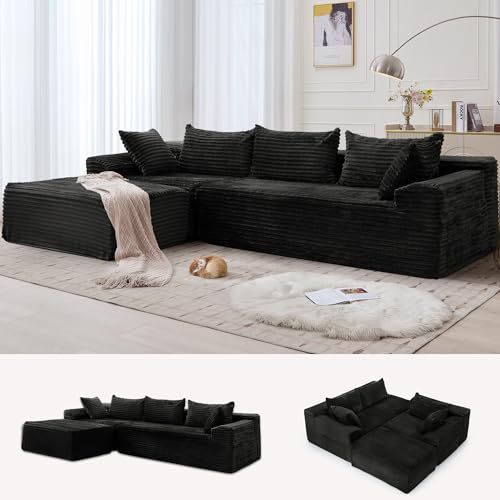


Incorporate multi-functional items to maximize utility. Consider ottomans that double as storage, or side tables that can be easily moved. This approach not only saves space but also enhances the room’s versatility.
Lastly, enhance the aesthetic appeal with strategic decor placement. Wall art and accent pieces should complement the arrangement. Position artwork at eye level and utilize mirrors to create the illusion of a more expansive environment.
Arranging Seating Areas for Comfort
Establish a focal point within the area, such as a fireplace or a television, and position sofas and chairs to face it. This creates a conversational atmosphere. Aim for a distance of about 8 to 10 feet between seats for optimal comfort.
For a smaller space, consider utilizing a sectional couch to maximize seating without overwhelming the area. Place it against a wall or as a divider between distinct zones, allowing traffic flow around it.
Incorporating Accessories
Add accent tables within arm’s reach of seating to enhance functionality. Ensure there’s ample space to navigate around them, ideally 18 inches from the seat. Include lighting options like floor lamps or table lamps to provide task lighting and create a cozy ambiance.
To personalize the arrangement, integrate rugs to define spaces. Choose a size that accommodates the front legs of the furniture, anchoring the arrangement and adding warmth to the environment.
Assessing the Space: Measuring and Planning
Measure the dimensions of the area accurately. Use a tape measure to determine the length and width of the space, noting any architectural features such as windows, doors, or built-ins. Create a scaled floor plan on graph paper or using design software to visualize the placement of each piece.
Mapping Zones
Identify different zones for various activities, such as lounging, reading, or entertaining. Allocate specific areas for seating, tables, and pathways. Maintain clear routes for movement, ensuring at least 30 inches of space for walking between pieces.
Evaluating Existing Pieces
Assess the size, shape, and functionality of your belongings. Prioritize larger items and assess how they interact with each other in terms of scale and proportion. Create a virtual or physical mock-up to test arrangements and explore various configurations before committing.
Consult design resources and inspirations to inform choices without being overwhelmed. Look for layouts that optimize comfort and functionality, ensuring visual balance across the space.
Choosing a Focal Point: Where to Start
Begin with identifying a standout feature, such as a fireplace, large window, or a media unit. This element serves as an anchor for arrangement. Position seating to promote engagement with the focal point, ensuring easy sightlines and comfort.
If no prominent feature exists, consider introducing an eye-catching art piece or an oversized piece of furniture like a striking sofa. This can create a visual draw and set the tone for the area.
Evaluate the scale of items. Larger objects should be balanced by smaller accessories to avoid overwhelming the space. Create a sense of harmony by repeating colors or materials found in the focal feature across other elements in the setting.
Once the focal point is established, orient other accents around it. For instance, side tables or decorative pieces might radiate outward, leading the eye around the entire area while maintaining interest. This layout fosters a cohesive atmosphere and delineates separate areas for various activities.
| Focal Point Options | Characteristics |
|---|---|
| Fireplace | Coziness, warmth, natural gathering spot |
| Large Window | Naturally lit, outdoor connection, scenic views |
| Artwork | Personal touch, styles vary, conversation starter |
| Entertainment Unit | Practicality, focus on leisure activities, central location |
By establishing a point of focus and orienting elements thoughtfully, I create a balanced and inviting atmosphere, making the space functional and aesthetically pleasing.
Arranging Seating: Optimal Layouts for Comfort
Begin by ensuring that seating provides unobstructed views of the key visual element in the area. Position chairs and sofas around a central coffee table, maintaining a distance of 18 inches for ease of access. This encourages conversation without compromising personal space.
If the area allows, opt for a circular or oval arrangement. This layout fosters connectivity among guests, creating an inviting atmosphere. Alternatively, a U-shape offers a cozy setup, ideal for gatherings, while also allowing movement around the perimeter.
In smaller spaces, prioritize multifunctional seating. Use ottomans or benches that can serve dual purposes–like additional seating or storage–enhancing utility without cluttering the environment.
Consider the proximity of seats to pathways. Leave at least 30 inches for clear passage, ensuring comfort and safety as people move throughout the space. This also aids in maintaining a flow that feels natural and harmonious.
For versatility, incorporate a mix of seating types, like upholstered chairs and contemporary stools. This diversity adds visual interest and accommodates various preferences, enhancing the overall aesthetic.
Lastly, be mindful of light sources. Position seats to benefit from natural light during the day while placing lamps or wall sconces for a warm ambiance in the evening. Balance is key to creating an inviting and comfortable environment.
Balancing the Room: Symmetry vs. Asymmetry
I recommend considering symmetry for a classic and formal atmosphere. Aligning seating and decor on either side of a central point, like a fireplace or artwork, creates harmony. This style is particularly effective in smaller spaces, as it adds a sense of order.
Asymmetry, on the other hand, introduces a dynamic and relaxed vibe. Arranging elements of varying sizes and shapes can lead to a more casual look. For instance, pairing a large sectional with a smaller accent chair can make the space feel inviting while maintaining balance through visual weight.
To achieve balance, use visual anchors. A large coffee table can center asymmetrical seating arrangements, tying disparate elements together. Place floor lamps or plants at opposing ends to create equilibrium.
Consider the flow of movement; both symmetry and asymmetry should allow for easy navigation while avoiding overcrowding. Assess the size and layout of the area to determine which approach suits best, adapting arrangements as needed to ensure functionality and aesthetic appeal.
Experiment with grouping items at varying heights and distances. This technique can enhance the overall look while maintaining balance, regardless of the style chosen. Pay attention to how light and color interact within the space, as these can also influence the effectiveness of the chosen method.
Incorporating Functionality: Multi-Use Furniture Solutions
Choose pieces that serve multiple purposes to maximize utility. For example, a coffee table with storage provides an area for decor while keeping items organized.
- Ottomans: These versatile items can function as extra seating, a footrest, or a surface for trays, making them indispensable.
- Sofa beds: Perfect for accommodating guests, a sofa bed allows for easy transformation from a seating area to a sleeping space.
- Nestable tables: Ideal for smaller environments, these can be tucked away when not in use or separated for larger gatherings.
- Bookshelf dividers: A shelf can act as a room divider, providing storage while delineating spaces without blocking light.
Prioritize adaptability in selections. For example, an extendable dining table allows for comfortable everyday use and expands for larger groups.
- Evaluate the frequency of gatherings to determine which items should offer multiple functionalities.
- Think about the size and layout of the space, opting for compact designs that don’t overwhelm.
- Experiment with arrangements that showcase these multi-functional pieces for optimum flow.
Incorporating creative solutions enables one to maintain organization without sacrificing style. Every piece can contribute to both aesthetic and practicality.
Enhancing Flow: Creating Space for Movement
Maintain clear pathways by ensuring at least 24 inches of space between key elements. This width accommodates a comfortable passage, allowing easy movement throughout the area.
Position larger seating options against walls or in corners to free up central space. Angling chairs can also add a dynamic touch while preserving flow, avoiding obstacles that disrupt the sightlines and pathways.
Utilize area rugs strategically to define zones while still allowing unobstructed movement. Rugs can anchor seating arrangements, yet should not impede the transitions between spaces.
Opt for lightweight items like ottomans or small stools, which can be easily rearranged as needed. Keeping these versatile pieces allows for reconfiguration based on the occasion while enhancing fluidity.
Incorporate multi-functional solutions, such as a coffee table with storage, to reduce clutter. This can help maintain an open, inviting feel and make it simpler to navigate.
Lastly, consider traffic patterns, ensuring entrances and exits are clear. Evaluate where people commonly flow through the area and adjust accordingly to enhance comfort and usability.
Personal Touches: Decorating Around Your Layout
Incorporating unique elements transforms a space from ordinary to extraordinary. Look for art pieces that resonate with you, whether it’s a family photo, a painting from a local artist, or a cherished souvenir. These touches offer an inviting atmosphere.
- Accessories: Use cushions, throws, and rugs to add texture and warmth. Choose patterns and colors that complement the overall scheme while reflecting personal style.
- Plants: Add greenery to infuse life. Consider low-maintenance varieties like succulents or snake plants to enhance air quality without much effort.
- Lighting: Mix ambient, task, and accent lighting for depth. Table lamps, floor lamps, or stylish light fixtures can create mood and highlight key areas.
- Books and Curios: Shelves filled with books and collectibles can become conversation starters. Arrange them by color or size for a visually appealing display.
- Personalized Decor: Consider items that tell a story, such as heirlooms or travel memorabilia, to bring character and a personal narrative to the environment.
Establish a balance by not overcrowding. Leave negative space to allow the eye to rest and prevent a cluttered look.
- Group items in odd numbers for a natural feel.
- Use trays to organize smaller objects and create a cohesive look.
- Rotate decor seasonally to keep the environment fresh and engaging.
Customizing each detail fosters an inviting and warm experience, making the area truly feel like home.


