Caleb Turner
If you’re looking for a bright update to your seasonal decor, consider using a high-quality primer that adheres well to surfaces. This will create an excellent base for your finish, ensuring durability and a smooth application.
Ensure that your chosen materials are clean and free from grease or dust. A simple wipe down with a cleaner will prepare the surface effectively for the transformation. After cleaning, allow the item to dry completely before proceeding.
Opt for a spray or a brush-on finish designed specifically for non-sanding applications. These products are formulated to bond seamlessly to existing coatings, allowing for a cohesive look without the need for extensive preparation. Apply multiple thin coats instead of one thick layer for better adherence and an even result.
Give ample drying time between each coat; this step is critical to achieving a professional look. Once your final coat dries, consider adding a clear protective finish to seal the surface and enhance longevity. This should help your refreshed pieces resist wear and tear while maintaining their new appearance.
Achieving a Perfect Finish on Your Project
For optimal results, it’s important to select a high-quality bonding primer specifically formulated for non-porous surfaces. This will allow the top coat to adhere properly and prevent chipping.


Follow these steps for the best outcome:
- Clean the Surface: Utilize a mild detergent and water to remove dust and grease. Dry thoroughly afterward.
- Apply Primer: Use a foam roller or a synthetic brush for a smooth application, ensuring even coverage in thin layers.
- Let It Dry: Allow sufficient drying time as per the product guidelines, typically around 2 hours, to ensure proper adhesion.
- Top Coat Application: Once dry, use a high-quality acrylic or chalky finish paint. Apply with a clean roller for a flawless texture.
- Multiple Layers: For full opacity, apply at least two to three layers, ensuring each coat dries as instructed before adding the next.
Consider using a spray gun for larger pieces, as it can provide an even coat and reduce brush marks.
Lastly, finish off with a clear water-based sealant to enhance durability and protect your finish from wear.
Understanding the Benefits of No-Sanding Techniques
Choosing methods that eliminate abrasive preparation helps streamline projects and preserve the surface’s natural beauty. Eliminating the need for abrasive tools significantly reduces the time required for transformation tasks. With this approach, I can focus on the application process itself, leading to a more enjoyable experience.
Time Efficiency
Skipping the grinding step allows for quicker project completion. I can efficiently apply a fresh coat, observing immediate results and satisfaction without the lengthy labor that traditional methods entail. This efficiency is particularly beneficial for those managing tight schedules or multiple tasks.
Surface Integrity
By avoiding roughening techniques, I maintain the integrity of the finish. No abrasion of the base material ensures that previous layers remain intact, preventing potential peeling or flaking in future applications. This preservation contributes to a longer-lasting, more resilient outcome.
Choosing the Right Type of Paint for Wood
For achieving a successful finish, I’ve found that using a primer designed for adhesion on furniture surfaces can make a significant difference. Look for a product labeled bonding primer or sticking primer. This will give the final coat something to cling to, ensuring durability.
Next, opt for a acrylic or latex formula instead of oil-based options. Water-based options dry faster and have less odor, making them more user-friendly for indoor projects. They also clean up with soap and water, simplifying the process.
Consider the sheen level as well. A semi-gloss or satin finish not only adds a polished look but also enhances durability, making it easier to wipe off any marks or fingerprints.
Test a small area with your chosen product before completing the whole piece. This will help ensure compatibility with the existing surface and let you adjust the color if necessary. Ensure that any paint is thoroughly mixed before application for a consistent result.
Finally, ensure that the paint is labeled as suitable for furniture or similar applications. This will provide peace of mind regarding durability against daily wear and tear.
Preparing Furniture: Cleaning and Repairing Surfaces
I always begin by thoroughly cleaning the item. Use a solution of mild soap and water to remove dirt and grime. A soft cloth or sponge works best to avoid scratching the finish. After cleaning, I ensure that the surface is completely dry before proceeding to any repairs.
If I notice any scratches or dents, I fill them with a wood filler that matches the original finish. After applying the filler, I smooth it with a putty knife and allow it to dry completely. Once dry, I gently sand the filled areas with fine-grit sandpaper, just enough to make the surface level, and then wipe away any dust with a damp cloth.
In cases where the surface has oil or wax buildup, I use a specialized cleaner to strip it away. This ensures better adhesion for the upcoming transformation. It’s crucial to thoroughly clean any residues after using these products to avoid compromising the new coating.
Inspect the item for loose joints or structural issues. If I find any, I tighten screws or apply glue where necessary. Properly securing these areas avoids future complications and ensures durability after the refinishing.
Once clean, filled, and repaired, I allow the piece to rest for a brief period, ensuring everything is set before I continue with the transformation. This preparation is key to achieving a flawless finish that lasts.
Using Primer to Enhance Paint Adhesion
Applying a high-quality primer significantly improves the bond between the surface and the finish layer. I prefer to work with products specifically designed for adhering to various surfaces, even those that are glossy. These formulations often include adhesion promoters that help achieve a strong grip, reducing the risk of chipping or peeling later on.
Before starting, ensure the surface is thoroughly cleaned to eliminate any grease or residue. I typically use a mild detergent mixed with water for this purpose. Once clean and dried, I apply the primer in thin, even coats. This approach not only smooths out imperfections but also creates a uniform base for the topcoat.
Drying times can vary, so I always check the manufacturer’s instructions. I usually wait at least a couple of hours or until it feels dry to the touch before proceeding to apply the finish layer. This step is crucial since a properly dried primer will lead to better results in the final application.
If I’m dealing with darker colors or stains beneath, a stain-blocking primer is a must. It prevents any discoloration from bleeding through, ensuring the final color appears true and consistent. This choice further enhances the durability of the completed project.
Finally, I always recommend lightly scuffing the primer layer with fine-grit sandpaper before applying the topcoat. This creates a micro-textured surface, allowing the final layer to bond even more effectively.
Choosing the Right Brushes and Tools for Application
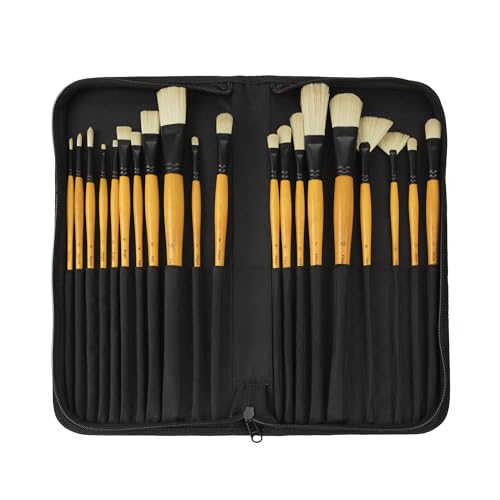
Opt for synthetic bristle brushes for a smooth finish. They hold and release latex-based liquids effectively, ensuring an even coat. For tighter spaces and intricate details, a smaller brush or an angled brush will provide better precision.
Recommended Brush Sizes
- 2- to 3-inch brush: Ideal for broad surfaces.
- 1-inch brush: Suited for corners and detailed areas.
A foam roller can be beneficial for achieving a uniform layer. Choose a low-nap roller to minimize texture on flat surfaces.
Essential Tools
- Drop cloths: Protect floors and surrounding areas.
- Paint tray: Allows for easy loading of brushes and rollers.
- Masking tape: Helps achieve clean lines around trim and edges.
- Stir sticks: Useful for mixing the formula thoroughly before application.
Invest in high-quality tools, as they can significantly affect the final outcome. After use, clean tools promptly to maintain their longevity and effectiveness for future projects.
Steps for Applying Coating Evenly
Ensure proper technique for a flawless finish by using long, even strokes. I prefer a high-quality synthetic brush for even application. Dip the brush into the mixture, removing excess to prevent drips. Maintaining a wet edge while working helps avoid visible lines. I apply in small sections, allowing each to slightly overlap for uniformity.
Start at one corner and work your way across the surface. If I notice any paint pooling, I lightly brush over those areas to distribute the material evenly. I also find that rotating the brush as I move helps achieve a smoother look.
If I’m using a spray can, I keep the nozzle at a consistent distance and move in a steady motion. I make sure to spray lightly to avoid runs. A good tip is to apply several thin layers instead of one thick coat; this minimizes drips and promotes an even texture.
For hard-to-reach areas, I utilize foam applicators or smaller brushes. This ensures all parts are adequately covered, reducing the chances of missing spots. Patience is key; letting each layer dry fully before applying the next is crucial for achieving the desired opacity.
Finally, I inspect the final coat for any inconsistencies. If I notice flaws, a light sanding with fine grit paper can quickly remedy them before applying a touch-up layer. A careful approach will yield a professional-looking outcome.
Tips for Achieving a Smooth Finish with Topcoats
For a flawless final touch, ensure the topcoat is compatible with the undercoat. Use products designed to work together for seamless results.
Apply in thin coats. Multiple light layers yield a better finish than one thick layer. This prevents drips and allows each coat to dry evenly.
Maintain a wet edge while working. This means keeping a consistent application zone without letting the previous layer dry completely, which supports uniform adhesion.
Consider using a foam roller or a high-quality synthetic brush to eliminate brush marks and achieve an even texture. Both tools can distribute the finish smoothly.
Allow adequate drying time between layers. Following manufacturers’ recommendations ensures that each coat cures properly, enhancing durability and appearance.
Keep the work area dust-free. A clean environment reduces the chance of particles settling into the topcoat, which can mar the finish.
If any imperfections arise, lightly sand the surface after the final coat dries, using fine-grit sandpaper, to create a smoother base for additional layers.
Lastly, applying a clear sealer can provide extra protection and enhance the sheen, reinforcing the overall quality of the finish. Choose a sealer that complements the topcoat to maintain aesthetic appeal.
Maintaining and Caring for Light-Colored Decor
Regular care is essential for preserving the appearance of light shades on surfaces. I recommend using a microfiber cloth for dusting to avoid scratches. A gentle cleaning solution composed of warm water and a mild soap will help tackle stains. Make sure to keep any abrasive cleaners away from the surface to prevent damage.
Dealing with Stains
For stubborn spots, create a paste from baking soda and water. Apply it gently with a soft cloth, ensuring not to scrub harshly. In case of liquid spills, blot them immediately with a clean cloth to avoid staining. An additional tip is to apply a thin layer of a clear coat to enhance durability and ease of cleaning.
Preventative Measures
Placing coasters, placemats, or table runners helps shield surfaces from scratches and heat. Avoid direct sunlight exposure, which can cause discoloration over time. Adjusting room temperature and humidity also contributes to the longevity of the finish.
| Maintenance Task | Frequency |
|---|---|
| Dusting | Weekly |
| Deep Cleaning | Monthly |
| Inspect for Damage | Seasonally |
| Reapply Protective Finish | Annually |