
 Caleb Turner

Preparation is key. I thoroughly cleaned the surface with a mixture of soap and water to remove any dirt or grease. After drying, I lightly sanded the area to create a texture for better adhesion. This step is crucial; it ensures that the chosen coating adheres well and lasts longer.
Choosing the right product is essential. For this project, I selected a high-quality acrylic-based coating designed for synthetic surfaces. This type offers durability and flexibility, making it ideal for surfaces prone to wear and tear. It’s important to read the labels and ensure compatibility with the material at hand.
Application is where technique shines. I used a foam brush for a smooth finish, applying thin layers rather than one thick coat. This approach not only minimizes drips but also allows for better drying and curing. I waited the recommended time between coats, usually about two hours, and lightly sanded between each application to achieve a professional look.
Sealing the surface with a clear topcoat is the final touch. This step enhances the longevity of the color and adds an extra layer of protection against scratches and stains. I made sure to select a topcoat that matched the finish I desired, whether matte, satin, or glossy.



Detailed Steps for Transforming Synthetic Timber Pieces
Thoroughly clean the surface with a mixture of warm water and mild detergent to remove grime and oils. Afterward, rinse and dry completely.
Next, lightly sand the entire area with fine-grit sandpaper. This creates a key for the new layer, ensuring better adhesion. Focus on edges and any textured spots.
After sanding, wipe down the surface with a damp cloth to remove dust, then allow it to dry once more.
Apply a high-quality primer specifically designed for non-porous surfaces. A foam roller or brush works best for an even coat. Opt for a tinted primer to enhance the final color.
Once the primer dries, proceed with the chosen topcoat. Use a spray paint for a smooth, uniform finish or a brush for controlled application. A minimum of two coats is recommended, allowing complete drying between applications.
Finish with a clear sealer or topcoat to protect the finish from wear. This step helps maintain the integrity of the look and prolongs durability.
For maintenance, clean with a soft cloth and mild soap, avoiding harsh chemicals that could damage the surface. Regular upkeep keeps your piece looking fresh and vibrant.
Choosing the Right Paint for Vinyl Wood
I recommend using acrylic latex as the primary option for coating synthetic timber. This type of product adheres well to non-porous surfaces and offers durability against wear and tear. Look for formulations specifically designed for materials similar to yours, as these provide superior bonding and flexibility. Consider products labeled as suitable for “high-traffic” applications, ensuring longevity even in actively used environments.
Finish Options
Selecting the right finish is as crucial as the color choice. Satin finishes are often preferred for their balance of sheen and practicality, making them easy to clean while still providing an attractive appearance. Semi-gloss can be beneficial in areas prone to moisture, as it resists stains and wipe marks better than matte variants.
Color Selection
Choose hues that complement the overall aesthetic you want to achieve. Lighter shades can create an airy feel, while deeper tones provide warmth. Test samples on a small area before committing; sometimes, the final appearance can differ once the coating is applied. Always opt for paints labeled as low-VOC to ensure a healthier indoor environment.
Preparing the Surface for Painting
Thoroughly clean the surface with a mixture of mild soap and water. Use a soft cloth to wipe away dust and grime, ensuring a smooth area for application. After drying, I lightly sand the entire surface using fine-grit sandpaper to create a better adhesion point for the coating.
Removing Gloss and Imperfections
If the item has a glossy finish, additional sanding helps to dull the sheen. This step enhances the bond between the new layer and the existing finish. Fill any cracks or holes with a suitable filler, allowing it to dry completely before sanding smooth.
Final Cleaning and Priming
Once the surface is prepped, I dust it off with a clean cloth and apply a primer made for this type of material. Primer is crucial; it prevents the original hue from bleeding through and allows the pigment to adhere effectively. After applying the primer, I let it cure according to the manufacturer’s instructions, ensuring it provides a robust base for the final coating.
Selecting Appropriate Brushes and Tools
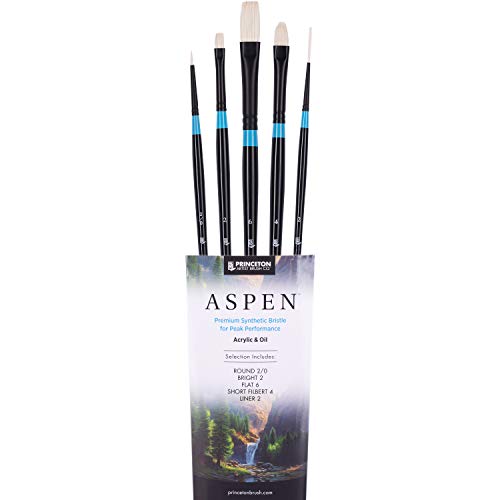
For optimal application, I prefer using synthetic brushes for this project. They resist moisture and are ideal for achieving a smooth finish. A flat, angled brush works wonders for larger surfaces, while a smaller round brush is perfect for detailed areas and edges.
Rollers and Pads
- Foam rollers are excellent for even coverage on flat surfaces.
- Napped rollers provide texture, enhancing grip and adherence.
- Painting pads offer precision and can be useful for tight spots or corners.
Additive Tools
A paint tray with a liner simplifies the process and keeps things tidy. I always keep a small bucket of water handy for cleaning my brushes between strokes to prevent drying. Additionally, having a drop cloth and painter’s tape on hand protects areas and creates crisp lines.
Finally, ensure I have a level surface to work on. A paint stirrer is also critical for mixing the finish evenly. By selecting the right tools, I guarantee a productive and enjoyable project.
Applying Primer on Vinyl Wood Furniture
Before I apply any finish, I always start with a high-quality bonding primer specifically designed for non-porous surfaces. This step is crucial for ensuring the topcoat adheres properly and lasts longer.
I ensure the piece is clean and free of dust or grease. Using a lint-free cloth, I wipe down the surface with a mild cleaner. Allow it to dry completely before proceeding.
Next, I use a foam roller or a synthetic bristle brush for uniform application. The roller helps cover larger areas quickly, while the brush is perfect for corners and detailed work. I apply a thin layer of primer, checking for runs or drips, which I smooth out immediately.
After the first coat dries, which typically takes a few hours depending on the temperature, I sand lightly with fine-grit sandpaper to create a smooth surface. This step enhances adhesion and allows for better finish quality.
I always wipe the surface again to remove any dust from sanding. Then, I apply a second coat of primer, repeating the drying and sanding process. Two coats are usually sufficient for optimal coverage. This preparation lays a strong foundation for the desired final appearance.
Once the primer is fully cured, I’m ready to move on to the final coating with my chosen color, ensuring a durable and attractive finish.
Techniques for Evenly Applying Coating on Synthetic Surfaces
For uniform application on synthetic surfaces, I recommend using a high-density foam roller. This tool minimizes texture and prevents bubbles from forming, ensuring a smooth finish. Rollers are perfect for larger areas, while a fine-tipped synthetic brush works great for edges and detailed spots. A combination of both will yield the best results.
Maintaining a wet edge is crucial during the process. Working in small sections allows for blending and prevents visible lines where layers meet. Be sure to apply the mixture in thin, even coats. Thin layers dry faster and reduce the risk of drips, which can compromise the flat look.
I also advise to tackle one side at a time. This approach limits the potential for mishaps and allows for thorough attention to detail without distractions. Pausing to let each section dry according to the manufacturer’s guidelines will enhance durability.
| Technique | Description |
|---|---|
| Foam Roller | Ideal for large areas, creates a smooth surface with minimal texture. |
| Fine-Tipped Brush | Best for corners and edges, ensures precision in detailed areas. |
| Wet Edge | Maintaining an unsealed edge during application prevents visible lines. |
| Thin Coats | Applying in layers reduces drips and promotes faster drying. |
| One Side at a Time | Focuses on one area to prevent mistakes and enhances detail. |
After completing each layer, carefully inspect the surface under good lighting for any imperfections. If necessary, lightly sand between coats once fully dry to eliminate any imperfections, ensuring a flawless final appearance.
Drying Times and Storing Furniture Properly
I recommend allowing the applied finish to dry completely before moving or using the pieces. Typical drying times can vary based on the type of coating used, the amount applied, and environmental conditions. Generally, it takes around 4 to 6 hours for the first coat to become touch-dry. However, for optimal results, aim for a full cure time of at least 24 hours before reintegrating items into your space.
Drying Guidelines
- Light Coats: Apply thin, even layers. Each coat dries faster, typically within 3-4 hours.
- Humidity Factor: Higher humidity levels often extend drying periods. Ensure adequate ventilation.
- Temperature: Ideal drying occurs between 70°F to 80°F (21°C to 27°C). Extreme temperatures can hinder the process.
Storage Recommendations
While waiting for everything to cure, proper storage is crucial to avoid damage. Follow these suggestions:
- Avoid placing items in damp or humid environments; moisture can compromise the finish.
- Store items in a cool, dry place, away from direct sunlight, which can warp or fade surfaces.
- Utilize protective sheets or clean cloths to cover pieces, preventing dust accumulation and scratches during the drying phase.
Reposition the pieces only after confirming that the finish has fully dried to maintain their pristine appearance for longer. By adhering to these guidelines, I ensure that the results are not only durable but also visually appealing over time.
Applying a Protective Sealer After Painting
To ensure durability and longevity, I always apply a protective sealer post-application. A good option is a water-based polyurethane, which dries clear and provides a resilient finish. After the painted surface has fully cured, usually after a few days, I start with a light sanding using fine-grit sandpaper to create a smooth surface for the sealant.
I focus on cleaning the surface thoroughly to remove any dust or debris from sanding. Using a lint-free cloth and mild soap is effective. Once the surface is prepared, I apply the sealer with a high-quality synthetic brush or foam applicator to avoid brush marks. It’s crucial to apply thin, even coats, allowing each to dry completely before applying the next. Typically, I prefer to use at least two coats of sealer for optimal protection.
Final Curing and Maintenance
After completing the sealing process, I allow the final coat to cure fully for several days, ensuring maximum hardness and resistance to wear. Regular maintenance involves checking for scratches or chips and addressing them promptly to prevent further damage. For cleaning, I use a soft, damp cloth and avoid harsh chemicals that could compromise the finish.
Benefits of Using a Sealer
Applying a protective layer not only enhances the aesthetic appeal but also shields against moisture, stains, and everyday wear. By investing this extra time, I significantly extend the life of my refinished surfaces, ensuring they remain attractive and functional for years.
Maintenance Tips for Painted Vinyl Furniture
Regularly dust surfaces using a microfiber cloth to prevent grime buildup. This will help maintain the finish and appearance of the surfaces over time.
For cleaning, I prefer using a mild soap mixed with warm water. I dampen a soft cloth and gently wipe the surfaces, avoiding any abrasive materials that could scratch the coating.
After cleaning, I always dry the surfaces completely to prevent moisture-related damage. It helps to use a dry microfiber cloth for this purpose.
To avoid chips or scratches, I avoid placing hot items directly on the newly coated surfaces. Instead, I use coasters or trivets for any heated objects.
Periodically inspect for signs of wear or damage. Early detection allows for quick touch-ups, ensuring that the finish remains intact.
If I notice any areas needing attention, I lightly sand the affected spot and apply a small amount of matching paint. This ensures seamless repairs without altering the overall look.
While water-resistant finishes are ideal, I still keep beverages away from surfaces to avoid potential spills and stains.
For long-term preservation, I apply a layer of protective sealant every couple of years. This reinforces durability and enhances the finish by providing extra resistance to everyday wear.
FAQ:
What materials do I need to paint vinyl wood furniture?
To paint vinyl wood furniture, you’ll need several materials: a high-quality primer designed for vinyl surfaces, acrylic or latex paint suitable for furniture, a foam roller or a brush for applying paint, sandpaper for surface preparation, and a clear topcoat for protection. It’s also helpful to have painter’s tape to protect non-painted areas and drop cloths to catch any drips.
Can I paint vinyl wood furniture without stripping the old finish?
Yes, you can paint vinyl wood furniture without stripping the old finish. It’s recommended to clean the surface thoroughly and lightly sand it to improve adhesion. Using a primer specifically formulated for vinyl surfaces will help the paint adhere better and provide a smooth finish. This method saves time and effort compared to stripping.
How long does it take for the paint to dry on vinyl wood furniture?
The drying time can vary based on the type of paint used, the thickness of the application, and environmental conditions. Generally, latex paint may dry to the touch within 1-2 hours, but it’s advisable to wait at least 24 hours before applying a second coat or topcoat to ensure proper curing and adhesion.
What type of paint works best for vinyl wood furniture?
The best type of paint for vinyl wood furniture is acrylic or latex paint, as these provide good adhesion and durability. Look for paints specifically marketed for use on furniture or that are formulated for vinyl applications. These paints have properties that allow them to flex with the surface and resist chipping or peeling.
How can I ensure a smooth finish when painting vinyl wood furniture?
To achieve a smooth finish, start by properly preparing the surface. Clean it thoroughly and sand lightly to create a better bond for the paint. Apply a quality primer designed for vinyl to help the paint adhere smoothly. Use a foam roller for a more even application and avoid brush strokes. Multiple thin coats of paint will yield a smoother finish than one thick coat. Lastly, finish with a clear topcoat for added durability and a polished look.
What materials do I need to paint vinyl wood furniture?
To paint vinyl wood furniture, you will need several materials. First, gather sandpaper (around 220-grit), a clean cloth, a high-quality primer suitable for vinyl, acrylic or chalk paint for the finish, a paintbrush or roller, and a sealer or topcoat for durability. It’s also helpful to have painter’s tape to protect areas you don’t want to paint, and drop cloths to catch any spills or drips. Ensuring you have ventilation in your workspace is also important when working with paints and primers.


