Caleb Turner

Begin with a high-quality primer to ensure proper adhesion on the chosen piece. Carefully apply the primer using a brush or roller, allowing it to dry fully before proceeding. This step significantly enhances the longevity of your design.
Opt for acrylic paints in various shades that mirror the natural hues of blooms. A combination of deep reds, soft pinks, and creamy whites will create a striking contrast against the backdrop. Use a fine brush for detailing work, focusing on petal shapes to achieve a lifelike appearance.
Blending colors will enrich the visual depth; practice merging tones on a separate surface before applying them directly to your item. Incorporate a soft, dry brush technique to create shadows and highlights for additional dimension, giving your floral motif a three-dimensional look.
Seal your masterpiece with a clear protective finish, allowing the beauty you’ve crafted to remain intact over time. This final touch ensures durability and makes cleaning effortless, safeguarding your artistic touches from daily wear and tear.
Techniques for Floral Artistry on Surface Items
Begin with a well-prepared base; ensure the item is clean and sanded if necessary. Select a suitable primer for better adhesion of your colors, particularly if the surface is glossy.
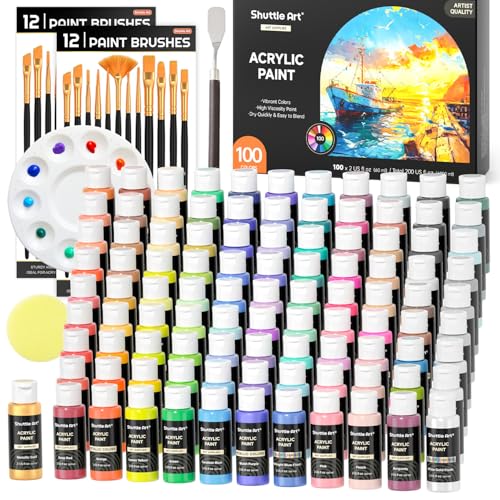


Utilize a fine-tip brush for detailed work on petals. Mix shades directly on the palette for depth; incorporate lighter tints for highlights and darker hues for shadows. Layering creates dimension–apply multiple coats, allowing each to dry before adding the next.
For a more dynamic appearance, incorporate contrasting colors that complement your main palette. Implementing a sponge or a stippling brush can introduce texture, simulating the natural variations found in petals.
Don’t hesitate to add leaf accents to enhance the overall composition. Choose greens that harmonize with the floral tones to create a cohesive look. Vary the shapes and sizes of foliage for a more organic feel.
Finish with a protective sealant to guard against wear. Opt for a matte or satin topcoat depending on the intended aesthetic; ensure compatibility with your chosen paint types.
Selecting the Right Type of Furniture for Painting
For transforming surfaces with floral designs, I lean towards wood, metal, and high-quality MDF. Each of these materials ensures durability and adherence of my designs.
Wood
I prefer solid or laminate wood pieces, as they absorb colors well and provide a fine finish. Avoid overly glossy finishes; instead, look for sanded surfaces that allow for better paint application.
Metal and MDF
Metal adds a contemporary touch. I suggest rust-resistant coatings when working with metal for longevity. High-density MDF boards are also effective, offering a smooth canvas. Ensure they are prepped with primer for optimal results.
Gathering Necessary Painting Supplies and Tools
First, I recommend collecting high-quality acrylic paints for the task. These offer excellent coverage and durability, and they adhere well to most surfaces.
Basic Supplies
- Acrylic paints in various colors.
- Primer suitable for the base material of the item.
- Sealer or topcoat for finishing touches.
Brushes and Tools
- Flat brushes in different widths for broader strokes.
- Fine detail brushes for intricate petals and leaves.
- Sponge or stencil brushes for texture.
- Palette for mixing colors.
- Water container for rinsing brushes.
- Clean cloths for drying hands and tools.
Having a well-organized workspace makes a difference. Gather newspaper or a drop cloth to protect surfaces from spills and splatters.
Finally, set aside some painter’s tape to create clean lines and edges. This will ensure precision, especially on textured or curved surfaces.
Preparing the Surface for Optimal Adhesion
I ensure that the surface is thoroughly cleaned before application. I use a mixture of warm water and mild detergent to remove grease and dust, followed by a proper rinse with clean water.
For worn or glossy finishes, I take the extra step of lightly sanding the area using fine-grit sandpaper. This creates a texture that promotes bonding, significantly reducing the likelihood of peeling in the future.
After sanding, I wipe the surface again to eliminate any sanding dust. I might also apply a quality primer designed for the material to enhance adherence, especially on surfaces that were previously finished or treated.
I pay special attention to any areas that show signs of damage or wear. Filling in cracks or imperfections with wood filler guarantees a seamless look and avoids any issues with uneven application once I begin the design.
Lastly, I allow any repairs or priming to fully cure according to the manufacturer’s instructions. Patience at this stage sets the foundation for a long-lasting and beautiful outcome.
Choosing the Right Colors for Your Rose Design
Opt for a base palette that complements the existing tones of your piece. Choosing a harmonious color scheme enhances the overall aesthetic.
Consider these color combinations for your floral motif:
| Primary Color | Complementary Shade | Accent Color |
|---|---|---|
| Soft Pink | Cream | Gold |
| Deep Red | Muted Green | Ivory |
| Lavender | Gray | Silver |
| Coral | Teal | Bronze |
Test your selected shades on a small area first. This allows you to visualize how they interact under different lighting conditions. Aim for colors that evoke the look of natural blooms, adding realism and depth.
Consider using a combination of matte and gloss finishes. A matte base with glossy accents can create visual interest, making your creation stand out.
Finally, take into account the location of your piece. Lighter hues work well in sunlit spaces, while deeper tones might enhance a cozier atmosphere.
Creating a Guide or Template for Flower Patterns
Use graph paper for precise measurements when designing floral motifs. Each square can represent a scale that makes it easier to visualize your layout. Start with a basic outline of the floral elements; this serves as a skeleton for your final design.
Developing a Template
Draw different variations of the blossoms, including sizes and arrangements. Choose the most appealing design and simplify it, preserving essential features that define the species. Consider using templates that can be traced directly onto the chosen surface.
Pattern Application Techniques
An effective way to transfer your design is to use the carbon paper method. Place carbon paper beneath your template and trace the outline. Alternatively, you can use a light pencil to sketch the design lightly, making it easy to adjust as needed.
| Element | Tip |
|---|---|
| Shapes | Focus on petals and leaves’ curvature to make them look natural. |
| Spacing | Ensure even spacing between elements to maintain balance. |
| Color Blocks | Use light colors for underpainting to avoid overpowering the design. |
| Final Touch | Add fine details with a small brush once the base is dry. |
Experiment with the orientation of the motifs to find the most aesthetically pleasing arrangement. Tailor your template to fit any piece, ensuring it aligns with the overall aesthetics of the décor.
Applying Base Coats Before Painting Roses
For best results, I always apply at least one base coat prior to detailing my floral designs. Choosing a suitable primer is key; I prefer a water-based primer for its quick drying time and ease of cleanup. This initial layer effectively creates a smooth canvas, enhancing adhesion of subsequent colors.
I ensure the surface is clean and free from dust before starting. If I’m working with darker wooden surfaces, I select a white or light-colored primer to make the top layers more vibrant. After applying the primer, I allow it to dry fully according to the manufacturer’s instructions, typically around one to two hours.
Once dried, I gently sand the surface with fine-grit sandpaper. This step provides additional texture for the next layer while eliminating any imperfections. After sanding, I wipe down the area with a damp cloth to remove any dust particles, ensuring a flawless finish.
For intricate designs, I might add a second base coat to achieve even greater depth and clarity in my colors. Each base layer needs proper drying time to avoid smudging when applying the detailed patterns later on.
Painting Techniques for Achieving Realistic Rose Effects
I recommend using layering techniques to mimic the natural depth of flower petals. Begin with a light base color, applying it evenly across the designated area. Once this layer dries, mix a slightly darker shade and apply it in a circular motion to create shadow effects, enhancing the dimensionality of the blooms.
Utilizing a dry brush technique can also yield stunning results. After applying the base layer, I lightly dip a dry brush into a contrasting color and sweep it across the petals to create highlights and texture, allowing the underlying color to peek through. This approach adds a delicate realism to each bloom.
Blending is essential for smooth transitions between colors. For this, I use a soft, damp brush to blend edges where two colors meet, ensuring there are no harsh lines. This technique helps to replicate the soft gradation often seen in actual petals.
Selecting the right tools is crucial. A variety of brushes–flat, round, and pointed–each serve different purposes. A fine-tipped brush works well for detailing the inner petals and adding depth to the flower centers.
Experimenting with texture can also elevate the final look. Incorporating a sponge for stippling or using a palette knife for thicker applications can create unique petal surfaces that reflect light more convincingly.
Lastly, always work from background to foreground, layering each successive detail to ensure that the final pieces feel cohesive rather than cluttered. This method will help encapsulate the intricate beauty of floral patterns, making them truly stand out.
Adding Finishing Touches and Protective Coatings
After completing the floral design, applying a protective layer is crucial for durability. I recommend using water-based polycrylic for its quick-drying properties and clear finish. This enhances the artwork while providing a barrier against scratches and moisture.
Here’s a step-by-step process for achieving a flawless finish:
- Ensure the painted surface is completely dry before applying any coating.
- Lightly sand the surface with fine-grit sandpaper (220 grit) to smooth out imperfections. Be sure to wipe away any dust with a clean, dry cloth.
- Dip a clean brush into the polycrylic, removing excess product to avoid drips.
- Apply thin, even coats, brushing in the same direction as the wood grain. Multiple light layers prevent buildup and maintain the appearance of the artwork.
- Allow each coat to dry according to the manufacturer’s instructions. Lightly sand between coats for a super-smooth finish, repeating until achieving the desired protection level.
For added protection against wear, I suggest applying a final coat every six months to a year, especially for pieces used frequently.
Additionally, consider incorporating decorative finishes like antiquing or glazing to enhance the character of the piece. These techniques not only provide depth but also blend seamlessly with the floral elements.
Finally, store the furniture appropriately to prolong its beauty. Avoid direct sunlight and extreme humidity, as these factors can cause fading and warping over time.
Maintaining Painted Items to Preserve Artwork
To ensure the longevity of the floral decorations on your items, follow these specific maintenance practices:
Regular Cleaning
- Use a soft, dry cloth to remove dust and debris. Avoid abrasive materials that may scratch the finish.
- If necessary, slightly dampen the cloth with water. Avoid soaking the surface, as excess moisture can damage the underlying layers.
Avoiding Direct Sunlight
- Place your decorated pieces out of direct sunlight to prevent fading and discoloration of the colors.
- Consider using sheer curtains or blinds to filter light if items are in sunny areas.
Temperature and Humidity Control
- Maintain consistent temperature and humidity levels. Extreme fluctuations can cause paint to crack or chip.
- Avoid placing decorated items near heat sources such as radiators or air conditioning vents.
Protective Coatings
- Apply a clear wax or protective sealant to the surface periodically, as this will help to guard against scratches and stains.
- Reapply every 6 to 12 months or as needed based on wear and tear.
Repairing Damage Promptly
- Address any scratches or chips immediately to prevent further damage. Use touch-up paint that matches your design.
- For larger areas of damage, consider repainting that section following the original techniques used.
By following these guidelines, I can ensure the beauty of the artistry remains intact, enhancing the charm of the room for years to come.