
 Caleb Turner

Choose a quality primer that adheres well to the surface of untreated planks. Apply it evenly with a brush or roller to ensure proper coverage and prepare the base for the following layers.
Once the primer is dry, select a high-grade finish suitable for internal use. Opt for options that enhance the natural grain while providing durability against daily wear. Use a fine-grit sandpaper between coats to achieve a smooth, flawless texture.
Consider incorporating a protective clear coat after the final layer has cured. This additional step will safeguard the surface from scratches and stains, ensuring that your revitalized creations maintain their appeal for years to come.
Preparing the Surface Properly
Before applying any color, I ensure the surface is clean and smooth. I start by sanding the item with fine-grit sandpaper (220-grit) to eliminate any rough spots and to create a good texture for adhesion. After sanding, I wipe the surface down with a damp cloth to remove dust particles, allowing for a pristine base.

Choosing the Right Products
Selection of materials is key. I opt for a high-quality primer formulated specifically for porous surfaces. This step enhances adhesion and reduces the number of coats required. For the finish, I prefer a satin or semi-gloss acrylic or latex option, as it provides durability and ease of cleaning.
Application Technique
I utilize a synthetic bristle brush or a foam roller for application. I begin with the primer, applying it in thin, even layers to avoid drips and ensure a smooth foundation. After the primer dries, I lightly sand it again to eliminate any imperfections. The same technique applies to the final coat, which I apply in multiple thin layers, allowing adequate drying time between applications.
Sealing and Protecting
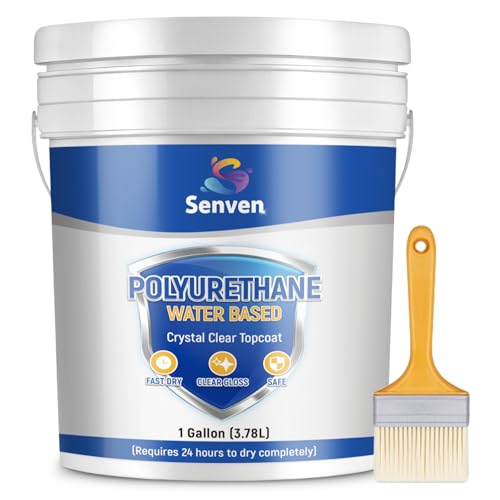
Once the final coat is dry, I consider applying a sealant for extra protection, especially in high-use areas. A clear, water-based polyurethane offers durability while maintaining the integrity of the color beneath it. I make sure to follow the manufacturer’s instructions concerning drying times.
Maintenance Tips
To keep the appearance fresh, I recommend regular dusting with a damp cloth. Avoid harsh chemicals that may damage the finish. For minor scratches, a quick touch-up with the same hue can restore the piece to its former glory.
Choosing the Right Paint for Raw Wood
Select a product specifically designed for untreated surfaces. Acrylic latex is a popular choice, offering good adhesion and flexibility. It dries quickly and can be cleaned up with water, making it user-friendly.
Finish Options
Consider the finish you desire. Matte finishes conceal imperfections well, while satin provides a soft sheen and durability. Glossy finishes are more reflective and easier to clean but may highlight flaws.
Color Selection
When choosing a hue, test samples on a small area to see how they look against the natural grain. Lighter shades can create an airy feel, while dark tones add sophistication. Keep in mind that certain colors may require additional coats for complete coverage.
Always check for compatibility with the primer if you’re using one. Products meant for different surfaces may not adhere properly and could lead to peeling or chipping over time. Opt for non-toxic and low-VOC formulations if safety and environmental impact are priorities.
Preparing the Surface for Painting
Begin with cleaning the item thoroughly to remove dust and debris. A damp cloth works well for this purpose. Let it dry completely before proceeding.
Sanding the Surface
Use fine-grit sandpaper (220 grit) to smooth out imperfections and open up the grain. Sand in the direction of the fibers to avoid scratches. This step ensures better adhesion for the coating. After sanding, wipe down the piece again with a damp cloth or tack cloth to eliminate any dust.
Sealing Gaps and Holes
If there are any cracks, gaps, or holes, fill them with a suitable wood filler before finishing. Apply the filler as per the manufacturer’s instructions, and allow it to cure completely. Once cured, sand the filled areas until they are flush with the surrounding textures.
| Task | Material/Tools |
|---|---|
| Clean the surface | Damp cloth |
| Sanding | Fine-grit sandpaper (220 grit) |
| Wipe down | Damp or tack cloth |
| Fill gaps and holes | Wood filler |
| Smooth filled areas | Sanding block |
Ensuring a well-prepared surface is paramount for achieving a professional finish.
Selecting the Best Brushes and Tools
I recommend using high-quality synthetic brushes for smoother application on your surface. Their filaments are designed to hold paint well and distribute it evenly. Choose brushes in various sizes to accommodate different areas, ensuring precision work on intricate details.
For broader surfaces, a foam roller can deliver a uniform finish quickly. Opt for a 4-inch roller for edges and corners and a larger size for expansive sections.
Specific tools to consider include:
- Angled brushes: Ideal for trim and tight spaces.
- Flat brushes: Great for larger areas.
- Rollers: Efficient for covering substantial surfaces.
- Paint trays: Helps manage paint without spills.
- Drop cloths: Protect your floors from splatters.
Using a painter’s tape will enhance crisp edges. Before starting, ensure all tools are clean and free from previous residues. After you’re done, clean brushes with warm water and soap immediately to maintain their quality for future use.
With the right combination of these brushes and tools, achieving a professional look becomes much simpler.
Applying Primer to Enhance Paint Adherence
I recommend using a quality primer specifically designed for porous surfaces. Choose a water-based formula for easy cleanup and lower odor. Apply an even coat using a roller for large areas and a brush for corners and edges. Allow the primer to dry completely according to the manufacturer’s instructions before applying the top coat.
Techniques for Application
<p Start from one corner and work your way across the surface methodically, maintaining a wet edge to avoid overlapping marks. If the surface is particularly textured or rough, a second coat of primer may be necessary to ensure complete coverage and create a smooth base for the final finish.
Benefits of Primer
<p Using a primer not only improves the adhesion of the final layer, preventing peeling and chipping, but it also helps in achieving more accurate color representation. This is especially important for darker or more vibrant hues, as they may require fewer coats over a primed surface, saving both time and materials in the long run.
Techniques for Evenly Applying Paint
To achieve a smooth finish, I utilize a high-quality synthetic bristle brush for latex formulations. The flexibility of synthetic bristles allows for better control, minimizing streaks. I also prefer foam rollers for larger surfaces; they offer an even distribution of color without leaving brush marks.
Working in small sections is key. I apply a thin, even coat, maintaining a wet edge to avoid lap marks. This technique ensures seamless transitions between strokes. I also adhere to a top-to-bottom approach, which helps gravity assist in delivering an uniform layer.
For intricate areas or corners, I recommend using a small angled brush. It allows precision while enabling me to reach tight spots without excess buildup. Combining both a roller for broad surfaces and a brush for detailed work allows for a polished appearance throughout.
During application, I consistently check for drips or uneven spots, smoothing them out before they dry. After the first coat, I lightly sand with fine-grit paper before the subsequent application, which enhances adhesion and smoothness. Patience is key; allowing each layer to cure properly results in a more durable finish.
Finally, proper lighting plays a significant role in identifying imperfections. I ensure I have adequate illumination to spot any flaws while working, allowing immediate correction and ensuring a consistent final look.
Finishing Touches: Sealants and Topcoats
For long-lasting durability, applying a sealant or topcoat is crucial. After the main color is achieved, ensuring surface protection against moisture, stains, and scratches is key. I recommend using a polyurethane finish for optimal results. This solution provides a hard, protective layer that enhances the underlying color while adding a glossy sheen.
Application Tips
Always choose a water-based option for ease of cleanup and lower odor. Before application, stir the product gently without creating bubbles. Using a high-quality synthetic brush, apply a thin coat evenly, following the grain for best adherence. Allow sufficient drying time between coats, usually 2-4 hours, before lightly sanding with fine-grit paper to promote better adhesion for subsequent layers. Two to three coats of sealant will ensure robust protection.
Final Thoughts
After applying the last coat, allow it to cure fully as per the manufacturer’s instructions, typically 48 hours. This drying process ensures maximum hardness and scratch resistance. Regular maintenance with appropriate cleaners will keep the surface looking pristine. A well-finished project not only looks appealing but is equipped to withstand daily wear and tear.
Caring for Your Newly Painted Furniture
To maintain the quality of your freshly coated items, avoid harsh chemicals or abrasive cleaners. Opt for a soft, damp cloth to gently wipe surfaces. Regular dusting helps prevent buildup, which can cause scratches over time.
Cleaning and Maintenance Schedule
Establishing a routine will prolong the lifespan of the finishes. Here’s a simple table to help you set a maintenance schedule:
| Frequency | Task |
|---|---|
| Weekly | Dust surfaces with a microfiber cloth. |
| Monthly | Wipe down with a damp cloth and mild soap. |
| Every 6 months | Check for wear and apply touch-ups as needed. |
Protective Measures
Using coasters and placemats prevents damage from spills and hot items. Refrain from placing objects directly on the finish, as this may lead to scratches or discoloration. If you notice any wear, consider applying a new layer of protective coating to restore the surface.
Troubleshooting Common Painting Issues
If I notice uneven coverage during application, I usually check for too much or too little product on the brush. Dip the brush lightly and evenly to maintain a consistent flow. If the surface is too porous, a solid primer before layering can help absorb less color.
When encountering drips and runs, I always correct these mistakes while still wet by gently feathering the area with a clean brush. Once dry, sanding down the run and reapplying with a smooth motion yields better results.
In cases where I see brush marks post-application, I might switch to a high-density foam roller or a synthetic brush that holds less liquid. Cross-hatching techniques can also assist in minimizing these visible lines.
If I spot peeling or flaking, it indicates insufficient adhesion. In this situation, I remove the affected area with a scraper or sandpaper, clean the surface thoroughly, and reapply appropriate prepping products before starting anew.
To counter bubbles that appear during the process, I ensure my mixing method is gentle–over-mixing can introduce air. If bubbles form after drying, I might lightly sand the area and apply a second thin coat to create a smoother finish.
In instances where discoloration occurs, this may relate to the underlying material. Applying a stain-blocking primer before coating greatly helps prevent this issue. I always keep an eye on product specifications to address specific nuances efficiently.
For those challenging spots that refuse to dry, I find adjusting the environment–temperature and humidity–can affect drying times. Ensuring proper ventilation aids in achieving an even finish.
Lastly, whenever I face issues with glossiness, I may consider using a matte finish for a more subdued look or a clear topcoat that provides a low sheen. Experimenting with different sheen levels allows for the desired effect.
FAQ:
What type of paint is best for raw wood furniture?
When painting raw wood furniture, it’s ideal to use water-based latex paints or oil-based paints. Water-based paints are popular for their ease of cleanup and quick drying time. They also allow the wood grain to show through if you choose a semi-transparent stain. However, oil-based paints offer a durable finish and can penetrate deeper into the wood, providing better adhesion. Ultimately, the choice depends on the desired finish and the specific project requirements.
Do I need to sand raw wood before painting it?
Yes, sanding raw wood before painting is a crucial step. It helps to smooth the wood surface and remove any rough spots or imperfections. Start with a coarse sandpaper to shape the surface, then gradually move to finer grits for a smoother finish. Sanding not only enhances the adhesion of the paint but also brings out the wood’s natural beauty. Once finished, it’s important to wipe down the surface with a damp cloth to remove any dust before applying paint.
How many coats of paint should I apply on raw wood furniture?
Typically, two to three coats of paint are recommended for raw wood furniture. The first coat acts as a base layer, while the subsequent coats build up color and provide a more even and rich finish. Depending on the color and type of paint being used, you may need to apply an additional coat for full coverage. Make sure to allow adequate drying time between coats, as this will ensure the best possible finish and durability of the paint.
What preparation is involved before painting raw wood furniture?
Before painting raw wood furniture, proper preparation is essential. Start by cleaning the surface with a mild detergent solution to remove dust and grease. Once the surface is dry, sand it as mentioned earlier. After sanding, fill any holes or cracks with wood filler and allow it to dry completely. Finalize your preparation by applying a primer designed for raw wood; this will promote better adhesion of the paint and enhance the final color. Priming is especially important when painting lighter colors over a darker wood.


