Caleb Turner

Before tackling any intricate embellishments on your treasured items, thoroughly clean the surfaces using a mixture of mild soap and warm water. This ensures that no dust or oils hinder the adherence of the new finish. After cleaning, allow them to dry completely to avoid any unwanted moisture issues.
Next, choose a high-quality primer suitable for the material of your piece. Applying a primer establishes a solid foundation that enhances the final coating’s durability. Consider using a spray primer for even coverage, especially on detailed carvings and curves. Allow the primer to cure according to the manufacturer’s instructions before proceeding.
Selecting the right hue is crucial. I recommend testing a few shades on a small, inconspicuous area to visualize how they transform the overall appearance. Once satisfied with your color choice, use a brush for areas requiring precision, such as crevices, and a roller for flatter surfaces. This technique will help achieve a smooth, even application on your elaborate designs.

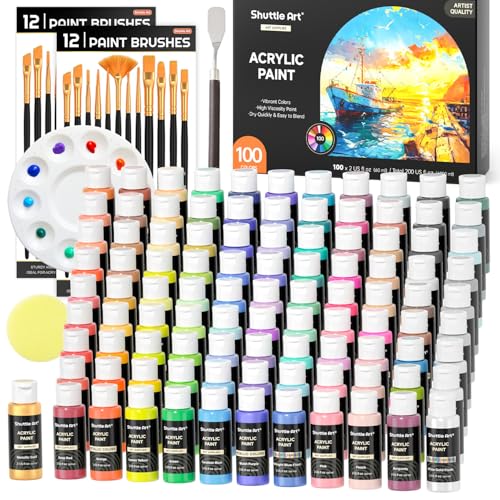


Preparation for Detailed Surface Restoration
Before I begin the transformation, I ensure that all surfaces are meticulously cleaned using a suitable degreaser. This step removes any residue that could affect adhesion.
Next, I focus on repairing imperfections. I use wood filler for scratches and dents, allowing it to dry completely. Sanding these areas smooth is crucial, and I always opt for fine-grit sandpaper to achieve a seamless finish.
After repairs, I wipe down the surfaces with a damp cloth to eliminate dust. Ensuring the area is well-ventilated is key while I work.
Choosing the Right Coating
I select a high-quality acrylic or chalk-based product for its durability and ease of application. If the piece is intricate, I often mix in a small amount of water to improve flow, making it easier to cover detailed areas.
Testing the finish on a less visible section allows me to check for any compatibility issues and to see how the color appears once dried.
Application Techniques for Intricate Designs
I prefer using an angled brush for ornate details, as it allows precision in detailed spots. For larger flat surfaces, a foam roller ensures an even application with fewer brush marks.
- Apply a thin initial coat, allowing adequate drying time.
- Lightly sand between coats with fine-grit paper to enhance adhesion.
- Repeat until the desired coverage is achieved, usually two to three coats.
Finishing Touches and Protection
Once satisfied with the layers, I apply a clear sealant to guard against wear and tear, selecting either a matte or glossy finish based on the desired final appearance.
Lastly, I allow ample curing time before using the item to ensure the finish hardens appropriately. Regular maintenance involves gentle cleaning to preserve the new look over time.
Choosing the Right Type of Paint for Ornate Furniture
For intricate pieces, selecting the right formulation is critical. I recommend using acrylic latex for its flexibility and durability. It adheres well to various surfaces, making it suitable for detailed carvings and embellishments.
Types of Paints to Consider
- Acrylic Latex: Quick-drying, water-based, and easy to clean. Provides a smooth finish and resists chipping.
- Chalk Paint: Ideal for achieving a matte finish. Requires minimal prep work and allows for easy distressing.
- Milk Paint: Natural and eco-friendly, it has a unique finish and is perfect for traditional aesthetics.
Additional Insights
For high-gloss looks, consider oil-based options. They yield a hard finish but require longer drying periods and adequate ventilation during application.
Don’t forget primers–these help in achieving even coverage and enhancing the paint’s adherence, especially on older pieces with existing finishes.
Experimenting on a small, inconspicuous area can aid in deciding the final look. Remember to factor in the surrounding environment and maintenance, as some choices may require more upkeep than others.
Preparing Your Furniture for Painting
Thoroughly clean the surface with soap and water to remove grease and dirt. After cleaning, I use a deglosser or sandpaper to eliminate the existing finish, ensuring a smooth and receptive surface. For intricate designs, a sanding sponge or detail sander helps reach tight spots without damaging the details.
Repairing Imperfections
I inspect for scratches, dents, or cracks. Filling these with wood filler not only restores structural integrity but also provides a flawless look. Once the filler dries, I sand it smooth and feathered into the surrounding area for seamless blending.
Priming the Surface
Applying a primer is next. Choosing a high-quality primer suitable for the type of material enhances adhesion and coverage. I ensure the primer dries completely before moving on, which guarantees the subsequent layers adhere properly without peeling or chipping.
Techniques for Painting Intricate Details
Using a small brush allows for precision when working on complex patterns or carvings. I opt for a detail brush with a fine point to ensure I can reach all the nooks and crannies. This method minimizes the risk of paint bleeding into areas where it shouldn’t be. It’s crucial to choose brushes that maintain their shape and have enough stiffness to push the paint into grooves.
Stenciling for Consistency
For repetitive patterns, using stencils can provide a uniform look. I create my own stencils from cardstock or plastic sheets, ensuring they fit snugly around intricate edges. This saves time and effort while still delivering crisp lines and consistent designs.
Dry Brushing Technique
To enhance details, I use dry brushing to apply a lighter shade over the base color. By dipping only the tips of the brush and removing excess paint, I can subtly highlight raised features without overpowering the initial layer. This technique adds depth and dimension, making the ornamental features pop.
| Technique | Description |
|---|---|
| Detail Brush | Utilizes a small brush for precision in tight spaces. |
| Stenciling | Creates consistent patterns using custom-made stencils. |
| Dry Brushing | Applies a lighter shade to highlight raised areas, adding depth. |
Maintaining a steady hand is vital. I steady my palm by resting it against the surface whenever possible, which helps control the brush movement for more intricate details. Using painter’s tape can further define lines, ensuring areas remain clean and free of unwanted color.
Selecting Brushes and Tools for Elaborate Pieces
I recommend using a variety of brushes to achieve different effects on intricate surfaces. Fine detail brushes, typically size 00 to 2, work best for small crevices and delicate areas. A flat brush, size 2 to 4, is suitable for larger flat surfaces while ensuring smooth coverage.
For complex textures, consider a sponge brush. This type can help create interesting patterns without the need for additional tools. A round brush is also handy for rounded edges, giving accurate control and finesse in application.
A high-quality foam brush can be advantageous for applying finishes evenly. It prevents streaks and ensures a smooth layer. If the design requires a high sheen, a soft bristle natural hair brush can give the best results.
Tools like painter’s tape are invaluable for protecting areas that should remain uncoloured. When preparing the workspace, having a palette for mixing and a drop cloth to catch any spills is prudent. A quality spray gun can also expedite coverage for models with particularly elaborate details.
Always have a reliable paint thinner on hand for clean-up and thinning products, maintaining desired consistency. Investing in a variety of sizes and types will allow greater flexibility and precision during the refinement of each project.
Applying a Primer: When and Why It Matters
I always apply a primer before starting any transformation project on intricate pieces. A high-quality primer serves multiple purposes: it enhances adhesion, providing a solid base for layering colors, and it can conceal existing blemishes, ensuring a smoother finish. Choosing the right formula for your task can greatly influence the outcome.
Timing
It’s advisable to use primer after thoroughly cleaning and sanding the surface. This ensures optimal bonding. If the original finish is glossy, I make sure to abrade it to promote better grip. I select a primer suitable for the specific materials involved–whether it’s wood, metal, or resin–since the correct type can prevent future peeling and chipping.
Types of Primers
I tend to favor water-based primers for indoor accents due to their low odor and quick drying time. For outdoor pieces, an oil-based primer provides additional durability against moisture and UV rays. This choice often results in a more resilient final coat that withstands the test of time.
Overall, incorporating a primer step in the preparation process is a key factor in achieving a professional-looking outcome, enhancing longevity and brilliance in the final layers. A meticulous approach at this stage pays off in the long run.
Finishing Touches and Protective Coatings
After completing the transformation of an intricate piece, applying a protective layer is non-negotiable. I recommend using a clear coat finish that complements the color and texture of your work. Choose between polyurethane, polycrylic, or a wax finish based on the desired sheen and durability.
Applying a Clear Coat
Use a high-quality brush or a foam applicator for even distribution. For polyurethane, opt for water-based products to minimize odor and drying time. Apply thin layers, allowing ample drying time between coats. Lightly sand between these applications to enhance adhesion and achieve a smoother finish.
Using Wax for a Soft Finish
If opting for a wax finish, apply it with a soft cloth in circular motions once the piece is dry. Allow the wax to cure, then buff to a soft luster. Regular maintenance is needed, as wax can wear off over time, but it provides a beautifully natural feel.
By focusing on these finishing elements, I ensure that the detailed work is both protected and aesthetically appealing, enhancing the longevity and charm of each unique creation.
Maintaining Painted Ornate Furnishings
Regular cleaning is essential. Use a soft, damp cloth to remove dust and grime, avoiding harsh chemicals that can damage the surface. For deeper cleans, a mild soap solution can be helpful, but ensure to dry the area quickly to prevent water damage.
Repairing Chips and Scratches
For minor imperfections, I recommend fine-grit sandpaper to gently smooth out the affected area. Follow up by applying a matching touch-up paint or wax crayon designed for furniture restoration. This helps restore the original look without the need for extensive refinishing.
Protecting from Environmental Factors
Avoid placing these items in direct sunlight or near heating vents, as prolonged exposure can fade and crack finishes. Consider using coasters or placemats under items to prevent heat and moisture damage. Additionally, maintaining stable humidity levels in your home will help preserve your pieces over time.
FAQ:
What type of paint is best for ornate furniture?
When painting ornate furniture, it’s essential to choose the right type of paint to ensure a smooth finish and lasting results. Acrylic or chalk paint are popular options for their adherence and ease of use. Acrylic paint offers durability and a variety of finishes, while chalk paint provides a vintage look that often requires no priming. Oil-based paints are another choice, especially for outdoor furniture, as they are more resistant to the elements. Always ensure to read labels to find the best fit for your specific project.
How do I prepare ornate furniture for painting?
Preparation is key to achieving a high-quality paint job on ornate furniture. Start by cleaning the surface thoroughly to remove dust and grease. If the furniture has a glossy finish, consider sanding it lightly to create a better surface for the paint to adhere to. For intricate details, use a brush to get into the crevices, and consider applying a primer to enhance paint adhesion and coverage, especially when changing colors dramatically.
Can I use spray paint on ornate furniture?
Yes, you can use spray paint on ornate furniture, but it requires careful technique. Spray paint can achieve an even application, especially in hard-to-reach areas of intricate designs. However, it’s crucial to work in light coats, allowing each layer to dry before applying the next. This method helps avoid drips and ensures a smooth finish. Choose a spray paint suitable for the material of your furniture and consider using a sealer afterward for added protection.
What tips do you have for painting intricate details on ornate furniture?
Painting intricate details can be challenging but rewarding. One effective method is to use a small, fine-tipped brush that allows you to maneuver easily around the detailed areas. For even better precision, consider using a stencil for patterns. Additionally, it’s advisable to apply paint in thin layers to avoid clogging the details. Another tip is to use a damp cloth to remove excess paint from raised areas to highlight the design. Patience is key, so take your time to ensure the best results.
How can I protect my newly painted ornate furniture?
To protect newly painted ornate furniture, apply a clear sealer or topcoat once the paint is fully dry. Polyurethane or acrylic sealers can provide a durable finish that resists scratches and wear. Ensure to select a sealer compatible with your paint type. Additionally, place coasters under objects and avoid exposing the furniture to direct sunlight to prevent fading. Periodic cleaning with a soft, damp cloth will also help maintain the paint’s appearance over time.
What type of paint is best for ornate furniture?
When painting ornate furniture, it’s advisable to use chalk paint or acrylic paint. Chalk paint is ideal as it adheres well to various surfaces and provides a matte finish that enhances vintage looks. Acrylic paint is another solid choice, offering durability and a wider range of colors. Before applying any paint, make sure to properly clean and prepare the surface for the best results.
How can I ensure a smooth finish when painting ornate furniture?
To achieve a smooth finish on ornate furniture, follow these steps: First, clean the surface thoroughly to remove dust and grease. Then, lightly sand any rough areas to create a better surface for the paint to adhere to. After sanding, wipe down the furniture to remove dust particles. Applying a primer can help create an even base and prevent paint from chipping. Use a high-quality brush or a foam roller for a smoother application, and consider applying multiple thin coats of paint rather than a single thick coat. Finally, wait for each coat to dry completely before applying the next, and finish with a clear topcoat to protect the paint and enhance its appearance.