
 Caleb Turner
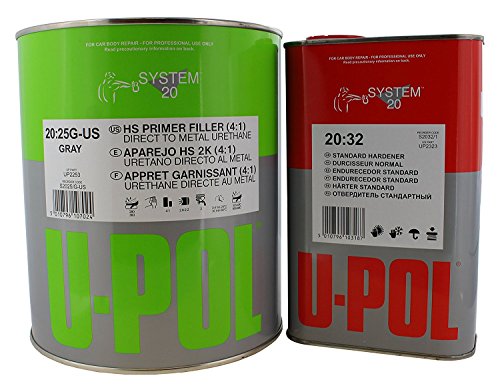
If you’re looking to renew the appearance of your well-loved woven seating and tables, start with a thorough cleaning. Use a mix of warm water and mild soap to remove any dirt and grime. A soft brush can help you reach crevices without damaging the material.
After cleaning, allow the pieces to dry completely to avoid trapping moisture. This step prevents mold or peeling in the future. Once dry, assess the current color and finish. If the original hue is still appealing but just faded, consider applying a clear sealant to restore its natural look.
For a more dramatic change, select a paint specifically formulated for the type of weaving you’re working with. Opt for lighter shades to brighten your space or bold colors for a striking statement. Apply the paint carefully, using a spray or brush to ensure an even finish that doesn’t clog the intricate design.
After applying the paint, allow sufficient drying time before using the items again. Finish with a protective coat to enhance durability, especially if the pieces will be placed outdoors. With these steps, your vintage wicker items can gain a fresh lease on life.
Revitalizing Wicker Creations
I recommend checking for any loose strands or damage before proceeding. Repair any broken parts with a strong adhesive that works well with natural fibers. Clean the surface thoroughly using a mixture of mild soap and water, then allow it to dry completely.


Select a primer suitable for natural materials, ensuring it adheres well. Apply it in thin, even layers using a brush. This helps in achieving an even finish and prevents unnecessary drips.
After priming, use high-quality acrylic or latex hue designed for such surfaces. Consider using spray paint for a more uniform look, but a brush can help reach nooks and crannies. Apply the color in light coats, allowing each layer to dry before adding another.
Finish with a clear sealant to protect the surface from scratches and moisture. This also enhances the longevity of the color. Apply two coats for maximum durability.
For maintenance, wipe with a damp cloth occasionally to remove dust and dirt. Avoid using harsh chemicals that could damage the finish.
- Materials needed: adhesive, soap, primer, paint, brushes or spray, sealant.
- Repair any damages before cleaning and painting.
- Allow adequate drying time between layers.
- Avoid areas with high moisture post-application.
Assessing the Condition of Rattan Furniture Before Painting
I begin with a thorough examination of the piece, checking for signs of damage such as cracks, breaks, or loose weaves. Any structural issues must be addressed prior to application.
I’ll inspect the surface for any peeling or flaking, which can hinder adherence and affect the final appearance. If there’s any grime or residue, a gentle cleaning is essential to ensure a smooth finish.
I pay close attention to areas that might retain moisture. These spots can lead to mildew or further deterioration. Any signs of rot or mold require immediate action, often involving sanding or even replacing affected sections.
Additionally, I evaluate the seams where different parts connect. Weak connections can jeopardize durability. Reinforcing these areas, if necessary, solidifies the integrity before proceeding.
If the piece has undergone previous renovations, I check for incompatible coatings that could interfere with new layers. Stripping or sanding may be necessary to create a suitable surface.
Finally, assessing whether the item will be exposed to high humidity or outdoor conditions helps determine the right protective measures and materials to use for longevity.
Choosing the Right Paint for Rattan Furniture
For this restoration project, I recommend using water-based acrylics or spray paints specifically formulated for use on woven surfaces. These types dry quickly and provide excellent adhesion without overwhelming the natural look of the weave.
When selecting a hue, consider matte or satin finishes to minimize the appearance of imperfections. Glossy paints can highlight flaws in the surface, so I prefer a finish that offers a more subtle sheen.
Before purchasing, verify that the paint is labeled as suitable for outdoor conditions if it will be placed outside, ensuring resistance against UV rays and moisture. Brands that promise durability and flexibility are ideal choices as they will accommodate the material’s natural movement.
Don’t forget to evaluate the color’s opacity. A primer may be beneficial if you’re covering dark stains or transitioning hues dramatically. This approach ensures an even coat and enhances color payoff. Always test the paint on a small, inconspicuous area to verify that I achieve the desired finish before proceeding with a full application.
Preparing the Surface: Cleaning and Sanding Techniques
Thoroughly clean the piece with a mixture of mild soap and warm water. Use a soft cloth to wipe down all surfaces, ensuring to remove dirt and grime. Pay special attention to crevices, where debris tends to accumulate. After cleaning, allow the item to dry completely, as moisture can interfere with subsequent steps.
Effective Sanding Methodology
Once the item is dry, begin the sanding process. I prefer using fine-grit sandpaper (220-grit) for this purpose. Gently sand the surface to create a key for the new finish. Focus on worn areas to ensure they are even with the surrounding surfaces.
For intricate weaving, a sanding sponge can reach into the nooks and crannies without causing damage. After sanding, remove any dust with a damp cloth or tack cloth to prepare for the next phase.
Inspecting for Issues
Post-sanding, inspect for any damage such as loose strands or weak spots. Address these before proceeding further. A small amount of wood glue can strengthen any unstable areas, ensuring the piece is robust enough for a new look.
Following these steps ensures a smooth and clean base, ready to be revitalized.
Applying Primer for Optimal Adhesion
I recommend selecting a high-quality primer specifically designed for surfaces similar to those being coated. This step ensures superior bonding between the existing layer and the new finish.
Before applying the primer, make sure the surface is thoroughly cleaned and dried. Any residual dirt or grease will compromise adhesion, leading to peeling in the future.
Use a brush or spray method for application, ensuring an even coat. Avoid thick layers; a thin, consistent application is more effective for adhesion.
Allow the primer to dry completely as per the manufacturer’s instructions. Drying times can vary, so it’s critical to check the label for recommendations.
After the primer has cured, assess the surface for any imperfections or rough spots and lightly sand if necessary. This final touch will create an ideal texture for your next coating.
Here’s a simple checklist to follow for the priming process:
| Step | Description |
|---|---|
| Choose Primer | Opt for a product suitable for your surface type. |
| Clean Surface | Thoroughly remove dust, dirt, and grease. |
| Apply Primer | Use a brush or spray for an even thin layer. |
| Drying Time | Follow the specified drying time on the label. |
| Sanding | Lightly sand any rough areas after primer has dried. |
Following these steps will ensure a robust foundation for your finishing touches, enhancing durability and the overall appearance of your project.
Techniques for Evenly Painting Rattan: Tools and Methods
For consistent results, I recommend using a high-quality foam roller or a small brush for intricate areas. Foam rollers help in applying an even coat on flat surfaces, while brushes allow for precise application in detailed sections. Ensure that the tools are clean and free from debris before use.
Begin with a primer to enhance adhesion. This creates an ideal surface for the subsequent layers. I found that a spray primer can also work wonders for reaching uneven spots and crevices effectively.
Apply the chosen finish in thin, even layers. This approach reduces drips and allows for better control. If brush strokes are visible after the first coat, lightly sand the surface with fine-grit sandpaper between applications. This smoothens the finish and prepares it for the next layer.
When using spray paint, maintain a distance of about 10 to 12 inches from the surface. This ensures an even application without pooling. Move the can in a sweeping motion, overlapping slightly with each pass.
After finishing, allow sufficient drying time before applying additional coats. This prevents smudging and maintains the integrity of each layer. I typically allow at least two hours between applications, but check the manufacturer’s guidelines for specifics.
Finally, consider using a clear topcoat for added protection. A matte or satin finish can enhance durability while still showcasing the new look effectively. Always apply the clear coat in thin layers, as even coverage is key to achieving a professional appearance.
Finishing Touches: Sealing and Protecting the Painted Surface
To ensure longevity, applying a clear sealant is a critical step. I recommend using a water-based polyurethane for its durability and fast drying time. Select a matte or satin finish depending on your desired aesthetic.
Application Technique
Before sealing, make sure the painted layer is dry. Use a clean brush or a foam applicator to apply a thin, even coat of sealant. Work in sections, following the natural contours of the piece. Avoid over-brushing to reduce the risk of bubbles or uneven texture.
Drying and Curing
After the initial coat, allow it to dry for at least two hours before applying a second layer. For the best protection, three coats are recommended. Be mindful that complete curing can take up to 72 hours, during which time keep the item in a low-humidity environment.
Lastly, avoid placing heavy items on the surface for at least a week to allow the finish to set properly. Regular dusting and gentle cleaning will maintain the surface, preserving your refreshed piece for years to come.


