
 Caleb Turner

First, ensure you have quality primers and coatings designed specifically for wood surfaces. A good rule is to select a product that mentions compatibility with the desired finish. Applying a primer tailored to absorb deep colors can significantly enhance the final result.
Sand the surface thoroughly with medium-to-fine grit sandpaper. This step prepares the wood, allowing the treatment to penetrate better. Always wipe the dust away with a damp cloth to ensure a clean application. A clean surface is imperative for adherence and depth of color.


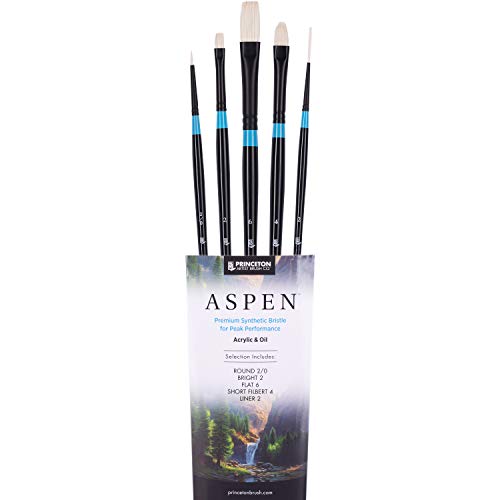
Mix your chosen shade properly to obtain a uniform consistency. If you prefer a more substantial effect, consider multiple coats, allowing each layer to fully dry before applying the next. Use a synthetic brush or foam applicator for smooth, even strokes. Pay special attention to corners and crevices, where color might unevenly distribute.
Sealing the surface with a clear topcoat afterwards will enhance durability and give the finish a professional sheen. Selecting a matte or satin finish can also influence the overall aesthetic, so choose what aligns with your vision.
Transforming Your Oak Piece to a Dark Finish
Using a high-quality primer is the first step. I choose one specifically designed for wood surfaces to ensure proper adhesion. Once applied, I allow it to dry completely before proceeding.
For the coating, I prefer a satin or matte formulation to achieve an elegant look. I apply it with a foam roller for an even finish, avoiding drips and brush strokes. Two coats usually provide the depth I’m aiming for.
After the second coat dries, I gently sand the surface with fine-grit sandpaper. This technique helps create a smoother feel and enhances the final appearance.
Applying a protective sealant is next. I opt for a polyurethane sealant, as it offers durability and UV protection, ensuring the dark hue lasts longer against fading.
To maintain the new finish, I regularly clean the surface with a damp cloth and avoid harsh chemicals that can damage it over time.
This method has reliably transformed my wood projects, giving them a fresh, modern aesthetic that fits beautifully in various decors.
Choosing the Right Paint for Oak Furniture
I recommend selecting a high-quality acrylic or latex option to achieve a durable finish. These types resist fading and chipping, making them ideal for items that endure regular use. Look for paints specifically labeled as suitable for surfaces like wood for optimal adhesion.
Key Features to Consider
| Feature | Details |
|---|---|
| Finish Type | Opt for satin or semi-gloss for a subtle sheen; glossy finishes enhance durability but can showcase imperfections. |
| Drying Time | Select quick-drying formulations to expedite your project. Check manufacturer guidelines for specifics. |
| Color Saturation | Deep, rich shades create a dramatic look. Test samples to ensure the desired shade before committing. |
| Eco-Friendliness | Low-VOC options are safer for indoor use, minimizing airborne chemicals and odors. |
Additional Tips
Inspect product reviews to gauge performance based on user experience. If you’re unsure, visit a local home improvement store for expert advice and color swatches. The right choice not only complements your space but also enhances the longevity of your project.
Preparing the Surface for Painting
I begin the surface preparation by thoroughly cleaning the item. A simple mixture of warm water and mild detergent removes any dirt and grease. After rinsing, I ensure the surface is completely dry before proceeding.
Next, I sand the surface using fine-grit sandpaper (around 220 grit) to create a smooth finish. This step not only improves adhesion but also helps eliminate any imperfections. I pay special attention to edges and corners, ensuring these areas are well-sanded.
I vacuum the dust generated from sanding, followed by wiping down the surface with a damp cloth. This eliminates any leftover particles that could affect the finish. I then allow the surface to dry completely.
Sealing and Priming the Surface
If the piece has a glossy or stained finish, I apply a primer designed for adherence to a variety of surfaces. This step is critical for achieving an even coat and preventing the underlying colors from bleeding through. After applying the primer, I let it dry as per the manufacturer’s instructions, usually 1 to 2 hours.
Once the primer is dry, I lightly sand the surface again with very fine sandpaper (400 grit) to ensure a level and smooth base. After sanding, I wipe the surface with a damp cloth to remove any dust before I proceed with the final coating.
Selecting the Appropriate Tools for Application
For achieving a smooth and professional outcome, I recommend using a combination of brushes, rollers, and spray guns. Each tool serves a specific purpose and contributes to the final look of the project.
Brushes
A high-quality synthetic brush is ideal for detailed areas and edges. Choose a brush with angled bristles for better control when working around corners or intricate designs. A 2- to 3-inch brush is typically sufficient for most applications.
Rollers and Sprayers
For larger surfaces, a roller can provide efficient coverage. Select a roller with a short nap (1/4 inch) to avoid excessive texture. If I prefer a more automated approach, a spray gun can offer a flawless finish but requires precise control to prevent drips.
| Tool | Best Use | Recommended Size |
|---|---|---|
| Synthetic Brush | Detail work and edges | 2-3 inches |
| Roller | Large, flat areas | 9 inches with 1/4 inch nap |
| Spray Gun | Even coverage on larger surfaces | Medium tip (.015 – .017) |
Investing in these tools enhances the outcome and reduces the time spent achieving a uniform finish. Ensure all equipment is clean and ready before beginning, as preparation can significantly influence the results.
Applying Primer for Best Results
Using a quality primer improves adhesion and creates a smooth finish prior to applying the final coat. I recommend selecting a stain-blocking primer designed for dark colors and wood surfaces. This ensures the natural grain does not show through after application.
Before applying the primer, check for any imperfections on the surface. Sand the area lightly to smooth out any rough spots, then clean it thoroughly with a damp cloth. This prevents dust from interfering with the adhesive properties of the primer.
Utilize a high-density foam roller for large flat surfaces and a quality brush for corners and intricate details. Applying a thin, even layer is key; avoid over-saturating the roller or brush. Allow the primer to dry completely, following the manufacturer’s guidelines, which usually recommend a drying time of at least a couple of hours.
After the initial layer dries, inspect for any uneven areas. If necessary, sand lightly again and apply a second coat of primer. This extra step guarantees an even base and enhances the final outcome.
Once satisfied with the primer’s application, proceed to the next stage with confidence, knowing you’ve set the best foundation for your transformative project.
Techniques for Painting Oak Furniture Smoothly
For a flawless finish, I begin by choosing a high-quality synthetic bristle brush. This type of brush holds more paint and allows for smoother application compared to natural bristles. Ensure to apply the coating in thin layers, working with the grain to minimize brush strokes.
A sprayer can also be utilized for large surfaces, providing an even coat without marks. If using a sprayer, keep it at a consistent distance and maintain a steady hand to achieve an immaculate layer.
Prior to each new coat, lightly sand the surface with a fine-grit sandpaper. This step fosters adhesion and smooths out any imperfections. After sanding, I wipe the area with a damp cloth to remove dust and debris, ensuring a clean surface for the next application.
For an added layer of sophistication, I sometimes mix a bit of glazing medium with the top coat. This modification enhances the depth and richness of the hue while allowing for a uniform finish. It can also extend the working time, which is particularly helpful when trying to achieve that perfect stroke.
When finishing, I use a foam roller for larger flat areas, as it can cover more space quickly and evenly, reducing the chances of dripping. Combining different application methods throughout the process can also yield unique textures and finishes that highlight the wood’s natural beauty.
Finally, allow ample drying time between coats. Rushing this step can lead to uneven surfaces, so patience is key. With these techniques, achieving a smooth, professional-looking finish becomes much easier.
Finishing Touches: Sealing the Paint
For maximum durability, sealing the finish is essential. I recommend using a clear topcoat that complements the color and texture achieved. Here are some options:
- Polyurethane: Offers excellent protection against scratches and moisture. Select a water-based variant for a quick dry time and low odor.
- Varnish: Provides a hard protective layer. Opt for a satin or matte finish to avoid shine interfering with the overall aesthetic.
- Sealant: A dedicated sealant can add an extra layer of protection, especially for surfaces subjected to heavy use.
Application Method
For the best results, apply the sealer with a high-quality brush or foam applicator. This technique minimizes bubbles and streaking. Ensure the underlying layer is completely dry before sealing–this typically requires at least 24 hours.
Apply multiple thin coats, allowing sufficient time between applications (at least 2-3 hours for water-based, longer for oil-based). Sand lightly with fine-grit sandpaper between coats for optimal adhesion and a smoother finish.
Final Inspection
After the last coat, allow the piece to cure according to the manufacturer’s instructions. Inspect the surface for any imperfections. If needed, lightly sand and apply an additional coat. Properly sealing ensures the piece remains stunning and resilient for years.
Maintaining Black Painted Oak Furniture
Regular cleaning extends the lifespan of your transformed items. Use a soft, damp microfiber cloth to gently wipe surfaces, ensuring no water residue is left behind. Avoid ammonia-based or abrasive cleaners that could damage the finish.
For minor scratches or wear, apply a touch-up marker or a small amount of paint to affected areas, followed by a sealant for protection.
To maintain the desired sheen and protect against future wear, consider applying a wax or polycrylic finish every six months. This acts as a shield while enhancing the depth of color.
Keep these precautions in mind:
- Avoid direct sunlight which can fade the finish over time.
- Use coasters and placemats to prevent heat and moisture damage.
- Regularly inspect joints and hardware for signs of wear, tightening or replacing as necessary.
Should you notice extensive damage or peeling, be ready to refinish with adequate preparation. Sand down the affected area thoroughly before applying a new coat accordingly.
FAQ:
What type of paint is best for painting oak furniture black?
For painting oak furniture black, it is recommended to use high-quality chalk paint or latex paint. Chalk paint adheres well to wood surfaces and provides a matte finish, which is perfect for achieving a vintage or rustic look. Latex paint is another good option as it is durable and offers a variety of finishes, including matte and satin. Make sure to choose a paint specifically formulated for furniture to ensure longevity and resistance to wear and tear.
Do I need to sand the oak furniture before painting it black?
Yes, sanding the oak furniture prior to painting is highly advisable. Sanding helps to remove the existing finish and smooth out any imperfections on the surface. Start with a medium-grit sandpaper to remove old paint or stain, and finish with a fine-grit sandpaper for a smooth surface. Once sanded, clean the furniture thoroughly to remove any dust or debris that may interfere with the paint adhesion.
How long does it take for the paint to dry on oak furniture?
The drying time for paint on oak furniture can vary based on factors such as the type of paint used and the environmental conditions. Generally, chalk paint can dry to the touch within 30 minutes to an hour, while multiple coats may take longer to dry completely. If you’re using latex paint, it may take about 1-2 hours to dry between coats. Always follow the manufacturer’s instructions on the paint can for the best results and ensure adequate ventilation during the drying process.
What finishing products should I use after painting oak furniture black?
After painting oak furniture black, applying a topcoat can enhance the durability and appearance of the finish. A clear polyurethane or a water-based sealant can provide protection against scratches and moisture. If a matte finish is desired, look for products specifically labeled as matte topcoats. Make sure the paint is fully dry before applying any finishing products, and follow the instructions for the best application method, whether it’s brushing or spraying.


