
 Caleb Turner
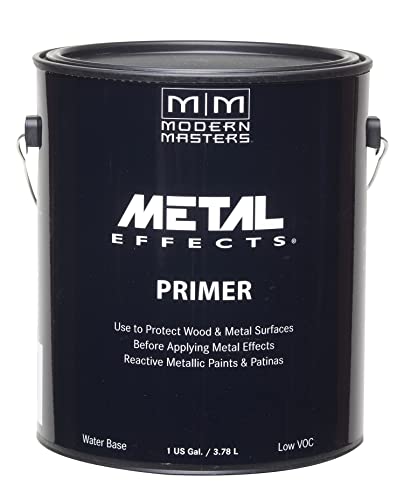
For a stunning look, I recommend using a high-quality metallic finish for highlighting the edges and contours of your cabinets or dressers. Choose a primer that works well with your base material, ensuring a smooth surface that enhances adhesion.
Prepping is key. Sand the areas to be accented gently, removing any gloss or imperfections. After cleaning the dust off, apply an appropriate bonding agent; this step creates an ideal base for the metallic application. Once dried, a fine brush will give you precision in detailing the highlighted areas, providing a finished appearance that stands out.
To achieve a flawless look, thin your metallic coating slightly. This not only aids in application but also helps prevent drips and ensures an even layer. Apply in thin coats, allowing each layer to dry thoroughly before the next, which avoids buildup and keeps the structure looking pristine. Once completed, a protective clear coat will add durability and luster, making the accented sections shine even brighter.
Applying a Luxurious Metallic Finish
I recommend preparing your surfaces for a refined metallic finish by ensuring they are clean and free from dust or grease. Use a damp cloth to wipe down the areas where you’ll apply the shimmering effect.


Select a high-quality metallic or shimmer paint that offers a smooth application. A small, fine-tipped brush will give you precision, especially in detailed areas. It’s crucial to apply multiple thin layers rather than one thick coat. Wait for each layer to dry thoroughly before adding the next to achieve an even finish.
For edges and accents, a painter’s tape can help create crisp lines. After the application, carefully peel off the tape while the last layer is still slightly tacky to prevent chipping.
To enhance durability, a clear sealant can be applied after the paint has fully cured. This layer not only protects the finish but also enhances the luminosity.
Lastly, consider the lighting in the room. In well-lit areas, this metallic accent will reflect beautifully, adding warmth and sophistication to the overall space.
Choosing the Right Type of Gold Paint
For a flawless finish that truly stands out, I recommend selecting a metallic acrylic or oil-based enamel as your go-to options. These provide a rich luster and durability, ideal for accentuating edges and designs. The metallic acrylic is water-based, making cleanup easier and reducing fumes, while the oil-based option offers superior adhesion and a harder surface once cured.
When shopping, inspect labels for formulations specifically designed for use on wood or non-porous surfaces. This ensures better adherence and longevity. I’ve found that finishes ranging from satin to high gloss can give distinctive effects; glossy finishes reflect light beautifully, while satin finishes offer a subtler sheen.
Also, consider the tone; some products have warm hues that can harmonize with certain woods or existing colors. Testing a small sample in your space helps visualize the outcome, providing a clear sense of how it interacts with lighting.
For an extra touch of elegance, adding a metallic sealer or clear topcoat will enhance protection while maintaining the shine of your chosen hue. Always check for compatibility with the paint type to avoid any adverse reactions.
Preparing the Furniture Surface for Painting
I begin the process by thoroughly cleaning the area I intend to enhance. A simple mixture of warm water and mild soap works wonders to eliminate dust and grease. After rinsing with water, I allow the surface ample time to dry completely.
Sanding is my next step; I use fine-grit sandpaper to gently remove any existing finish. This step is vital for promoting adhesion, ensuring the new layer adheres correctly. I take care to sand in the direction of the grain to avoid scratches.
Once sanding is complete, I wipe down the surface with a damp cloth to remove dust particles, following it up with a dry cloth. For intricate designs, I utilize a small brush to ensure every nook and cranny is clean.
If the original finish is significantly flawed or peeling, applying a primer is necessary. I opt for a quality primer that complements my chosen color, applying it evenly with a brush, and allowing it to dry thoroughly.
Final checks involve inspecting for any imperfections or rough spots that might need additional attention. This preparation phase is crucial for achieving a flawless and stunning effect in the subsequent steps.
Selecting Appropriate Brushes for Gold Trim
For precision and a flawless finish, I recommend choosing specific brush types based on the details of the work. Here’s what I found to be most effective:
Brush Types
- Detail Brushes: For intricate designs and corners, opt for small detail brushes with fine bristles.
- Flat Brushes: These are ideal for larger areas, providing an even application while avoiding visible brush strokes.
- Sponge Brushes: Great for achieving a textured look, especially on rougher surfaces.
Brush Quality
Invest in synthetic or natural bristles depending on your chosen medium. Synthetic bristles work well with water-based formulations and ensure smooth application. Natural bristles hold more liquid and can provide a rich finish when using oil-based options.
Maintenance Tips
- Clean brushes immediately after use to maintain their integrity and prevent paint from drying inside the bristles.
- Store brushes upright or flat to avoid bending the bristles.
- Consider labeling brushes for specific paint types to streamline future projects.
Applying a Primer to Enhance Gold Finish
Using a primer is crucial for achieving a smooth and durable coating. I recommend selecting a high-quality, metallic or bonding primer that adheres well to the surface material of your piece. This step ensures the actual color applied later looks vibrant and consistent, preventing any underlying tones from affecting the final appearance.
Preparation of the Surface
Before applying the primer, clean the surface thoroughly to eliminate dust and grease. I usually opt for a mild detergent or a specialized cleaner. Afterward, lightly sand the area to create a key for better adhesion. Wipe it down with a damp cloth to remove any debris from sanding.
Application Technique
Using a small brush or foam roller, apply a thin, even layer of primer. I find that working in long, smooth strokes minimizes brush marks. Allow the primer to dry completely according to the manufacturer’s instructions, typically a few hours, before inspecting the surface. If needed, a second coat can provide additional coverage and enhance the finish significantly.
Using Techniques for Even Gold Paint Application
To achieve a uniform application, I follow several techniques that enhance both coverage and finish quality. Here are the key steps:
- Thin Layers: I apply multiple thin layers instead of one thick coat. This reduces dripping and ensures a smoother appearance. I wait for each coat to dry before adding the next.
- Brush Technique: I use a light hand and long strokes to create an even finish. Starting from one edge and moving to the other helps avoid streaks.
- Spray Method: For larger or intricate areas, using a spray can is effective. I maintain a consistent distance, typically around 6-8 inches from the surface, and move with steady speed.
- Dabbing with a Sponge: For detailed accents or textured sections, I find that a damp sponge or foam applicator can produce a beautiful effect without clumping.
Fixing Mistakes
If I notice uneven spots, I allow the paint to dry completely before lightly sanding the area with fine-grit sandpaper. I then wipe away the dust and reapply the finish carefully.
Final Touches
Once satisfied with the coverage, I enhance durability by applying a clear sealer. This helps to protect the surface while providing a polished look.
Allowing for Proper Drying Time Between Coats
Plan for at least 30 minutes to 2 hours for each application to dry, depending on humidity and temperature. Always refer to the specific instructions on your product label for accuracy, as different formulations can vary significantly.
A slow drying process often leads to a smoother finish. If the initial layer isn’t fully set, applying a second coat can cause the first one to lift or smudge. I usually perform a touch test by lightly dragging my fingertip across the surface; if it feels tacky, it’s best to wait longer.
For optimal results, consider letting the project cure overnight. This extra time allows the layers to harden properly. Additionally, if I plan to apply a topcoat, ensuring full dryness of each layer is vital to avoid any unexpected reactions between products.
Humidity can increase drying time, so be prepared to adjust your schedule accordingly. On particularly muggy days, I find it beneficial to use a fan or open windows to promote airflow. This technique helps expedite the drying stage without compromising the quality of the finish.
In summary, prioritize patience. Rushing this step can lead to a subpar outcome, undermining the effort invested in achieving a stunning look.
Finishing Touches: Adding a Clear Sealant
Opt for a high-quality clear sealant to protect the finish and enhance durability. Before application, ensure that the surface is completely dry after the final coat of your metallic hue has cured. Use a soft cloth to wipe away any dust or debris.
Apply the sealant using a clean, fine-bristle brush or a foam applicator for an even layer. Avoid excessive application to prevent runs or bubbles; a thin coat is often sufficient. Follow the manufacturer’s instructions regarding drying times and re-coating, as this can vary between products.
For optimal results, consider applying two or more coats of sealant for added protection. Lightly sand the surface with fine-grit sandpaper between coats to promote adhesion and create a smooth finish. After the final application, let it cure completely in a dust-free environment to avoid imperfections.
Once fully dried, the sealant will not only enhance the luster of your trim but also provide a shield against scratches, moisture, and wear, prolonging the life of your decorative accents.
Cleaning and Maintaining Gold Trim After Painting
I recommend using a soft, lint-free cloth for cleaning the metallic accents. A mixture of warm water and mild soap works well for gentle cleansing, ensuring no abrasive materials are used that could scratch the surface. Always dampen the cloth rather than soaking it, as excess moisture can damage the underlying layers.
Routine Dusting and Care
Regular dusting with a dry microfiber cloth helps maintain a polished look. Avoid harsh chemicals or cleaners that can degrade the finish. For stubborn spots, a damp cloth with soapy water can be employed, followed by immediate drying with a clean towel to prevent water spots.
Addressing Scratches and Damage
If scratches occur, fine sandpaper (around 600 grit) can be used cautiously to smooth out the area. Afterward, reapply the metallic coating, allowing ample drying time before touching or using the item. For small blemishes, touch-up pens designed for metallic finishes are a quick solution.
Maintaining these details ensures longevity and preserves the beauty of your decorative elements, enhancing the overall aesthetic of your space.
Common Mistakes to Avoid When Painting Gold Trim
Avoid rushing through the preparation process. Skipping surface cleaning or sanding can lead to uneven adhesion, resulting in peeling or chipping finishes. Take the time to ensure the surface is thoroughly prepped.
Neglecting to test the chosen hue on an inconspicuous area can be problematic. Different lighting conditions can change the appearance of the color, so this simple step can save potential disappointment later.
Using inappropriate brushes can create unsatisfactory results. Opt for high-quality synthetic brushes designed for smooth applications to prevent streaks and ensure a professional finish.
Applying too thick a layer at once can lead to drips and uneven distribution. Instead, aim for multiple thin layers, allowing each to dry completely before adding another to achieve a smooth surface.
Disregarding environmental conditions during the application is a common oversight. Ensure the space is well-ventilated and temperature-controlled to promote proper drying and prevent issues like bubbling or fogging.
After finishing, skipping a clear protective seal can diminish the durability of the finish. It’s essential to add this last layer to guard against scratches and fading.
| Mistake | Consequence | Tip |
|---|---|---|
| Rushing preparation | Uneven adhesion | Thoroughly clean and sand the surface |
| Omitting color test | Unexpected color appearance | Test in various lighting |
| Poor brush choice | Streaks and uneven finish | Use high-quality synthetic brushes |
| Thick layer application | Drips and uneven coat | Apply thin layers |
| Ignoring drying conditions | Bubbling or fogging | Ensure good ventilation and stable temperature |
| Skipping sealant | Reduced finish durability | Always add a protective layer |


