
 Caleb Turner
To create a weathered effect on your pieces, choose a high-quality chalk or mineral-based solution. This type of coating adheres well and provides the perfect base for achieving that sought-after aged appearance. Before applying, it’s crucial to prepare the surface; lightly sand the item to ensure the finish adheres properly.
Once the preparation is complete, take a brush with natural bristles and apply the first coat generously. Avoid perfect strokes; an uneven application contributes to the rustic charm. After the initial coat dries, sand the edges and any raised areas lightly, exposing some of the wood beneath to enhance the vintage feel.
For an authentic touch, consider layering with a contrasting hue. Once the second layer is dry, use a damp cloth to gently distress the surface, revealing the underlying color. Finally, seal the finish with a clear wax or matte sealer to protect your work while maintaining a natural look.
Playing with textures can further enhance the overall aesthetic. Incorporating elements like burlap or rope as decorative accents will complement the rustic style and create a cohesive appearance throughout your space. Experiment with these techniques until you achieve the desired rustic charm for your items.
Techniques for Achieving a Rustic Finish
To create a weathered appearance, I often use a base coat of a muted, earthy hue. Once dried, I apply a contrasting color with a brush, but instead of full coverage, I leave some areas untouched to mimic naturally worn surfaces. This layering technique provides depth and character.


An effective method to distress surfaces involves using sandpaper. Focusing on edges, corners, and handles, I gently wear away the top layer to reveal the hue beneath. This technique enhances the authenticity of the piece, suggesting years of use and love.
Applying Glaze for Depth
After achieving a suitable base and distressing, I incorporate a glaze. This thin mixture, often tinted with a dark shade, adds shadows to crevices, emphasizing texture. I apply it with a rag, wiping away excess, allowing the base color to peek through. This adds an age-old quality that feels genuine.
Final Touches for Authenticity
For added rustic charm, I sometimes introduce finishing wax. It not only protects the surface but also enriches the visual appeal. Selecting a wax with a satin finish can subtly illuminate the layers beneath, enhancing the overall aesthetic. Small imperfections, such as dings or uneven surfaces, are welcome; they contribute to a truly unique character.
Choosing the Right Type of Paint for Primitive Furniture
I recommend using milk paint or chalk-style coating for this task. These options offer a matte finish that mimics the appearance of aged wood, perfect for achieving a rustic vibe. Milk paint provides a porous texture, allowing the underlying surface to show through, which creates an authentic vintage feel.
Milk Paint Characteristics
This kind of pigment is composed of natural ingredients, making it non-toxic and eco-friendly. It’s available in various colors and can be mixed to achieve specific shades. After application, it can be distressed easily to enhance the worn look typical of earlier times. Ensure to use a bonding agent if painting over a sealed surface to avoid peeling.
Chalk-Style Coating Features
This variant is easy to work with, dries quickly, and adheres well to multiple surfaces. It allows for quick layering and the application of a clear wax finish for added protection. The final result often appears slightly textured, which is ideal for an antique aesthetic. Additionally, this type can be tinted or layered with other hues to create depth and dimension.
Preparing Your Furniture for Coating
Thoroughly clean the surface to eliminate dust and grime. I use a mixture of warm water and mild soap for this purpose. After cleaning, allow it to dry completely.
Next, inspect for any damage. Fill in dents and holes with wood filler, smoothing it out once dry. If you find rough areas, sand them lightly with fine-grit sandpaper to achieve a smooth finish.
For glossy surfaces, scuff them up using a medium-grit sandpaper. This allows the new coating to adhere better. Always wipe away the dust created from sanding with a damp cloth.
Consider applying a primer to enhance adhesion. A water-based primer works well for many surfaces; however, make sure it’s suitable for the material I’m working with.
| Preparation Steps | Materials Needed |
|---|---|
| Clean the surface | Mild soap, warm water |
| Inspect and repair damage | Wood filler, putty knife |
| Sanding | Fine-grit sandpaper, medium-grit sandpaper |
| Dust removal | Damp cloth |
| Primer application | Water-based primer |
Following these steps ensures a solid foundation that will lead to a more successful outcome in the finishing process. After the preparatory work is done, I’m ready for the next steps in my project.
Selecting a Color Palette for a Primitive Aesthetic
For achieving an authentic aesthetic, focus on earthy tones and muted hues. Seek shades that evoke a sense of nature and simplicity.
- Earthy Neutrals: Colors like taupe, beige, and warm grays create a solid foundation.
- Nature-Inspired Greens: Olive, moss, and sage greens bring an organic touch, reminiscent of foliage.
- Warm Reds and Burgundies: These provide depth and a pop of color, suggesting aged materials.
- Soft Blues: Dusty, faded blues can reflect a weathered coastal vibe, adding serenity.
- Yellows and Ochres: Subtle sunlit shades evoke warmth and comfort, reminiscent of rustic settings.
Mixing and matching these colors can create a harmonious scheme. Aim for an understated palette to maintain the authentic vibe.
When selecting accents, focus on using deeper shades to create contrast that enhances the overall look. Test swatches on your surfaces to visualize how they interact with lighting and surrounding objects.
The aim is to evoke feelings of nostalgia and warmth, as though the pieces have been part of history itself. Select accordingly to ensure a cohesive and inviting atmosphere in your space.
Applying the First Coat: Techniques for a Rustic Finish
For the initial layer, I recommend using a brush rather than a sprayer. This method allows for greater control and helps create that handcrafted essence. Choose a natural-bristled brush to enhance the application quality and texture.
Before I begin, I ensure that the surface is fully dry and free of dust. I dip the brush into the chosen color, lightly dragging it across the edges to reduce excess paint. Starting from the corners and working inward helps me maintain an even distribution.
- Consistent Strokes: I keep my strokes consistent–long and smooth for flat areas, while using shorter, more deliberate motions for detailed sections.
- Sparse Application: Applying a thin layer is key; this not only aids in even drying but also contributes to the aged look by allowing the underlying color or wood to show through slightly.
If I want to introduce an uneven, rustic quality, I can use a technique called “dry brushing.” I dip the brush lightly into the paint, then wipe most of it off on a rag. This technique allows for subtle highlights and shadows, simulating wear and age effectively.
After applying the first coat, I allow it to dry completely. Observing the drying process is essential, as it provides an opportunity to assess any areas that may need a little extra attention or touch-ups.
For added texture, I might sand lightly when the first layer is dry, focusing on areas that would naturally see more wear. This gives depth to the finish and prepares the base for subsequent applications.
Finally, I ensure to clean my tools properly after use. This step prevents any leftover product from mixing with the next color or finish I might apply later.
Distressing Techniques to Enhance the Primitive Look
To achieve an authentic weathered appearance, I utilize multiple distressing methods. Sanding is one of the most effective; I focus on edges and corners, gently removing layers until the underlying surface shows through. For a more uneven finish, I often use a rough sanding block, adding character to the edges.
Acrylic paints can be easily chipped away with a blunt object, creating a patched-up effect. I find that using an old screwdriver or a mixing stick can yield convincing wear marks, especially on flat surfaces.
I also incorporate a wet distressing technique, where I dampen a cloth and lightly rub sections of the surface after the paint has dried. This approach allows me to control how much of the base layer is revealed, enhancing the layered effect.
An additional trick involves using a dark wax after painting. Once the paint dries, I apply the wax to crevices and edges, then wipe off the excess. This method not only deepens the color but also emphasizes imperfections, heightening the aged vibe.
For more depth, I might experiment with layering colors. I start with a base coat, let it dry, then apply a second color, followed by sanding in specific areas. This multi-dimensional look can add authenticity to the overall aesthetic.
Lastly, I often finish the process with a light coating of matte sealer to protect my work while keeping a natural appearance. This seals in the weathered look I’ve achieved, ensuring it lasts. Each of these techniques contributes to a piece that feels rich with history and charm.
Sealing Your Furniture for Durability and Style
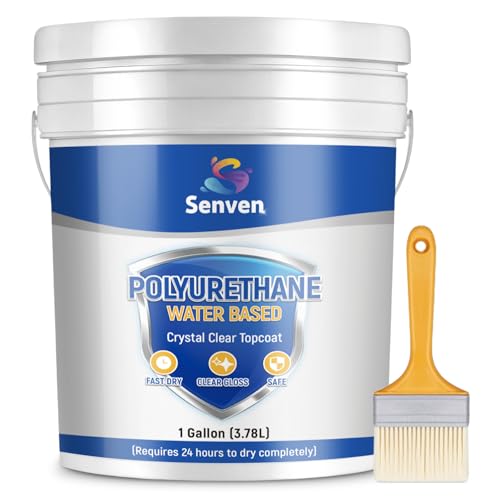
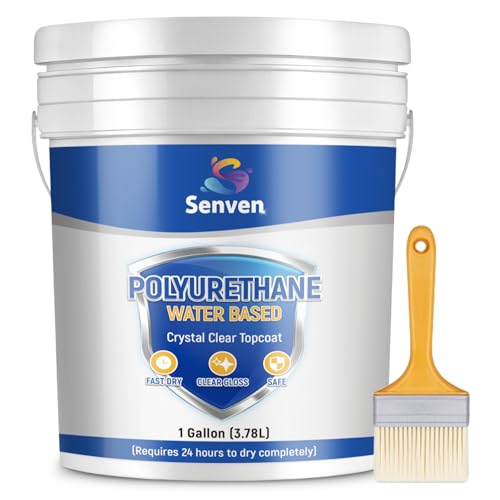
I recommend using a water-based polyurethane for a protective finish that maintains the character of your piece. This type of sealant dries quickly and offers a clear, durable coating. To apply, use a high-quality synthetic brush for smooth application, ensuring even coverage.
Follow these steps for optimal results:
- Ensure the surface is clean and free from dust or debris.
- Lightly sand the piece after the paint has dried to promote adhesion of the sealant.
- Stir, but do not shake, the sealant to avoid bubbles.
- Apply a thin layer, working in the direction of the grain.
- Allow it to dry thoroughly as per the manufacturer’s instructions.
- Sand lightly between coats to achieve a smooth finish, repeating the process for at least two to three coats for durability.
If a soft sheen is desired, a matte sealer can also enhance the overall aesthetic while providing protection. Test this on a small area first to ensure it meets your expectations.
Consider using a colored wax for an additional layer of depth and richness. This allows for both sealing and adding character, especially in crevices and textured areas.
Regular maintenance includes dusting with a soft cloth and using a mild soap solution for deeper cleaning. Avoid harsh chemicals that can damage the finish.
Creating Layers with Washes and Glazes
To achieve a timeworn appearance, layering with washes and glazes is key. I mix a thin consistency of paint with water or a glazing medium, typically at a ratio of one part paint to four parts water. This method ensures transparency while allowing underlying shades to peek through, enhancing the depth.
Layering Technique
First, apply a base coat that aligns with your desired undertone. Once dry, using a soft brush or cloth, I distribute the wash evenly across the surface. For richer texture, I let some areas absorb more than others, creating a beautiful, uneven finish.
Using Glazes for Depth
After the wash has set, I often reach for a glaze to intensify the color. This involves using a similar method as with the wash but focusing on highlights. With a dry brush, I lightly apply the glaze over raised areas while avoiding deep crevices. This accentuates the grain and adds dimension.
In each layer, patience is crucial. Allow sufficient drying time between coats to prevent muddiness. By building up layers gradually, the final outcome showcases a vintage allure, revealing history in every stroke.
Incorporating Natural Elements into Your Design
Integrating organic components greatly enhances the authenticity of your project. I suggest using unfinished wood pieces, such as reclaimed barn wood or driftwood, as accents. These materials add a raw and uneven texture that contrasts beautifully with smoother surfaces.
Textures and Patterns
Textural contrast plays a significant role. Incorporating woven baskets or handmade textiles can soften the overall aesthetic. Aim to use rustic fabrics like burlap or linen, which add warmth and character. Layering these elements will create visual interest and depth.
Natural Accessories
Utilize accessories that reflect the outdoors, such as clay pots filled with herbs or succulents. Stone or ceramic pieces can introduce earth tones, grounding your space. To emphasize a natural ambiance, consider using wildflowers in simple glass jars, embracing an untamed style.
By thoughtfully blending these elements, your design will resonate with a sense of history and connection to nature. Remember, simplicity and authenticity are your best allies in achieving a cohesive look.
Maintaining and Caring for Your Painted Primitive Furniture
To preserve the beauty and integrity of your recently transformed pieces, regular upkeep is crucial. Begin by dusting surfaces weekly with a soft, lint-free cloth to prevent the buildup of dirt and grime. For additional cleaning, lightly dampen the cloth with water or a gentle, non-abrasive cleaner. Avoid using harsh chemicals as they can damage the finish.
Addressing Wear and Tear
Minor scratches can be mitigated by applying a wax or furniture touch-up marker that matches the color of your surface. For deeper scratches or chips, consider reapplying paint to that specific area, followed by a sealing coat once dry.
Long-Term Maintenance
Protect your treasures from direct sunlight to prevent fading. Using coasters and placemats can help shield surfaces from moisture and heat. Additionally, I recommend placing felt pads under heavy objects to avoid indentations.
| Action | Frequency |
|---|---|
| Dusting | Weekly |
| Deep Cleaning | Monthly |
| Waxing | Every 6 months |
| Touch-Ups | As needed |
For prolonged freshness, consider giving your items a gentle wax every six months. This not only enhances the sheen but also adds a layer of protection. By following these guidelines, your beloved items will maintain their charm and character for years to come.


