
 Caleb Turner
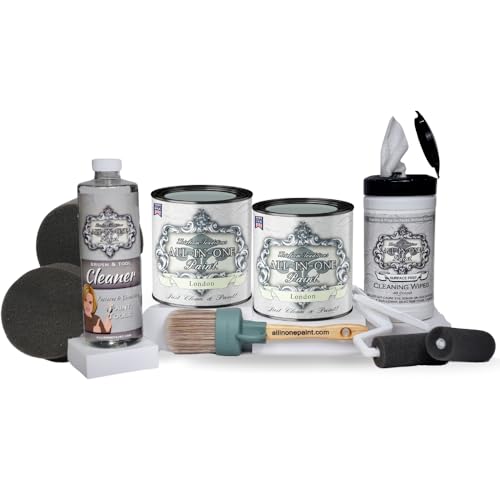
Choose the right primer that matches the finish you desire. I recommend a high-quality bonding primer that adheres to glossy surfaces without issue. This step ensures that the color layer will stick properly and provides a smooth foundation.
Next, select your favorite hue from the extensive palette. Each shade offers a unique character, so testing samples on a small area helps determine how it interacts with your lighting. I typically enjoy experimenting with the tones in different contexts to find the perfect match for my space.
Application is crucial. Using a high-density foam roller allows for even coverage and minimizes brush marks. For intricate details or edges, a fine-bristled brush ensures precision. I often apply multiple thin coats, allowing adequate drying time between applications to build depth and richness.
Finally, consider adding a protective top coat to enhance durability. A clear varnish can safeguard your hard work from scratches and wear while preserving the stunning finish you’ve achieved. Regular maintenance, like gentle cleaning, will keep your newly revamped piece looking fresh for years to come.
Painting Tips for Your Project
Choose a suitable primer tailored for the surface type. If using a wooden item, I often select a shellac-based undercoat to ensure a solid base. For metal, an oil-based primer works wonders in achieving adherence and durability.


- Allow the primer to dry completely before proceeding; this step truly enhances the finish.
- Use fine-grit sandpaper after priming, ensuring a smooth touch before application. This will help the subsequent layers adhere better.
Select the ideal color and finish. Popular options include Estate Emulsion for a matte look or Modern Eggshell for a slight sheen. I prefer lighter shades, as they tend to brighten spaces.
Utilize high-quality brushes or rollers. A synthetic brush is excellent for achieving smooth strokes, while a foam roller covers larger areas quickly. Start from corners and edges before filling in the larger sections.
- Apply a thin layer first. This prevents drips and allows for easier touch-ups.
- Once dry, inspect for imperfections. Sand lightly and apply a second coat if necessary.
- Finish with a protective topcoat, especially on surfaces that see heavy use. A clear varnish can provide added resilience.
Allow the item to cure for several days before using it. This ensures that the finish hardens properly, providing long-lasting beauty and protection.
Selecting the Right Farrow and Ball Color for Your Piece
Choose a hue that complements your environment and aligns with your aesthetic vision. Start by considering the overall ambiance of the space. For a cozy atmosphere, opt for warm tones like “Setting Plaster” or “Old Ochre.” If seeking a more tranquil vibe, cool shades such as “Skimming Stone” or “Pigeon” work well.
Test Samples on Your Surface
Acquire paint samples and apply them to a small section of your item. Observe how different colors appear under various lighting conditions. Natural light can enhance subtleties, while artificial light may alter the perceived tone.
Consider Existing Elements
- Evaluate surrounding colors from walls, fabrics, and other décor.
- Choose shades that harmonize or provide a striking contrast, depending on your intent.
- Look for inspiration in nature, art, or textiles for unique combinations.
Finally, reflect on your emotional connection to specific colors. Personal resonance can guide your selection, ensuring the finished result feels uniquely yours.
Preparing Your Furniture for Painting with Farrow and Ball
First, I ensure the surface is clean by wiping it down with a damp cloth to remove dust and grime. If there are any stains, I scrub them gently using a mild detergent.
Next, I assess the condition of the piece. If there are scratches or old finishes, sanding is necessary. I use fine-grit sandpaper (around 220 grit) to smooth over rough areas, taking care not to damage the wood grain.
Repairing Damage
For deeper scratches or dents, I fill them with wood filler and allow it to dry completely before sanding it smooth again. This step is crucial for achieving an even finish.
Priming the Surface
If the item has a glossy finish or is made of a material like laminate, applying a primer designed for that surface type is advisable. I select a high-quality primer, ensuring excellent adhesion and a smooth finish. Once the primer has dried, I lightly sand it again to prepare the surface for the final color application.
Choosing the Appropriate Tools for a Smooth Finish
Select a high-quality brush or roller suited for your chosen coating. Synthetic brushes work best for water-based formulas, while natural bristles are ideal for oil-based options. A 2-3 inch angled brush allows for precision when cutting in edges and corners, ensuring a clean application.
For larger surfaces, use a foam roller that provides an even finish without leaving lint or stippling marks. Opt for a roller with a 10-12mm nap for smooth surfaces to avoid texture.
Consider using a paint tray with a liner to facilitate loading your brush or roller. Additionally, a small, handheld sponge roller can help you reach tight spots and intricate details, enhancing the final look.
Don’t forget to have quality sandpaper on hand. A fine-grit paper will help smooth surfaces before starting. A tack cloth is also useful for removing any dust particles that could mar the finish.
A paint stirrer is necessary for thoroughly mixing the coating, ensuring consistent color and texture throughout the project.
Lastly, invest in painter’s tape for clean edges. Apply it along areas you want to protect before starting your application process–it will create sharp lines and an overall polished appearance.
Applying Farrow and Ball Paint: Techniques for Best Results
Begin by using a high-quality primer suited for your specific surface to ensure proper adhesion. This step is vital when working on slick or previously finished items. After the primer dries, lightly sand the surface using fine-grit sandpaper to achieve a smooth texture, which aids in the paint application.
Use a brush for detail work and a roller for larger areas. When employing a brush, hold it at a 45-degree angle to spread the product evenly. This technique helps prevent streaks and allows for better precision around edges. For larger sections, choose a foam roller to achieve an even consistency and reduce the appearance of brush strokes.
Apply multiple thin coats rather than one thick layer. Allow each coat to dry completely before adding the next. This ensures better coverage and a more polished finish. Between coats, lightly sand the surface again to remove any imperfections. This method not only improves adhesion but also enhances the overall texture.
For intricate designs or corners, consider using a fine tip artist brush. This allows for greater control and detail in tight spots. Additionally, using painter’s tape to mask off areas can help maintain clean lines and prevent unwanted application on adjacent surfaces.
After completing the application, allow the final coat to cure for several days, depending on environmental factors. Proper curing improves durability and overall finish quality. During this time, avoid placing items on the newly finished surface to ensure it sets correctly.
Allowing for Proper Drying and Curing Time
To achieve a durable and flawless look, I prioritize allowing ample time for my chosen coating to dry and cure thoroughly. Initial drying usually requires at least 2-4 hours, but I often extend this period for best results, especially in humid environments.
Curing, on the other hand, is a lengthier process; it can take several weeks. During this time, the surface hardens and becomes more resistant to wear and damage. I make it a point not to use the item immediately after coating to avoid imperfections.
| Phase | Recommended Duration | Tips |
|---|---|---|
| Initial Drying | 2-4 hours | Ensure good ventilation; avoid direct sunlight. |
| Curing Time | 2-4 weeks | Avoid heavy use during this period for best durability. |
During curing, I keep the surface free from dust and debris. If I need to apply additional coats, I ensure each layer dries fully before proceeding. This method maximizes adhesion and enhances the endurance of the finish.
Maintaining Your Painted Furniture Post-Project
Regular cleaning is key. Use a soft, damp cloth to wipe down surfaces, avoiding harsh chemicals that might damage the finish. For stubborn stains, a mild soapy solution works well. Ensure that any moisture is dried off to prevent water marks.
Preventing Damage
Place coasters under drinks and mats under decor to protect the surface. Avoid direct sunlight exposure, as UV rays can fade colors. Consider a sealant if the item frequently experiences heavy use, adding an extra layer of protection.
Touch-Ups and Repairs
Keep some leftover coating for touch-ups handy. If you notice scratches or chips, gently sand the area before applying a thin layer of the same hue. Allow it to cure properly to ensure a seamless blend with the surrounding area.
FAQ:
What type of surface preparation is needed before painting furniture with Farrow and Ball paint?
Before applying Farrow and Ball paint, it’s important to ensure the furniture surface is clean and smooth. Start by removing any dust or dirt with a damp cloth. If the surface has an existing finish (like varnish or lacquer), you should lightly sand it to create a key for the paint to adhere to. Make sure to wipe down the surface again after sanding to eliminate any fine dust particles. If there are any imperfections or scratches, filling them with wood filler and sanding them smooth will help achieve a polished final look.
Can I use Farrow and Ball paint on surfaces other than wood furniture?
Yes, Farrow and Ball paint can be successfully applied to various surfaces, not just wood furniture. It works well on metal, plaster, and even some types of laminate surfaces. However, proper preparation is still key. For metal surfaces, make sure to clean and prime them appropriately to prevent rust. For plaster, ensure the surface is dry and free from dust. Always check the product label for specific guidelines related to the surface you plan to paint.
How many coats of Farrow and Ball paint are typically needed for a good finish?
The number of coats required can vary based on the color and type of furniture. Generally, two coats of Farrow and Ball paint are recommended for optimal coverage and a rich finish. The first coat lays the foundation, while the second coat enhances the color and ensures a uniform appearance. Allow each coat to dry completely before applying the next, which usually takes around 2-4 hours depending on the conditions.
What tools should I use to apply Farrow and Ball paint effectively?
For the best results when painting furniture with Farrow and Ball, using a high-quality brush or roller is advisable. A good synthetic brush works well for detailed areas and edges, while a roller can speed up coverage on larger flat surfaces. Spreading the paint evenly is essential, so consider using a paint pad for specific sections. Additionally, make sure to have sandpaper, cleaning cloths, and masking tape on hand to achieve a clean finish and protect areas you don’t want to paint.
How do I maintain furniture painted with Farrow and Ball paint?
Maintenance of furniture painted with Farrow and Ball paint involves simple cleaning and touch-ups. For routine cleaning, use a damp cloth with mild soap to wipe away dirt. Avoid harsh chemicals as they can damage the paint. If you notice any scratches or chips over time, you can lightly sand the affected area and apply a small amount of the same paint to touch it up. It’s good practice to keep a small container of leftover paint for future repairs, ensuring your furniture looks fresh and well-kept.


