Caleb Turner

Choose a high-quality matte or satin sheen for the surface treatment. This creates a sophisticated and timeless appeal reminiscent of stylish interiors. Preparing the surface is key–clean thoroughly, sand lightly to promote adhesion, and use a primer designed for dark finishes to prevent any unwanted blemishes.
Utilize a foam roller for broad surfaces to achieve an even layer, and keep a brush on hand for corners or intricate details. Apply multiple thin coats instead of one thick layer; this method reduces drips and enhances durability. Allow each coat to dry thoroughly before proceeding, ensuring a flawless result.
After achieving your desired finish, seal the surface with a protective topcoat. A matte or satin polycrylic can safeguard against wear while maintaining that chic aesthetic. This final touch will not only protect your work but also enhance the smooth, elegant appearance that characterizes high-end designs.
Achieving the Pottery Barn Aesthetic with Dark Hues
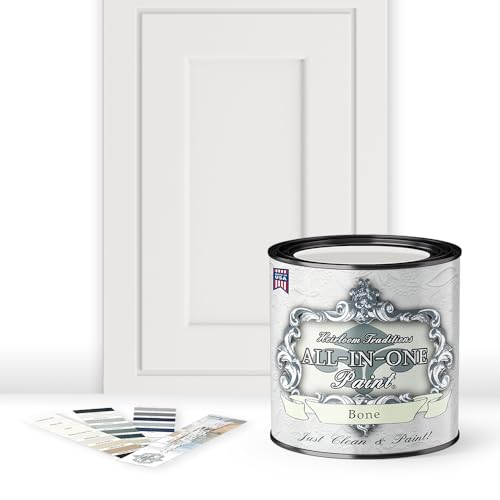
First, I opted for a high-quality primer specifically designed for non-porous surfaces. This step ensures that the finish adheres properly and lasts longer. After applying the primer and allowing it to dry completely, I selected a matte or eggshell finish in a deep shade of ebony, as it mimics the luxurious look of Pottery Barn.
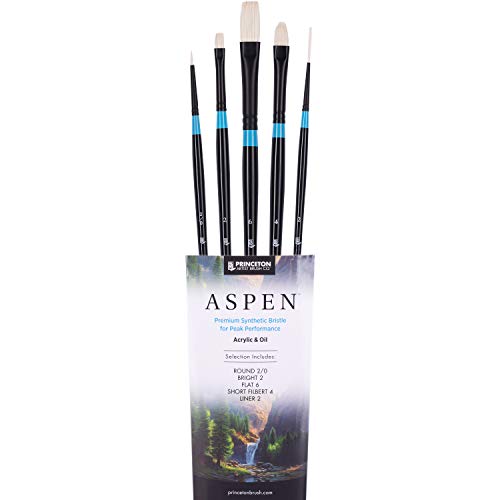

Using a foam roller for larger surfaces allowed me to achieve a smooth, even coat, while a brush was useful for intricate details and edges. I applied multiple thin layers, letting each coat dry thoroughly before adding the next. This method helped avoid drips and unevenness.
For the final touch, I added a protective topcoat. A matte polyurethane works beautifully to enhance durability without losing the sophisticated look I aimed for. I found it crucial to select a product that is low in VOCs to keep the fumes to a minimum during application.
Lastly, accessorizing with elegant hardware can elevate the overall aesthetic. Updating knobs and handles to antique brass or brushed gold creates a beautiful contrast against the dark finish, evoking that upscale ambiance reminiscent of a showroom. Embracing these details continually enhances the refined appeal.
Choosing the Right Type of Paint for Furniture
I recommend using a high-quality acrylic or water-based polyurethane finish for achieving that sleek, modern look. These types dry quickly and offer excellent durability, which is crucial for surfaces that see daily use.
A satin or semi-gloss sheen works well to imitate the refined style, as it provides a subtle sheen without being overly glossy. It helps in hiding imperfections while also adding depth to the surface.
For those drawn to a more rustic or matte finish reminiscent of reclaimed wood, consider using chalk-style products. They adhere well to various materials and allow for easy distressing, giving that sought-after vintage feel.
Always opt for paint specifically designed for furniture or cabinetry. These formulas resist scratches and stains, ensuring long-lasting results. Look for options that include primer in their composition to minimize the need for multiple coats and achieve better adhesion.
If working indoors, ensure proper ventilation and use non-toxic, low-VOC options to maintain air quality. Testing paint samples on a small area can also help visualize the final look before committing to the entire piece.
In summary, my preference leans towards a durable acrylic or a cozy chalk-style finish, depending on the desired aesthetic. Both choices provide versatility and high-quality results.
Preparing Your Furniture for Painting
First, ensure the surface is clean and free of any dirt or oils. I use a mixture of warm water and mild soap to wipe down each piece thoroughly.
Next, remove any hardware such as knobs or hinges. This not only protects these elements but also makes the process smoother.
Examine for imperfections. Fill any dents or scratches with wood filler and sand the areas once dried. Sanding helps create a smooth surface and enhances adhesion.
I recommend using a medium-grit sandpaper (around 120-150 grit) for initial sanding, followed by a fine-grit paper (220 grit) for the final touch.
After sanding, it’s essential to clean off all dust. I use a tack cloth or a damp sponge to ensure no particles remain on the surface.
If your item has a glossy finish, prime the surface. Applying a good primer will improve the final coat’s durability and appearance.
- Choose a quality primer suitable for the material.
- Apply even coats, allowing adequate drying time as indicated by the manufacturer.
Lastly, consider the workspace. Set up in a well-ventilated area, ideally outdoors or in a garage, to minimize fumes and ensure proper drying.
Selecting the Ideal Brush or Roller for Application
For achieving a smooth and professional finish on your project, the choice of tools is crucial. I recommend using either a high-quality synthetic brush or a foam roller, depending on the surface texture.
- Synthetic Brushes: Go for a brush made from nylon or polyester. A 2- to 2.5-inch angled brush works well for detail work and corners. This type of bristle picks up and spreads the coating evenly.
- Foam Rollers: A 4-inch foam roller is ideal for flat surfaces. It provides a smooth application and minimizes roller marks. Look for high-density foam for a finer finish.
Before starting, ensure your tools are clean and dry to avoid imperfections. It’s beneficial to test the application on a small area to gauge how the selected tool interacts with the surface and coating.
For intricate designs, a smaller brush provides precision, while wider options speed up the process on flat panels. It’s wise to invest in quality tools, as they significantly affect the end result.
Maintain a wet edge while applying the material to prevent lap marks. Working in manageable sections allows for better control, regardless of the tool chosen.
After finishing, clean your brushes or rollers immediately to extend their lifespan. Proper maintenance ensures they remain ready for your next creative endeavor.
Applying a Primer Before Painting
I recommend starting with a high-quality primer that adheres well to the surface. This step enhances durability and ensures an even finish. Select a primer suitable for the material of your item, whether it’s wood, metal, or laminate.
After cleaning and preparing the surface, apply the primer using a brush or roller. For intricate areas, a brush offers more control, while a roller can cover larger sections more quickly. Ensure adequate ventilation in your workspace to help the primer dry evenly.
Follow the manufacturer’s instructions regarding drying time. Typically, one coat is sufficient, but for porous surfaces, a second may be beneficial. Once fully dry, lightly sand the primed surface with fine-grit sandpaper for better paint adhesion.
Before proceeding to the coloring process, make sure there are no visible imperfections. A smooth base leads to a polished outcome, eliminating the risk of an uneven texture in the final layer.
Techniques for Achieving a Smooth Finish
To guarantee a flawless surface, I focus on several vital techniques. First, I recommend sanding between coats. After the initial application dries, I gently sand the surface with fine-grit sandpaper (around 220 grit), which eliminates imperfections and promotes adhesion for the next layer.
Choosing the Right Tools
The choice of tools impacts the result greatly. I use high-density foam rollers or angled brushes made of synthetic materials to apply the coating evenly. These tools minimize brush strokes and contribute to a professional outcome.
Layering Technique
I apply multiple thin layers instead of one thick coat. A heavier layer can lead to drips or unevenness. As each application dries, I keep an eye out for any imperfections that may appear, addressing them immediately for optimal smoothness.
| Technique | Description |
|---|---|
| Sanding Between Coats | Use fine-grit sandpaper for a seamless transition between layers. |
| Use Quality Tools | Opt for high-density rollers or quality brushes to reduce streaks. |
| Thin Coats | Apply several minimal layers rather than one thick coat to avoid runs. |
Understanding Drying Times Between Coats
I recommend allowing sufficient drying times between layers to achieve a flawless result. Typically, I wait at least 2 to 4 hours after applying each coat, but this can vary based on the specific brand of finish used and environmental conditions such as temperature and humidity. It’s wise to consult the manufacturer’s guidelines for precise timing.
Factors Influencing Drying Time
Humidity slows the drying process; hence, in a humid environment, timing should be adjusted. If the air feels damp, extending the wait could prevent issues like smudging or uneven texture. Additionally, higher temperatures can accelerate drying, but be cautious of excessive heat as it may lead to uneven application.
Testing for Readiness
A simple touch test can determine if the surface is ready for the next coat. I lightly touch a less visible area; if it feels tacky, it requires more time. Waiting until it’s completely dry allows for better adhesion and a smooth finish. Patience pays off in achieving a polished look.
In conclusion, being attentive to drying times and conditions ensures a beautiful, professional-quality finish without compromising durability.
Sealing the Finish for Longevity
To ensure the longevity of the finish, applying a protective sealant is a must. I recommend using a water-based polyurethane for its ease of use and quick drying times. This type of sealant maintains the aesthetic while providing a durable coat that resists scratches and stains.
Application Steps
- Wait 24 hours after the last layer of color has dried completely.
- Lightly sand the surface with fine-grit sandpaper to promote adhesion.
- Wipe down the piece with a damp cloth to remove any dust.
- Apply the sealant using a high-quality synthetic brush for an even coat.
- Allow the first coat to dry according to the product instructions before lightly sanding again.
- Repeat the application for a total of 2-3 coats, sanding in between for the best finish.
Additional Tips
- Choose a matte or satin finish based on the desired look; satin provides a subtle sheen.
- Consider reapplying the sealant every couple of years to restore protection.
- For outdoor items, select a sealant specifically designed for exterior use to enhance weather resistance.
Incorporating Distressing Techniques for a Vintage Look
To achieve an authentic vintage appearance, I recommend using distressing techniques that add character and depth to your piece. One effective method involves sanding specific areas to expose the underlying layers and create a worn look. Focus on edges and corners where natural wear would occur over time.
Another approach is to employ a wet distressing technique. After your final coat dries, lightly dampen a cloth and gently rub the surface in areas where you want to reveal the base color beneath. This creates a more subtle effect, as the moisture lifts the paint without removing it entirely.
Using a hammer or chaining tool on edges can also introduce unique textures and imperfections. Lightly tap along corners and surfaces for a weathered effect. Just be cautious to control the intensity to maintain elegance.
For an additional layer of depth, consider applying a wax finish after distressing. This not only seals the paint but also enhances the features you created with distressing. Pick a tinted wax to complement your chosen shade, which can pull everything together beautifully.
| Technique | Tools Needed | Result |
|---|---|---|
| Light Sanding | Sanding block or paper | Worn edges and corners |
| Wet Distressing | Cloth, water | Subtle color reveal |
| Texturing | Hammer, chaining tool | Rugged appearance |
| Tinted Wax Finish | Brush, wax | Enhanced depth and shine |
By implementing these techniques, your project will reflect the charm of vintage furnishings, capturing the essence of timeless beauty and craftsmanship.
Maintaining and Caring for Your Refinished Pieces
Regular dusting with a soft microfiber cloth helps prevent scratches and buildup on the surface. For deeper cleaning, I use a damp cloth with mild soap, ensuring to dry immediately to avoid water damage.
Apply a furniture polish specifically designed for painted surfaces every few months to maintain luster and provide a protective barrier against scratches. Opt for a product that is silicone-free to prevent buildup over time.
Avoid placing hot items directly on the surfaces, as extreme temperatures can damage the finish. Always use coasters or placemats to protect your pieces.
Address chips or scratches promptly by touching up the affected areas with leftover paint. Use a small brush for fine details, ensuring smooth blending with the existing finish.
Keep items off surfaces where they may be prone to scratches, and consider using rugs or mats under frequently used objects to minimize wear.
Lastly, position items away from direct sunlight to prevent fading and deterioration of the finish. Regularly check for signs of wear, addressing them immediately for prolonged beauty and longevity.