
 Caleb Turner

Before any transformation, thorough preparation is essential. I advise starting with a gentle clean, removing any dust or grime that might have accumulated. This step ensures the surface is ready for the application process.
Select a quality primer; it creates an ideal foundation, especially for pieces that have intricate designs or details. Applying primer not only enhances adhesion but also helps to prevent stains from the original finish from bleeding through the new finish.


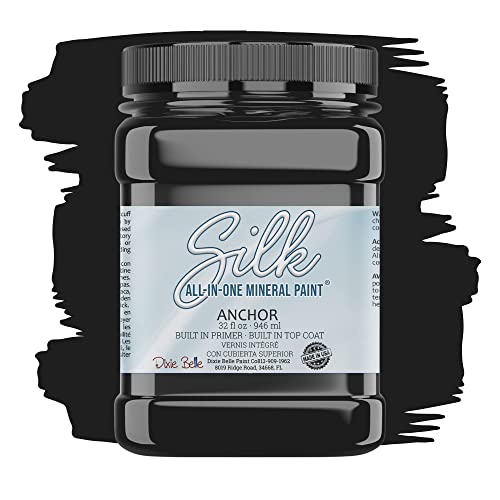
Choosing the right color palette is crucial to achieving that charming vintage aesthetic. Soft whites, muted pastels, and distressed shades resonate well with this style. I recommend testing a few samples to see how they interact with your space’s lighting before committing.
When applying your chosen hue, use a high-quality brush or roller for a smooth finish. Thin, even coats are key to avoiding drips and achieving a professional look. Allow ample drying time between coats to achieve that sought-after flawless appearance. For an extra touch, consider finishing with a protective topcoat for durability.
Transforming Classic Designs
Choose a high-quality chalk or mineral-based coating for a stunning matte finish. These options adhere well and provide an authentic vintage appeal. Lightly sand the surface to create a better bond, focusing on areas with imperfections. A grit of 220 works effectively for this stage.
For a flawless result, apply a primer to prevent bleed-through from any previous stains and to enhance adhesion. Wait for it to dry completely, then apply the first coat of your chosen hue with a smooth brush or a foam roller to minimize texture.
After the initial coat dries, inspect for coverage. A second layer usually guarantees uniformity and richness in color. Allow this coat ample drying time as well.
Once dried, consider adding a protective clear finish to enhance durability, especially if the piece will endure wear and tear. A water-based polycrylic provides a crystal-clear shield without yellowing over time.
For additional depth, experiment with a distressed look. Lightly sand edges or use a damp cloth to wipe away some of the paint, revealing the original wood or previous layers underneath.
| Material | Recommended Products | Drying Time |
|---|---|---|
| Primer | Bullseye 1-2-3 or KILZ | 1-2 hours |
| Top Coat | Minwax Polycrylic | 2-4 hours |
| Paint | Chalk Paint by Annie Sloan or Fusion Mineral Paint | 1-2 hours |
After completing the application process, avoid heavy usage for at least a week. This allows the finish to cure properly. Regular cleaning with a damp cloth will maintain the aesthetic and longevity of your piece.
Choosing the Right Paint for Furniture
Select a high-quality acrylic or chalk fusion coating for a durable and appealing finish. These options adhere well to wood and provide a smooth texture suitable for vintage styling.
Types of Paints
- Acrylic: Dries quickly and is water-based, making clean-up simple. Ideal for a resilient coating.
- Chalk Fusion: Offers a matte finish, which complements rustic designs. No primer necessary, allowing for easy application.
- Milk Paint: A natural choice that creates a unique, aged effect. Requires mixing with a bonding agent for proper adhesion.
Color Selection
Choose neutral or pastel shades that reflect classic aesthetics. Soft whites, light grays, and muted blues provide a serene ambiance, while deeper hues can highlight features or add depth.
- Test samples in different lighting to observe how colors shift.
- Consider complementary shades for accents or details.
Consider using a primer before applying your chosen paint to enhance adhesion and reduce the number of coats needed. This is particularly relevant for dark finishes or when transitioning to lighter tones.
Always ensure proper ventilation when working with chemical products. Follow manufacturer instructions for drying times and layering for optimal results.
Preparing the Surface for Painting
Begin with a thorough cleaning of the items to remove any dust, grease, or oils. A mixture of warm water and mild soap works well; ensure all residues are eliminated. Rinse with clean water and allow to dry completely.
Sanding the Surface
Next, sand the surfaces using a medium-grit sandpaper (around 120-grit). This step is crucial for creating a good bond between the new coating and the existing finish. Focus on areas with imperfections and ensure a smooth texture overall. After sanding, wipe the surfaces with a damp cloth to eliminate any dust created during the process.
<h3 Priming the Base
Applying a primer is highly recommended, especially if the piece has a glossy finish or significant color contrasts. Choose a high-quality primer suitable for the material of your pieces. Follow the instructions for drying times to achieve optimal adhesion for the subsequent layer of color.
Selecting the Ideal Brush and Tools
For achieving precise results, I recommend a high-quality synthetic brush for this particular project. A 2- to 3-inch angled brush is perfect for corners and detailed areas, allowing me to navigate intricate designs easily. For larger surfaces, a foam roller provides smooth application without brush strokes, which is crucial for a clean finish.
Don’t overlook the importance of a good sanding block or sponge; I always use 120-grit sandpaper for light scuffing to ensure better adhesion of the finish. Additionally, a clean cloth is vital for wiping off any dust before applying my chosen coating, ensuring a flawless look.
For more intricate details or grooves, a detail brush helps me reach tight spots that a standard brush can’t accommodate. I also find a small spray bottle of water handy for misting surfaces, especially for chalky or matte products, promoting an even spread.
Lastly, I suggest investing in a paint scraper for any necessary touch-ups. This tool helps me remove any drips or imperfections that occasionally occur, maintaining a polished appearance throughout the process.
Applying the First Coat of Paint
I begin with a well-prepared surface, ensuring it’s clean and dry. Using a quality brush or roller, I pour a small amount of my chosen color into a tray. I dip the brush lightly, shaking off any excess to avoid drips.
Starting at the edges and corners, I apply the coating evenly, working my way towards the center. I maintain a consistent pressure to prevent streaks, using long, smooth strokes. It’s crucial not to overload the brush; a little goes a long way.
I often use a foam roller for larger flat areas, as it provides an even finish with fewer brush marks. For intricate detailing, a smaller brush can be more effective. I watch for drips and immediately smooth them out with my brush.
Once the first layer is applied, I allow it to dry completely. I typically check the manufacturer’s recommendations for drying time, as this varies. If I notice uneven spots, I lightly sand those areas after drying to ensure a smooth application for the subsequent layers.
After the initial coat has dried thoroughly, I assess whether a second or third layer is necessary, especially if I want a more opaque finish. The drying process is an opportunity to clean any tools used, ensuring they’re ready for the next touches.
Techniques for Achieving a Smooth Finish
Using a high-quality primer is my first recommendation. A good base creates a more even surface and helps the top layer adhere better. After applying the primer, I wait for it to dry completely before proceeding.
For the top coat, a satin or semi-gloss finish offers the best results. I personally favor using a spray gun for application, as this method reduces brush strokes and provides an ultra-smooth surface. If I choose to use a brush, I opt for a high-density foam brush to minimize imperfections.
After the initial coat, I gently sand the surface with fine-grit sandpaper once it’s fully dry. This helps eliminate any bumps or rough spots. I make sure to wipe away the dust with a microfiber cloth before applying the next coat.
Applying thin layers is crucial. Instead of overloading the brush or spray gun, I work in light coats, allowing each layer to dry thoroughly before adding another. This incremental approach prevents drips and achieves that desired smoothness.
Finally, I finish with a protective clear top coat, which not only enhances the durability of the finish but also adds a lovely sheen. I allow adequate drying time between each application to ensure the best possible outcome.
Creating a Distressed Look: Step-by-Step
Begin with some sandpaper, preferably medium-grit, to lightly scuff the surface of the item. This step ensures better adhesion of layers and can influence the final texture. Advance to fine-grit sandpaper after the initial pass to smooth out the surfaces, particularly edges and corners where wear would naturally occur.
Layering Multiple Paint Coats
Apply a base coat of a soft color. Once dry, use a minimal application of a contrasting hue. Employ a brush or rag to wipe off excess paint. This method highlights wear naturally; focus on areas that would traditionally see more use. Allow each layer to dry completely before proceeding to avoid unwanted blending.
Adding the Final Touches
For the final distressed impression, utilize a damp cloth dipped in a small amount of stain or antiquing wax. Lightly rub over edges and detailed areas, creating an aged look. Seal the entire piece with a clear matte finish to protect your work yet maintain the rustic charm.
Sealing and Protecting Your Painted Furniture
To ensure longevity and maintain the aesthetic of your newly refreshed pieces, I recommend applying a strong topcoat. Choose between water-based polyurethane for a clear finish or a wax finish for a soft sheen. Each option provides a distinct look and protection level.
Application Tips
- Apply the topcoat with a high-quality synthetic brush or foam applicator, ensuring even coverage.
- Work in thin layers, allowing sufficient drying time between coats for optimal durability.
- Lightly sand between layers with fine-grit sandpaper to enhance adhesion and create a smooth surface.
Regular Maintenance
After sealing, protect surfaces with coasters and avoid exposing them to direct sunlight to prevent fading. For routine cleaning, use a gentle soap and water solution, avoiding harsh chemicals that may damage the finish.
Should you notice any signs of wear, don’t hesitate to reapply the topcoat in those areas, ensuring your pieces continue to look their best for years to come.
Styling Your Bedroom with Painted Furniture
Incorporating beautifully finished pieces can transform the aesthetic of your sleeping space. I prefer soft, muted tones that exude elegance. Using shades like pale blue, soft gray, or creamy white enhances natural light and creates an inviting atmosphere.
Mix textures and finishes to add depth to your design. Pair items with a matte finish with those that have a slight sheen. This contrast creates visual interest while maintaining cohesion. Consider adding a touch of metallic in accessories for an elegant edge; brass or gold accents complement painted designs beautifully.
Incorporate fabrics that reflect your palette. Textiles such as linens and cotton in complementary colors provide comfort and style. Choose bedding and curtains that harmonize with the hues of your revamped pieces, enhancing the overall look.
Placement is key. Arrange your items to promote a sense of balance and flow. Position your transformed pieces alongside traditional accents like a vintage chair or a classic mirror. This blending of styles allows for a curated yet lived-in feel.
Lastly, accessorize with care. Select decor items that echo your color scheme and theme. I find that a few well-chosen accessories–a vase, lamps, or artwork–can tie everything together without overwhelming the space. Maintaining simplicity in decor will highlight the beauty of your newly styled area.
Maintenance Tips for Long-Lasting Results
Regular dusting with a soft cloth helps maintain the sheen of the surface. Avoid abrasive materials that can scratch the finish. For deeper cleaning, mix a few drops of mild soap with warm water and use a damp cloth. Wipe with a dry cloth to prevent moisture damage.
Protection from Sunlight
Position items away from direct sunlight to prevent fading. Use curtains or blinds to filter light, preserving the color integrity over time. If possible, rotate the pieces periodically to ensure even exposure.
Handling and Care
Use coasters and placemats to protect against heat and moisture from drinks or food. For scratches, a touch-up kit containing matching paint or wax can be handy. Apply with a gentle hand, feathering the edges for a seamless repair.
Monitor humidity levels in the room as extreme fluctuations can cause warping. Using a dehumidifier or humidifier can help maintain stable conditions. Keep the environment cool and dry to extend the life of the finishes.
Lastly, consider reapplying a protective topcoat every few years. This simple step can refresh the surface and restore its original glow, ensuring your creations remain stunning for the long run.
FAQ:
What type of paint is best for painting French provincial bedroom furniture?
For painting French provincial furniture, it’s recommended to use chalk paint or mineral paint. These types of paint adhere well to wood surfaces and provide a matte finish that aligns with the traditional aesthetics of French provincial style. Additionally, chalk paint requires minimal prep work, as it can be applied directly to the surface with little to no sanding, making it user-friendly for DIY projects.
How do I prepare my French provincial furniture before painting it?
Preparation is key to ensuring a smooth finish. First, clean the furniture thoroughly to remove any dust, grease, or old wax. Then, inspect for any scratches or dents; if necessary, fill these with wood filler and sand the surface lightly. If the furniture has a glossy finish, it may be beneficial to sand it to create a better surface for the paint to adhere to. Lastly, wipe down the piece with a damp cloth to remove any dust created during sanding and allow it to dry completely before painting.
What techniques should I use for a distressed look on painted furniture?
To achieve a distressed look on your painted furniture, first apply one or two coats of paint of your choice, allowing ample drying time. Once dry, you can gently sand areas that would naturally wear, such as corners and edges, using fine-grit sandpaper. For added depth, consider applying a darker color or glaze over the top coat and then lightly sanding it back in certain areas to reveal the underlying color. This technique replicates the authentic wear and tear often found in vintage French provincial pieces.
How can I protect my painted furniture after finishing the project?
To protect your painted furniture, it is wise to apply a clear sealer or topcoat once the paint is dry. Choose a product designed for use with the type of paint you applied, such as a wax finish for chalk paint or a water-based polyurethane for other paints. This topcoat will enhance durability and help resist scratches and stains. Additionally, placing coasters under drinks and avoiding direct sunlight can help maintain the finish over time and keep your furniture looking great.


