
 Caleb Turner

The key to achieving an enchanting botanical design on any surface is selecting the right materials. I recommend using acrylic colors that adhere well to your chosen items and offer a diverse color palette. Always opt for a high-quality primer to prepare the surface, ensuring that the colors adhere smoothly without fading over time.
Begin by sketching your chosen arrangements lightly with a pencil. This foundational outline helps maintain proportions and composition, making the subsequent application of colors more precise. Once satisfied with the sketch, it’s time to layer in base tones before adding details and highlights for depth.
Utilize fine brushes for intricate details, focusing on the petals and leaves to create texture. Mixing tints can elevate your design, adding dimension and realism. Lastly, applying a clear sealant will protect your artwork from wear and tear, preserving its charm for years to come.
Application Techniques for Floral Designs on Surfaces
I prefer to opt for acrylic-based materials, as they adhere well and dry quickly. Before I begin, I always prepare the surface with a light sanding to create a smooth base. This helps the colors to show their true intensity and adhere better.

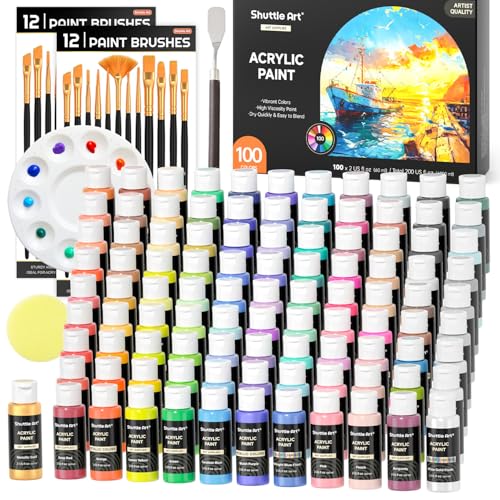

For sketching my designs, I utilize a pencil or chalk for easy corrections. I often draw simple outlines of my chosen blooms before filling them in with color. Layering is essential; I start with the lighter shades and gradually add darker tones for depth.
Utilizing various brushes is key – a flat brush for broad strokes and a fine-tipped one for intricate details. These allow me to create a more realistic look, especially for petals and leaves. Mixing shades adds dimension, and I frequently work with a palette to explore different blends before applying them directly.
To ensure durability, I apply a clear sealant once the artwork dries completely. This protects against wear and tear while enhancing colors. Touch-ups can be made over time without needing to redo the entire piece.
Experimenting with different styles, such as watercolor effects or bold outlines, keeps the process exciting. I gather inspiration from nature or botanical illustrations, helping me diversify my techniques and personal expression. Each piece becomes uniquely mine, reflecting both my skills and aesthetic preferences.
Selecting the Right Type of Wood Furniture for Painting
Choosing the appropriate surface is key for achieving great results with your designs. I recommend focusing on pieces made from birch or maple. These hardwoods have a fine grain that allows intricate details to stand out without overwhelming your artwork.
Avoid using very soft varieties like pine or cedar, as their texture can absorb too much medium, resulting in a less defined appearance. Instead, look for well-finished items. Oak can work as a playful texture, but be mindful of its prominent grain that may distract from delicate elements.
Always ensure the surface is clean and sanded. For laminate or particleboard pieces, consider priming first. Using a quality primer helps the base layer adhere better, preventing any unwanted lifting of your designs over time.
Test your mediums on a small, inconspicuous area before committing to larger sections. This approach allows you to gauge how the chosen material interacts with your supplies, ensuring a satisfying outcome and long-lasting beauty.
Preparing the Surface for Optimal Paint Adhesion
To ensure maximum adherence of your chosen color medium, begin with a thorough cleaning of the surface. Remove all dust, dirt, and grease using a soft cloth dampened with a mild detergent solution. Rinse thoroughly and allow it to dry completely.
Sanding the Surface
Next, lightly sand the area with fine-grit sandpaper (220-grit works well) to create a slightly rough texture. This helps the coating grip better, reducing the chances of peeling later. Make sure to sand in the direction of the grain to avoid scratches.
Sealing and Priming
If the finish is glossy or previously painted, applying a suitable primer is advisable. Select a bonding primer specifically designed for the material you are working with. This step enhances adhesion and provides a more uniform base, ensuring the topcoat appears vibrant and even.
Once the primer is dry, lightly sand again with fine-grit paper for a smoother surface. Wipe down again to remove any dust particles. This prep work creates an ideal canvas for the decorative work to follow.
Choosing the Best Paint Types and Brushes for Flower Designs
The selection of high-quality materials significantly impacts the outcome of your project. I recommend using acrylics for their quick drying time and versatility. They adhere well to treated surfaces, making them ideal for this kind of work.
For fluidity and blending, consider heavy-bodied acrylics. They provide rich pigmentation that stands out and allows for layering techniques.
- Water-based Paints: These are user-friendly and easy to clean up. They emit fewer fumes compared to oil-based options.
- Chalk Paints: This type creates a matte finish, giving a rustic look that suits a vintage style.
- Enamel Paints: For durable surfaces, enamel is a solid choice. It provides a glossy, hard finish and excellent weather resistance.
Choosing brushes is equally critical. I suggest a variety of sizes for different techniques:
- Flat Brushes: Great for covering large areas and creating broad strokes.
- Round Brushes: Useful for detailing and finesse, ideal for petal shapes and intricate patterns.
- Liner Brushes: Excellent for fine lines and delicate elements in your designs.
Invest in good quality brushes with synthetic bristles; they hold their shape better and are easy to clean. Don’t forget to have a water container and paper towels on hand for quick rinsing and corrections.
Sketching Flower Patterns on Wood Before Painting
To achieve precise designs, I begin by selecting a pencil with a fine tip for detailed work. I lightly draw the outlines of the blossoms, starting with the basic shapes such as circles and ovals for petals and centers. It’s vital to keep the lines soft, allowing for adjustments as I refine the composition.
Using a reference image can greatly enhance the accuracy of my sketches. I often choose photos that showcase flowers from various angles, offering insights into natural proportions and shading. This step provides clarity, ensuring I capture the essence of the blooms on my surface.
Creating Depth and Dimension
For added depth, I consider using shading techniques in my sketches. I incorporate soft lines to represent shadows, indicating where I plan to apply darker paint hues later. This preparation aids in visualizing the final outcome.
Finalizing the Design
Once I am satisfied with the overall arrangement, I carefully erase any unnecessary lines, preserving the clean outlines. This stage is crucial; my final design should be both balanced and aesthetically pleasing, setting the stage for the subsequent application of color.
Applying Base Coats and Layering Colors for Depth
To achieve a well-defined and dimensional look, I recommend applying a light base coat as the first step. This coat should be a soft hue that complements the floral design you intend to create. A pastel shade often works best, as it allows subsequent layers to stand out.
Steps for Base Coat Application
- Sand the surface lightly to ensure proper adhesion.
- Use a high-quality brush or roller for an even finish.
- Let the base coat dry completely before proceeding.
Once the foundational layer is in place, I begin layering colors to initiate depth. I mix various shades of the primary floral colors, using darker tones for shadows and brighter shades for highlights. This contrast makes the design appear more lifelike.
Layering Process
- Start with the darkest shades in the recessed areas of the design.
- Gradually blend lighter tones on top, focusing on areas that would naturally catch light.
- Use a dry brush technique to soften the transitions between colors.
- Continue layering until the desired effect is achieved, allowing each layer to dry before adding the next.
This method not only enhances the look but also adds an element of sophistication to the finished piece, making your decorative motifs stand out prominently.
Finishing Touches: Sealing Your Painted Flower Designs
To protect my intricate designs, I select a clear acrylic sealer. This option allows the colors to shine through without altering their appearance. I choose a matte finish for a subtle look or a gloss finish for added vibrancy.
Before applying the sealer, I ensure the paint is completely dry. Typically, I wait at least 24 hours, depending on the paint type used. This step prevents any smudging and preserves the integrity of the artwork.
I apply the sealer using a soft brush or a spray can for an even coating. A spray application works well on detailed areas, allowing for better coverage without disrupting the painted surface. I aim for light, even strokes to avoid runs or drips.
Every coat strengthens the protection, so I usually apply two to three layers for optimal durability. I wait about an hour between coats, allowing each layer to cure properly.
After the final coat, I let the piece cure for an additional 48 hours. This ensures that the sealant fully adheres and the designs are safeguarded against scratches and water damage.
| Type of Sealer | Finish Options | Application Method |
|---|---|---|
| Acrylic Clear Sealer | Matte | Soft Brush |
| Acrylic Clear Sealer | Gloss | Spray Can |
Using this method ensures the longevity of my designs, allowing me to enjoy my handiwork for years to come.
Maintenance Tips for Painted Wood Furniture with Floral Designs
Regular dusting with a soft, lint-free cloth prevents buildup that can tarnish designs. Avoid using abrasive cleaners; instead, opt for mild soapy water for occasional cleaning.
Inspect surfaces for scratches or chips; address them swiftly with touch-up paint. Use a fine brush for small areas to ensure precision.
Keep items off surfaces to reduce wear. Use coasters or mats beneath objects to minimize the risk of scratches and moisture damage.
Apply a protective sealant every few years, as it enhances durability and maintains aesthetic appeal. Choose a water-based polyurethane for a clear finish that won’t alter colors.
Store your pieces in a stable environment, away from direct sunlight and humidity, which can cause colors to fade and surfaces to warp.
Consider repositioning the items periodically. This not only helps even out wear but can also refresh the look of your space.


