
 Caleb Turner

If you want to enhance your homemade pieces, consider using acrylics or specialized finishes that adhere well to the substrate. Begin by preparing the surface meticulously: sand it down to remove any glossy finish and ensure good adhesion. A primer could be especially beneficial, providing a solid base for your artwork.
Next, select your tools wisely. Brushes come in various shapes and sizes; flat brushes are perfect for bold strokes, while fine-tipped ones lend themselves to detailed work. Stencils can also elevate your craftsmanship, allowing for precision without the hassle of freehand painting. Don’t forget to practice on a separate piece to get a feel for your tools and colors.
Once you apply the first layer of your chosen medium, give it time to dry completely before adding layers or details. Layering can create depth and interest; just remember to seal your work with an appropriate topcoat to protect it from wear and tear over time. This not only ensures longevity but enhances the vibrancy of your colors.
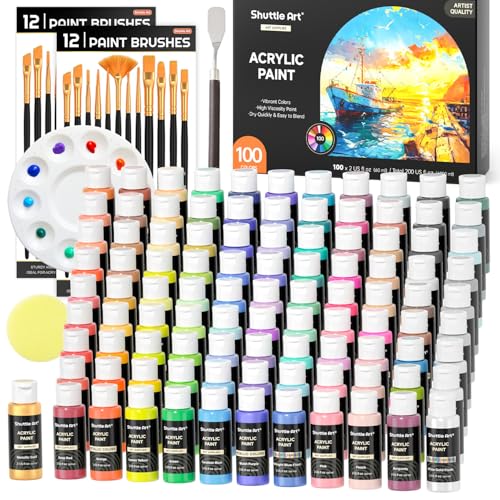


Finally, allow your creative instincts to guide you; experimenting with various techniques, like sponging or dry brushing, can lead to personal touches that reflect your unique style. With patience and attention to detail, your projects will surely stand out and breathe new life into everyday items.
Recommendations for Crafting Patterns on Surfaces
Choose acrylic or latex products specifically formulated for surfaces. Before beginning, I always ensure the piece is meticulously cleaned and sanded to create a smooth canvas. The adherence of colors relies on this basic preparation. I typically apply a primer tailored for the surface type to enhance durability and vibrancy of the hues used later.
Creating Patterns with Stencils
Using stencils simplifies the process significantly. I secure the stencil with painter’s tape to avoid any movement. For precise application, a foam brush or stencil brush provides excellent control. I prefer dabbing the brush rather than sweeping to prevent paint from bleeding under the stencil edges, ensuring crisp outlines of the chosen motifs.
Layering Techniques
Incorporating layering adds depth and intrigue. I practice applying a base layer and allowing it to dry completely before introducing additional colors. To achieve gradient effects, I slightly mix hues together while still wet or use a dry brush technique for blending. This approach brings a more dynamic look to the finished piece.
After the final layer has dried fully, I always apply a clear protective coat. This not only safeguards but also enhances the overall appearance, giving the piece a polished finish that stands out.
Choosing the Right Type of Paint for Wood
Select high-quality acrylic or latex for a durable, easy-to-clean surface. These options dry quickly and are water-based, making them eco-friendly and low in VOCs.
For a robust finish, opt for oil-based varieties. They provide a richer color and superior durability, especially for pieces subjected to wear and tear.
If you desire a matte finish, chalk paint is an excellent choice. It adheres well to various surfaces and creates a soft, antique appearance.
Consider specialty formulations, like milk paint, which is biodegradable and gives a unique, rustic look, perfect for vintage styles.
Always test on a small area before applying broadly to ensure compatibility with the existing surface and achieve the desired result.
Preparing the Surface: Sanding and Cleaning the Wood
For optimal results, smooth the surface using medium-grit sandpaper (around 120-grit). Move in the direction of the grain, applying even pressure. Address rough spots and any previous finishes to ensure a uniform base for application.
Once satisfied with the feel, switch to finer sandpaper (220-grit) to create an ultra-smooth finish. This step is crucial; it enhances adhesion and allows for a more seamless appearance once colors are applied.
After sanding, thorough cleaning is essential. Use a lint-free cloth or a vacuum with a brush attachment to remove dust and debris. For deeper cleaning, slightly dampen the cloth with water or a mild wood cleaner, ensuring no moisture seeps into the material.
Allow the surface to dry completely before proceeding. A clean, dry, and smooth area will significantly affect the final aesthetic and longevity of your project.
Creating a Design Template for Painting
To establish a clear layout for my project, I begin by sketching the desired pattern on paper. Using graph paper can aid in maintaining proportions and aligning elements. I ensure that all details are visible and distinctive.
Selecting the Right Tools
A set of pencils and erasers helps me refine my initial sketches, while rulers facilitate straight lines and accurate measurements. I often use a compass for circles and arcs, ensuring my template captures the intended geometric precision.
<h3.Transferring the Template
Once satisfied with the design, I prepare to move it onto the surface. I use carbon paper or a light box for tracing, ensuring that I accurately reproduce every element. For intricate details, I might opt for a stencil, which I can create from cardstock or plastic. This method guarantees consistency across multiple projects.
Before applying any color, I meticulously review the transferred layout. Adjustments are made to account for any discrepancies that arose during the transition. This careful attention helps in preventing mistakes that could disrupt the entire artistic vision.
Selecting the Best Brushes and Tools for Detailing
For intricate accents, I prefer using detail brushes that have fine tips, typically in sizes ranging from 00 to 2. These allow me to work precisely on small areas without excess paint straying onto adjacent surfaces.
Recommended Brush Types
- Round Detail Brushes: Ideal for creating fine lines and intricate patterns.
- Flat Brushes: Great for broader strokes and filling in larger sections.
- Liner Brushes: Perfect for delicate outlines and lettering.
Other Essential Tools
- Palette Knife: Useful for mixing colors and adding textured elements.
- Sponges: Great for creating soft, blended effects or textured backgrounds.
- Painter’s Tape: Helps in achieving clean edges and protecting areas from unwanted application.
For cleanup, a good set of brushes is just half the battle. I emphasize the need for quality water jars, as they help maintain the integrity of the brushes during use. Additionally, having paper towels or a clean rag on hand aids in quick corrections.
Investing in a variety of tools ensures versatility. As I experiment, I discover which combinations yield the best results for specific techniques. Having a dedicated workspace also keeps my tools organized and ready for the next creative endeavor.
Understanding the Importance of Primer in Wood Painting
I always apply a primer before applying any color finish. It enhances adhesion, allowing subsequent layers to bond effectively to the surface. This helps prevent issues like peeling or chipping over time.
A high-quality primer also creates a more uniform surface for the subsequent application. This is vital in achieving the desired aesthetic outcome. Without it, the base material can absorb pigments unevenly, leading to patchiness and inconsistent color depth.
Using a specific primer designed for porous materials improves the integrity of the finish. It fills small imperfections, ensuring a smoother appearance that highlights intricate details.
When choosing a primer, I look for one that matches my topcoat’s type, whether oil-based or water-based. This compatibility reduces the risk of adverse reactions between layers, making for a more reliable finish.
In situations where prior coatings exist, a bonding primer is a must. This type aids in sticking to the surface, especially if it has been previously painted or varnished. It provides a fresh foundation, ensuring that new applications perform as intended.
Applying Base Coats: Techniques and Tips
Choosing a high-quality base layer is crucial for achieving a smooth and polished finish. I opt for acrylic or latex base layers due to their quick drying times and easy cleanup.
Follow these techniques for optimal application:
- Mix Thoroughly: Stir the base coat well to ensure uniform color and consistency. This prevents unexpected shades during application.
- Use a Primer: If the surface is particularly porous or dark, applying a primer will enhance adhesion and prevent bleeding through.
- Testing: Always test the base coat on a hidden area first to see how it interacts with the surface and to catch any undesirable reactions.
- Thin Coats: Apply thin layers. This technique reduces drips and allows each coat to dry faster, which is especially useful in humid conditions.
- Proper Tools: Utilize foam rollers or high-quality synthetic brushes to achieve even coverage without streaks. Avoid using natural bristle brushes with water-based products.
- Wait Time: Allow sufficient drying time between coats as specified by the manufacturer, typically 1-2 hours. This ensures a solid base for subsequent layers.
Additional tips include:
- Maintain a consistent temperature during application, ideally between 70-75°F (21-24°C).
- Keep a damp cloth nearby to clean any spills or drips immediately.
Following these guidelines helps establish a strong foundation, setting the stage for a stunning finish. Happy layering!
Layering Colors: How to Blend and Shade Effectively
I recommend using a sponge applicator for blending hues seamlessly. This tool allows for a soft transition between colors, making it easier to achieve a natural gradient effect.
Start with a base layer of your primary tone, ensuring that it dries completely before adding additional shades. Once dry, add a second color using light, dabbing motions to create depth and dimension. During this phase, mixing a small amount of water with your paint can enhance the blending process.
For shadows, choose a darker variant of your base color. Apply it sparingly, focusing on areas where natural shadow would occur, such as corners and edges. This technique gives a three-dimensional look without overwhelming the overall appearance.
To create highlights, select a lighter tone and carefully dot it onto the raised areas. A fine brush or a detail nozzle can help precisely place these spots, improving the realism of your design.
Experimenting with the layering process is essential. I recommend testing your colors on a scrap piece before applying them to the main project. This will allow you to assess how hues interact and ensure that the final outcome meets your vision.
| Technique | Description |
|---|---|
| Sponge Blending | Use a sponge applicator for soft transitions between shades. |
| Layering | Start with a base, then build up with darker and lighter colors. |
| Highlighting | Apply lighter tones to raised areas for added dimension. |
| Shadowing | Use darker shades in corners and edges to create depth. |
| Testing | Always test color combinations on a scrap piece. |
Sealing Your Artwork: Best Finishes for Longevity
To protect your creations, opting for a clear sealant is crucial. I recommend using water-based polyurethane for its durability and ease of application. It dries clear, which ensures the colors remain vivid while providing a robust barrier against scratches and moisture.
Application Techniques
Before applying, ensure the surface is clean and dry. I use a synthetic brush or a foam applicator for smooth, even coverage. Apply thin layers, allowing each coat to dry thoroughly before adding another. Typically, two to three coats will suffice to achieve optimal protection.
Alternative Finishing Options
If you prefer a matte finish, consider using a water-based varnish. This option provides a sophisticated look while still offering considerable protection. For outdoor pieces, an exterior-grade sealant is advisable, as it’s formulated to withstand harsher conditions.
Maintaining Painted Furniture: Care and Repair Tips
I always recommend using a soft, damp cloth for routine cleaning to remove dust and smudges without damaging the surface. Avoid abrasive cleaners that can scratch or wear down the finish.
Regular Maintenance
<p: I suggest applying a thin layer of furniture wax every few months to add an extra protective barrier. This will help maintain the sheen and keep the artwork looking fresh. Ensure to buff the surface gently for a smooth finish.
Repairing Minor Damage
If scratches or chips appear, touch up with the same hue used previously. A small brush allows precision in applying color right to the affected area. Once dry, a light buff will help blend the touch-up seamlessly with the surrounding finish.
FAQ:
What types of paint are best for designs on wood furniture?
When painting designs on wood furniture, acrylic paint is often recommended due to its versatility and ease of use. It’s available in a variety of colors and can be mixed to create custom shades. For a more durable finish, consider using chalk paint, which provides a matte appearance and adheres well to wood without the need for extensive priming. If you’re looking for a glossy finish, enamel paint can be a great option, though it may require more drying time. Always ensure the paint is suitable for indoor use if the furniture is meant for the interior.
How do I prepare wood furniture before painting designs on it?
Preparing wood furniture is crucial for achieving a smooth and lasting finish. First, clean the surface with a mild detergent to remove dust and grease. Next, sand the furniture using fine-grit sandpaper to create a rough texture that helps the paint adhere better. If the surface has an old finish, you may need to strip it using a chemical remover or sanding it down thoroughly. After sanding, wipe down the furniture with a damp cloth to remove any dust particles. If necessary, applying a primer can enhance paint adhesion and color vibrancy.
Can I use stencils for painting designs on wood furniture?
Yes, stencils are an excellent tool for creating intricate designs on wood furniture. They help achieve consistent patterns and can be reused multiple times. To use stencils, secure them in place with painter’s tape to prevent any movement while painting. Use a sponge or a brush to apply paint over the stencil, ensuring that you don’t overload it to avoid bleeding under the edges. Once finished, carefully lift the stencil away while the paint is still wet for the best results.
What finishing techniques should I use after painting wood furniture?
After painting designs on wood furniture, applying a protective finish is vital for durability. Clear sealers, such as polyurethane, can protect the painted surface from scratches and stains. You can choose between water-based or oil-based sealers, depending on the desired finish; water-based ones dry faster and have less odor, while oil-based provide a richer finish. Apply the sealer with a brush or a spray, following the manufacturer’s instructions for number of coats and drying time. For a matte look, a matte sealer may be preferred.
How can I clean painted wood furniture without damaging the design?
To clean painted wood furniture, it’s crucial to use gentle methods to avoid damaging the design. Start by dusting with a soft, dry cloth to remove loose dirt. For deeper cleaning, use a damp cloth with a mild soap solution and gently wipe the surface. Avoid abrasive cleaners, as they can scratch the paint. After cleaning, dry the surface immediately with a soft cloth to prevent water damage. Regular maintenance, such as dusting and avoiding harsh chemicals, will help preserve the design over time.


