
 Caleb Turner

Begin with a thorough cleaning of the pieces to eliminate dust and grease. This crucial step ensures proper adhesion and a smooth finish on the surface. I recommend using a mild detergent and water, followed by a good rinse. Allow the items to dry completely before applying any treatment.
Select a high-quality chalk-like medium, which offers that desired matte finish and mimics the charming look of vintage pieces. I find that light pastel shades work wonders, infusing warmth and character into the items. To achieve a consistent hue, consider applying two to three coats, allowing adequate drying time between each application.
To add dimension, you might want to subtly distress the edges with sandpaper after the final layer dries. This technique embraces imperfections, enhancing that beloved rustic aesthetic. Don’t shy away from experimenting with stencils or stamps for personalized accents, creating a one-of-a-kind touch that reflects your personality.
Techniques for Achieving a Rustic Look
I typically use a combination of two different paint types to achieve depth and dimension. Begin with a base coat of chalky finish for a matte appearance. This layer should be applied evenly and allowed to dry completely. After that, I layer a semi-gloss or satin finish to add a subtle sheen that highlights the texture.

For a more relaxed aesthetic, I sometimes adopt a technique called distressing. After applying the top coat, I lightly sand edges and corners, revealing the undercoat. This creates an authentic, worn look characteristic of vintage pieces.
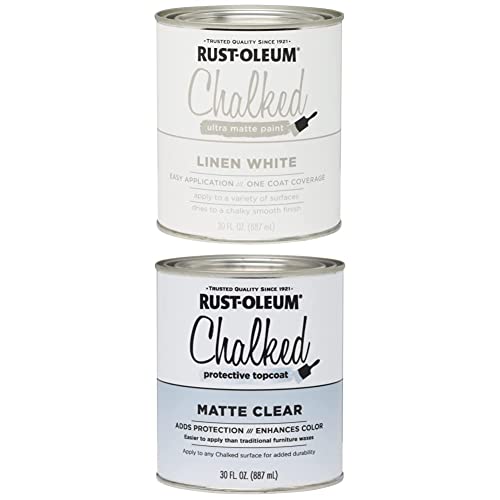
- Color Choices: I prefer soft pastels or muted earthy tones. Shades like creamy white, soft blue, or pale green evoke the desired ambiance.
- Textural Elements: Adding a glaze over the painted surface can enhance the visual appeal. I mix acrylic sealer with a small amount of glaze for a subtle effect.
- Patterns: Occasionally, I incorporate simple stenciled designs for added interest. Floral motifs or geometric shapes work beautifully.
I often use a high-quality brush for application to avoid streaking. For intricate areas, a fine detailing brush allows for precision and control. Make sure to work in smooth strokes and avoid overloading the brush with paint to prevent drips.
Don’t forget to seal your masterpiece after it dries completely. A clear topcoat protects against scratches and spills, ensuring durability while preserving the aesthetic charm.
Selecting the Right Paint for Cottage Aesthetic
I recommend using a matte or eggshell finish for a soft, inviting look. These finishes help to create a warm and casual atmosphere that aligns with the essence of a rustic ambiance.
Color Palette Choices
Choose light, muted colors such as pastel shades, soft greens, and gentle blues to achieve a serene environment. Warm whites and creams can also enhance the lightness of a room. For a pop of color, consider using subtle earthy tones, which can add depth without overpowering the overall feel.
Type of Coating
Utilize acrylic or chalk-based formulas. Acrylic paints are durable, easy to clean, and have low VOC emissions. Chalk-based options provide a vintage look and can be easily distressed for added character. Ensure that whatever you select is suitable for the material and will stand up to wear over time.
Testing on a small area before committing to a full project is a wise strategy to see how colors interact with light and space. This initial step can save time and resources down the line. Select a color that resonates with the intended atmosphere, and enjoy the transformation of your pieces!
Preparing Furniture for Painting: Steps to Follow
Begin by cleaning the item thoroughly. Use a mixture of mild soap and water to remove dust, oil, and grime. A damp cloth can help reach into crevices where dirt accumulates.
Next, inspect for any imperfections. Fill holes, cracks, or scratches with wood filler. After the filler dries, sand the surface smooth with fine-grit sandpaper, ensuring even texture across the entire surface.
Removing Previous Finishes
If the piece has an old finish, consider stripping it. Apply a paint stripper according to the manufacturer’s instructions, using a putty knife to gently scrape away the old layer. Be sure to wear gloves and work in a well-ventilated area.
Sanding and Priming
Once stripped, sand the surface again to eliminate any remnants of the previous coating. This promotes better adhesion for the new coating. Vacuum or wipe down the surface to remove dust particles. Apply a quality primer, especially for porous materials, to ensure a uniform base for the top layer.
Techniques for Achieving a Distressed Finish
To achieve an authentic weathered look, I use sandpaper or a sanding block to gently wear away the edges and surfaces after applying the base coat. Focus on areas that would naturally experience more wear, such as corners or handles.
Layering is key. I first apply a base coat in a neutral tone and let it dry completely. Then, I choose a top color and apply it without being too meticulous; the goal is to create an uneven application. Once dry, I softly sand through the top layer to reveal the base color underneath.
I sometimes experiment with waxing. After painting, I apply a clear wax over the top coat but leave some areas untouched for a more organic look. This method allows the underlying layer to subtly show through, enhancing the distressed effect.
If I’m aiming for a deeper vintage feel, I use a dry brushing technique. I dip a brush in a small amount of paint, then wipe most of it off before lightly dragging the brush across the surface. This subtle application creates texture and depth.
For an even more unique finish, I might add a final touch with a glaze. I mix a glaze with a pigment to create an antique effect. Applying this to crevices adds dimension and highlights details in the piece.
Choosing a Color Palette for Cottage Decor
For a warm and inviting look, I gravitate towards soft pastels and muted tones. Selecting a cohesive palette enhances the charm of the space. Consider these elements:
- Soft Neutrals: Shades like cream, light gray, and beige serve as a calming base.
- Pale Blues and Greens: Incorporate colors inspired by nature, such as sky blue or sage green, to evoke tranquility.
- Accent Colors: Use bolder hues like coral, mustard yellow, or lavender sparingly for character and focus.
When coordinating colors, I often use the 60-30-10 rule: 60% as the dominant color, 30% as a secondary tone, and 10% for accents. This approach creates balance while maintaining a lively atmosphere.
Additionally, testing paint swatches in different lighting conditions helps in making the right choice. Paint applied in natural light will appear differently than in artificial light, so I always observe how each hue transitions throughout the day.
In summary, the key to a successful color theme lies in harmonizing soft, nature-inspired shades with pops of color to build an inviting environment that reflects personal style.
Applying Finishing Touches: Wax vs. Polyurethane
Choosing between wax and polyurethane for the final coat depends on desired durability and aesthetic. For a soft, matte appearance, wax is ideal. It requires a cloth application and buffs to a subtle sheen. I typically let it cure for 24 hours before using the piece.
On the other hand, polyurethane provides a tougher, water-resistant finish. It’s available in both oil-based and water-based options, with water-based drying faster and offering lower odor. I usually apply at least two coats, allowing adequate drying time between applications, and ensure proper ventilation due to the fumes associated with oil-based products.
Application Tips
For wax, a small amount goes a long way. Use a soft cloth for even application, working it into the surface. For polyurethane, a high-quality brush or foam applicator helps achieve a smooth surface without brush marks. Ensure the area is dust-free before application to prevent particles from ruining the finish.
Maintenance and Care
Wax finishes require periodic reapplication, especially in high-traffic areas. Polyurethane, while more resilient, may need touch-ups over time depending on usage. Each option reflects a different vibe–consider the lifestyle and environment the item will inhabit when deciding.
Tips for Maintaining Painted Cottage Furniture
Regular dusting is crucial for keeping surfaces clean. Use a soft, dry cloth to remove dust without scratching the finish.
Cleaning Solutions
For deeper cleaning, mix a solution of mild soap and water. Dampen a cloth, avoiding soaking the furniture. Wipe gently, then immediately dry with a clean towel to prevent moisture damage.
Protective Measures
Consider applying coasters or placemats to shield surfaces from heat and moisture. If placing plants, use trays to catch excess water.
| Maintenance Task | Frequency |
|---|---|
| Dusting | Weekly |
| Deep Cleaning | Monthly |
| Check for Damage | Every Few Months |
| Reapply Finish (if needed) | Annually |
Inspect for chips or cracks routinely. Address any damage promptly with touch-up paint to prevent further deterioration.


