
 Caleb Turner

First, ensure the surface is clean and free from dust or debris. I recommend using a mixture of warm soapy water and a soft cloth to wipe down the items thoroughly. Allow them to dry completely before proceeding.
For the next step, select a quality primer suitable for porous materials. This will help create a smooth base for the top coat. I apply the primer using a high-density foam roller or a brush, ensuring even coverage. After the primer has dried, I lightly sand the surface with fine-grit sandpaper to achieve a flawless finish.
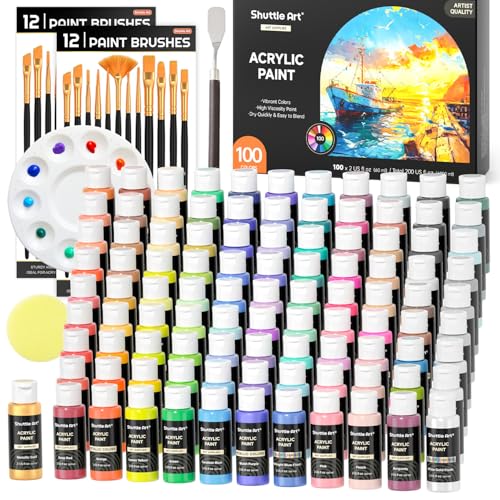


Choosing the right hue is crucial; I prefer acrylic latex products for their durability and minimal odor. Apply the chosen color in thin layers, allowing adequate drying time between coats. Two to three layers usually yield a consistent look.
Finally, to protect the masterpiece, I finish with a clear sealant. This enhances durability and adds a subtle sheen. I use a spray or brush-on style, depending on the overall look I want to achieve. Always remember to allow for proper drying time before using the item again.
Preparation Steps for Refreshing Cedar Items
To ensure a successful transformation of cedar items, I begin with thorough sanding. Using 120-grit sandpaper, I carefully smooth out the surface, removing any gloss or imperfections. This not only enhances adhesion but also illuminates the wood’s natural grain. Following the sanding process, I make sure to clean the dust using a damp cloth, eliminating any residue left behind.
Choosing the Right Coating
Selecting a suitable coating is vital. I typically opt for an acrylic latex option that offers durability and allows the wood to breathe. If a glossy finish is preferred, I can also consider a polyurethane topcoat for added protection. It’s important to apply a primer first, especially when dealing with previously stained or sealed items, to ensure an even and consistent color.
Application Techniques
For application, I utilize a high-quality brush to facilitate smooth strokes and avoid bubbles. I apply the product in thin layers, allowing ample drying time between coats. Typically, two to three coats achieve a deep, rich color while preserving the wood’s unique character. After the final coat, I allow the piece to cure for several days prior to any use or placement in direct sunlight.
Preparing Cedar Furniture for Painting
Begin with thorough cleaning. Use a mixture of warm water and mild soap. Scrub the surface gently with a soft cloth or sponge to remove dust and grime. Rinse with clean water and let it dry completely.
Inspect for Damage
Check for any cracks, holes, or previous finishes that may need attention. Fill small holes with wood filler, ensuring it’s level with the surface. For significant damage, consider sanding down the affected areas.
Sanding the Surface
Utilize 120 to 220-grit sandpaper to prepare the wood. Sand the entire surface to promote adhesion by creating a texture for the coats to bond with. Follow the direction of the grain to avoid scratches.
- Start with coarse sandpaper for rough areas.
- Switch to fine sandpaper for a smooth finish.
- Remove all dust using a vacuum or a damp cloth.
After sanding, ensure the item is completely dry before applying any product. This preparation will enhance the durability of the finish and the overall appearance of your project.
Selecting the Right Primer for Cedar
Opt for a high-quality, stain-blocking primer that adheres well to wood. Shellac-based or water-based primers are excellent choices for this kind of material, providing solid sealing while preventing moisture absorption.
Consider the specific type of finish desired. For a glossy look, a water-based primer that dries clear works well. If a more opaque result is required, a heavier formula can help achieve that depth.
Always test the primer on a small, inconspicuous area to ensure compatibility and desired results before applying it to larger sections.
| Type of Primer | Features | Best Use |
|---|---|---|
| Shellac-based | Fast drying, excellent adhesion | Sealing knots and preventing bleeding |
| Water-based | Low odor, easy cleanup | Interior applications, less moisture exposure |
| Oil-based | Durable and thick | High moisture areas and exterior projects |
Pay attention to drying times as they vary between types. Ensure to apply at the recommended thickness, avoiding overly thick applications that may lead to peeling over time.
Choosing the Best Paint for Cedar Surfaces
I recommend selecting a high-quality acrylic latex product, as it adheres well to softwoods and offers excellent color retention. Look for options specifically designed for outdoor use if the pieces will be exposed to the elements. Brands like Behr and Benjamin Moore provide suitable formulations that enhance durability.
Consider Finish Types
An eggshell or satin finish often works best, striking a balance between appearance and protection. These finishes resist moisture while allowing easy cleaning. For a more robust surface, a semi-gloss may be utilized, providing an additional layer of resilience.
Color Selection
<p Opting for lighter hues can prevent heat buildup, which can lead to warping over time. Darker tones may enhance the visual appeal but require more frequent maintenance due to fading and heat absorption. Additionally, test small samples on hidden areas to ensure satisfaction with the final look.
Applying Primer to Cedar Furniture
Using a primer is a crucial step for ensuring a smooth finish on your wooden piece. I recommend selecting a high-quality, oil-based or shellac primer specifically formulated for wood surfaces. These types of primers will effectively seal the wood and prevent tannin bleed-through, which is often an issue with softer woods. Here’s how I go about it:
Steps for Primer Application
- Clean the surface: Ensure that the item is free from dust, dirt, and grease. A mild soap solution followed by a rinse will suffice.
- Sand the surface: Lightly sand with a fine-grit sandpaper to promote adhesion. Wipe away any dust with a damp cloth.
- Apply primer: Use a high-quality brush or roller to apply the primer evenly. Avoid overloading your brush to prevent drips.
- Check for even coverage: Look for any missed spots or uneven areas after the first layer dries. Touch up as necessary.
- Let it dry: Allow sufficient drying time as per the manufacturer’s recommendations, usually 1-2 hours.
Tips for Best Results
- Always work in a well-ventilated area to avoid inhaling fumes.
- Consider using a primer with a built-in bonding agent for improved adhesion on glossy surfaces.
- Perform a test spot if unsure about the compatibility of your selected primer with the wood.
Following these steps ensures that the foundation is solid for the subsequent layers, leading to a beautifully finished product. A well-applied primer not only enhances adhesion but also contributes to a more vibrant and lasting topcoat.
Techniques for Painting Cedar Furniture
I rely on a solid brush for applying the coating to ensure precise coverage. A synthetic bristle brush is ideal for water-based options, while natural bristles work best with oil-based compounds. For large surfaces, I prefer a foam roller to achieve a smooth finish.
Before starting, I use a spray technique for intricate details and crevices. This allows for an even layer without leaving brush marks. I maintain a distance of about 12 inches from the surface to avoid drips and runs.
When layering different finishes, I lightly sand between coats using fine-grit sandpaper. This creates a better bond and enhances the final appearance. I make sure to remove dust thoroughly using a damp cloth before applying the next layer.
For touch-ups or mistakes, a small artist’s brush comes in handy. It allows controlled application in tight areas, preventing unwanted overflow onto adjacent surfaces. If a run occurs, I gently smooth it out with a clean brush before it dries.
I regularly check for consistency in the application, ensuring that no area appears darker or lighter than others. Light and angled observation helps identify any imperfections that need correction. Patience during the process leads to a more refined outcome.
Finishing Touches: Sealing Painted Cedar
To enhance the durability of my newly refreshed pieces, I apply a clear sealer after the color has fully dried. A water-based polyurethane is ideal as it provides strong protection without yellowing over time.
Before applying the sealer, I ensure the surface is clean by wiping it down with a damp cloth to remove any dust or particles. It’s crucial to wait at least 24 hours post-application of the last coat for complete curing.
I use a high-quality synthetic brush for an even application, working along the grain to avoid brush marks. A foam roller can also be useful for larger surfaces, providing a smooth, streak-free finish. Thin, even coats are key; I typically apply two to three layers, allowing adequate drying time between applications based on the manufacturer’s recommendations.
For areas with high moisture exposure, such as the kitchen or bathroom, I opt for a marine-grade sealant for added water resistance. This extra step ensures my projects can withstand frequent cleaning and humidity.
Finally, I allow the sealed surfaces to cure for a week before heavy use, ensuring the sealant has formed a strong bond and providing the best protection for my revitalized items.
Maintaining Painted Cedar Furniture
Regular cleaning is essential. I use a mild soap mixed with water and a soft cloth for wiping down surfaces. This prevents dirt build-up and helps maintain a fresh look.
Avoid harsh chemicals or abrasive materials that can damage the finish. Instead, a gentle cleanser preserves the integrity of the applied coatings.
Inspecting for chips or scratches should be routine. When I spot any imperfections, I promptly touch them up with leftover paint. This helps to avoid further damage and maintain a cohesive appearance.
Protecting against UV exposure is crucial. I recommend placing items in shaded areas or using outdoor covers to minimize fading and deterioration caused by sunlight.
Seasonal maintenance includes applying a topcoat every couple of years to enhance durability. I prefer water-based sealants, as they provide a good barrier against moisture without compromising the underlying colors.
For optimal longevity, storing items indoors during extreme weather conditions is advisable. This practice safeguards against harsh elements like snow, rain, or intense heat, ensuring the longevity of the furniture’s finish.
Common Mistakes to Avoid When Painting Cedar
Skipping the sanding step results in poor adhesion. Always lightly sand the surface before applying any coating; this creates texture for better bonding.
Using a regular oil-based primer can lead to discoloration. Opt for a special primer designed for softwoods to prevent tannin bleed-through.
Applying Too Thick a Coat
Thick layers may cause uneven drying and lead to drips. Always apply thin, even coats, allowing adequate drying time between applications.
Ignoring Weather Conditions
Painting during high humidity or extreme temperatures can compromise the finish. Plan your project for a day with mild conditions to ensure optimal results.


