
 Caleb Turner

Using a high-quality primer specifically designed for porous materials is essential. This step ensures the subsequent layers adhere well, offering a smoother finish. I personally suggest choosing a water-based primer for easier cleanup and faster drying times.
Select a non-toxic acrylic coating in a soft, fresh tone. This allows for easy application and an even result. Apply with a fine brush or a foam roller to avoid streaks and drips, focusing on even coverage across all surfaces.

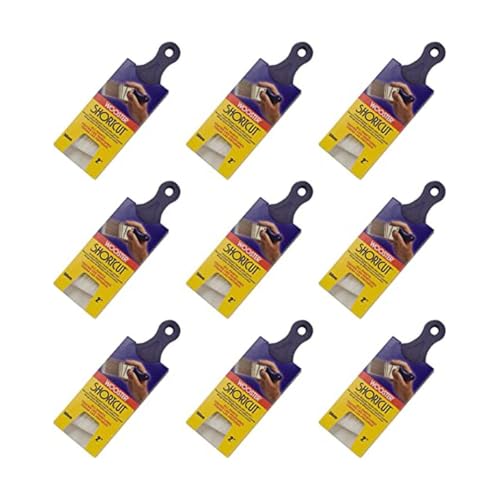
Allow ample drying time between coats; typically, two to three layers yield optimal color depth and durability. Lightly sand between each coat with fine-grit paper–it enhances adhesion and achieves a professional-grade finish.
Lastly, seal your work with a clear protective varnish. This adds a layer of resilience against wear and tear, maintaining the pristine look of your updated pieces in the long run.
Transforming Rattan into a Luminous Hue
Using a primer designed for porous surfaces is my first step. This ensures the base bond is strong and prevents any bleed-through from the original color. I opt for a spray primer for its smooth application.
Choosing the Right Coating
For the final layer, I select an acrylic enamel or spray paint, ideal for durability and finish. Selecting a semi-gloss or satin finish enhances the natural texture without overwhelming it.
Before application, shaking the can thoroughly avoids uneven coverage. I keep the distance around 10-12 inches from the surface, employing a sweeping motion to cover all areas uniformly.
Finishing Touches
After completing the coatings, I allow ample drying time–ideally 24 hours–to ensure longevity and prevent damage. Adding a clear protective seal can enhance the sheen and durability further.
Regular maintenance, such as dusting and occasional touch-ups, keeps the surface looking pristine. This approach guarantees a refreshed and bright appearance for the beloved piece.
Choosing the Right Type of Paint for Cane Furniture
Opt for a spray type or a water-based acrylic formula, as these adhere well to woven surfaces and provide a smooth finish without obscuring texture. I recommend selecting a paint marked specifically for use on non-porous materials; it enhances durability against wear and environmental factors.
Primer Use
Using a primer is key. Choose a product designed for gloss or semi-gloss finishes. This helps in bonding and allows for an even application on intricate designs.
Finishing Touches
For a lasting coat, finish with a clear topcoat. A matte or satin finish will protect the new layer, while maintaining the charm of the piece. Be sure to apply this after the first coat is fully dry, ensuring maximum protection.
Preparing the Surface for Transforming Cane Items
Thorough cleaning is the first step. I use a mixture of warm water and mild soap, applying it with a soft cloth or sponge to remove dirt and grease. Rinsing with clean water prevents residue buildup.
After cleaning, drying is crucial. I let the pieces air dry completely, ensuring there’s no moisture left that could interfere with adhesion later.
Sanding for Smoothness
Once dry, I gently sand the surface with fine-grit sandpaper. This creates a better bond and helps eliminate any rough patches. I ensure to sand along the grain to avoid damaging the structure.
Priming the Base
Applying a high-quality primer is next. I choose a primer suited for the material, as it will enhance coverage and adhesion of the final layer. After the primer dries, I lightly sand again for a smooth finish.
Selecting the Proper Brushes or Tools for Application
For this project, I recommend selecting specific tools to achieve a smooth finish on the textured surfaces. Consider the following options:
- <strong Foam Roller: Ideal for larger areas, foam rollers provide an even coat without leaving brush marks. Choose a low-nap roller for optimal results on intricate patterns.
- <strong Angled Brush: An angled synthetic bristle brush excels at reaching tight corners and detailed spots. This is particularly beneficial for intricate weaving and edges.
- <strong Flat Brush: A wide flat brush works well on flat surfaces, allowing for a quick application and coverage. Opt for one with synthetic fibers for better paint adhesion.
- <strong Detail Brush: For precision work, a smaller detail brush is crucial. It allows me to navigate complex areas and ensure a tidy finish.
In addition to brushes, these tools provide versatility:
- <strong Paint Sprayer: A sprayer can deliver a flawless coat, especially over larger or more complicated surfaces. Ensure to practice beforehand to control the spray pattern.
- <strong Sandpaper: Use fine-grit sandpaper to smooth out any rough patches in the material before getting started. This prevents imperfections in the finish.
Always clean and dry my tools thoroughly between coats to maintain performance. Following these suggestions will result in a well-finished project, providing a fresh look to the items. Choose wisely based on the scale and detail of your tasks, and prepare for a rewarding transformation.
Applying Primer to Enhance Paint Adherence
Using a primer significantly improves the bond between the surface and the finish. The first step is to select a high-quality product suitable for the material. I prefer using a shellac or oil-based primer for its excellent adhesion properties, especially on porous surfaces.
Before applying the primer, ensure the surface is clean and dry. I often use a damp cloth to remove any dust or residues, allowing adequate drying time before the next step.
Application Process
With a clean, dry brush, I gently apply the primer in even strokes. It’s crucial to cover every crevice, including the woven areas, to ensure consistent coverage. If the piece has intricate details, I use a smaller brush for those spots, which ensures no areas are missed.
Drying Time and Light Sanding
Once the primer is applied, I allow it to dry completely. This usually takes a few hours. After drying, a light sanding with fine-grit sandpaper ensures a smooth surface, enhancing the adherence of the top coat. Always wipe away the dust residues post-sanding to prepare for the subsequent layers.
Techniques for Achieving a Smooth Finish
To achieve a flawless texture on your repurposed items, the following methods are pivotal:
1. Sanding Between Coats: After the first layer dries, lightly sand the surface using fine-grit sandpaper (around 220 grit). This removes any imperfections and promotes better adhesion for subsequent layers.
2. Using a Foam Roller: For a consistent and smooth application, consider utilizing a foam roller instead of a brush. This tool minimizes brush strokes and helps achieve a uniform finish, especially on flat surfaces.
3. Thin Coats: Apply multiple thin layers instead of a single thick coat. This minimizes drips and unevenness. Allow ample drying time between each coat for a sleek appearance.
4. Spray Application: If accessible, use a spray method. This technique delivers an even coat and eliminates brush marks. Ensure even motion and maintain the correct distance to avoid pooling.
5. Final Sanding: Once the final coat is dried, perform a very light sanding with ultra-fine sandpaper (around 400 grit). Follow this with a gentle wipe using a damp cloth to remove dust before the finish sets completely.
| Technique | Tip |
|---|---|
| Sanding Between Coats | Use fine-grit paper to smooth the surface. |
| Foam Roller | Minimizes brush strokes for a seamless look. |
| Thin Coats | Avoid drips and uneven layers. |
| Spray Application | Even coverage without brush marks. |
| Final Sanding | Use ultra-fine sandpaper for a perfect finish. |
Sealing and Protecting the Painted Cane Furniture
Applying a high-quality sealant is crucial to shield the coated surfaces from wear and tear. I recommend using either a water-based polyurethane or an acrylic sealer, as they offer strong protection without yellowing over time. Apply the sealant evenly with a clean brush, ensuring all areas receive adequate coverage.
Application Technique
Start by allowing the initial layer of paint to cure fully, usually for about 24 hours. Once it’s dry, I use fine-grit sandpaper to lightly sand the surface, creating a smooth base for the sealant. Clean any dust with a damp cloth before proceeding. When applying the sealant, work in thin layers, allowing each layer to dry completely before adding another. This method builds up a robust barrier against scratches and moisture.
Maintenance Tips
To maintain the integrity of the surface, periodically inspect for any damage or wear. If you notice scuffs or scratches, lightly sand those areas and apply a touch-up of the sealant. For cleaning, use a mild soap solution and a soft cloth; avoid harsh chemicals that could degrade the protective layer.


