
 Caleb Turner

Begin with a thorough cleaning of the surface. Use a mild detergent to remove any grime or grease, ensuring the base is ready for the following layers. Once dry, sand the item lightly to create a better grip for subsequent applications.
Next, choose a high-quality coating that suits the look you desire–a matte finish can create a rustic charm, while a gloss may add a more refined touch. Apply a uniform coat using a brush or roller, working in even strokes for optimal coverage.
After the initial application dries, introduce character by intentionally scuffing the edges and surfaces using sandpaper or a distressing tool. Focus on areas where natural wear would occur, enhancing authenticity. For further depth, consider layering a contrasting shade in select areas, allowing it to peek through the top layer.
Finally, seal your creation with a protective topcoat to ensure the longevity of your effort. A matte sealer will preserve the vintage look, while a gloss can create a polished finish. Your revitalized piece is now ready to shine in any space.
Creating a Distressed Look for Your Furniture
Achieving a weathered appearance adds character. Begin with sandpaper, focusing on edges and corners, where wear naturally occurs. For deeper imperfections, utilize a putty knife to create nicks and scratches, enhancing the authenticity of age.

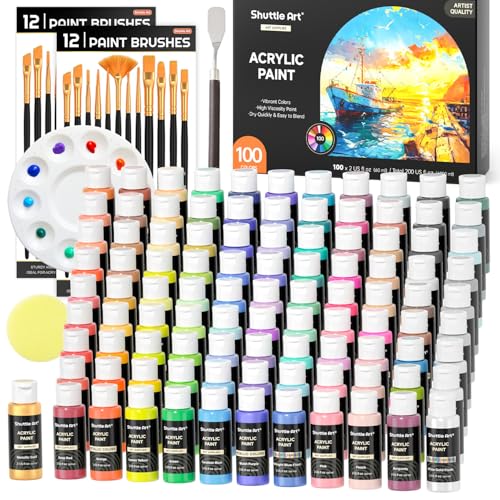

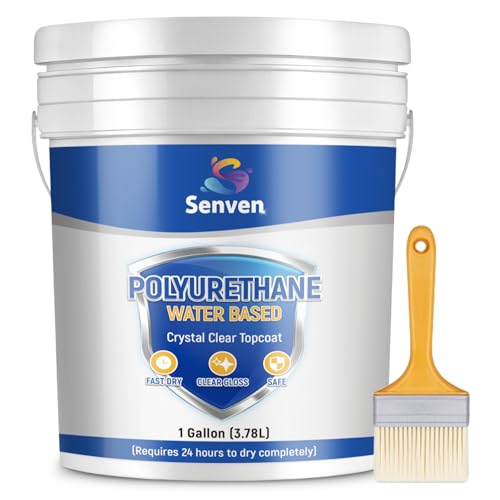
Next, apply a tinted glaze or wax. Choose a darker shade to create contrast, brushing it lightly over the surface to settle in the crevices. Wipe away excess with a clean cloth, allowing the base layer to show through.
Consider layering techniques. Try alternating light and dark coatings for added complexity. Experiment with different finish types–matte, satin, or gloss can impact the final appearance significantly.
- For a rustic touch, use a dry brush method. Dip the tips of a brush into the desired hue, then remove excess by wiping on a cloth. Lightly drag the brush along the surface.
- Explore stencils for patterns. Apply these before the topcoat to create designs that mimic age.
- For a more textured finish, introduce a sponge to dab on colors, blending tones seamlessly.
Finally, seal your project with a clear coat to protect the layers, ensuring longevity. Allow adequate drying time to enhance durability before using the piece.
Choosing the Right Coating for Timber Pieces
Opt for acrylic latex or chalk formulations for superior adhesion and durability. These options provide a matte finish that easily absorbs to create a charming look. Ensure you select a product designed specifically for surfaces like pine, oak, or maple, as these blends enhance the natural beauty and grain patterns.
Consider the environment where your piece will reside. For high-traffic areas or items that encounter moisture, a high-quality polyurethane can offer extra protection. Additionally, choose non-toxic varieties if the item will be around children or pets.
The finish influences aesthetics; matte offers a rustic feel, while satin or semi-gloss brings a modern, polished appearance. Testing colors in small sections can reveal unexpected results once dried, as lighting changes how shades appear.
| Type of Coating | Best Use | Finish |
|---|---|---|
| Acrylic Latex | General projects | Matte |
| Chalk | Shabby chic looks | Matte |
| Polyurethane | High-traffic items | Satin/Semi-gloss |
| Milk Paint | Eco-friendly options | Varies (often matte) |
Prioritize primer where necessary, especially on raw surfaces. This creates a more uniform base, ensuring the top layer has better adherence and reduced absorption, enhancing the overall finish.
Preparing the Surface for Painting
I recommend beginning with a thorough cleaning of the item’s surface. Use a mixture of warm water and a mild detergent to remove dust, grease, and grime. A soft cloth or sponge works best for this task.
Next, if the piece has a glossy or shiny finish, it’s crucial to create a texture for optimal adherence of the new covering. Lightly sand the surface using fine-grit sandpaper. Ensure you maintain a consistent directional motion to avoid leaving scratches.
After sanding, remove any dust created during the process. A vacuum or a tack cloth will effectively eliminate debris. This step is vital; any leftover particles can compromise the finish and lead to uneven application.
For surfaces that show signs of wear, filling in scratches or dents is advisable. A wood filler can be applied to these imperfections to create a smooth, uniform surface. Allow the filler to dry as per the manufacturer’s instructions, then sand lightly to blend it seamlessly with the surrounding area.
If the original finish is particularly stubborn or if you’re dealing with an old varnish, using a chemical stripper can help. Follow the product instructions carefully, ensuring proper ventilation and protective gear.
Finally, apply a primer if you’re working with porous material or if the surface has been previously stained. This adds an extra layer of protection and ensures an even finish for your upcoming project.
Applying Paint: Techniques and Tips
Using a brush made of natural bristles delivers a smoother finish compared to synthetic alternatives. Load the bristles with your chosen hue, tapping off excess to avoid drips. Begin at the edges and corners, then work towards the center in long, even strokes.
Layering for Depth
Multiple coats create a richer appearance. Allow each layer to dry completely before applying the next. Light sanding between layers enhances adhesion and refines the texture.
Using a Sprayer
Sprayers can achieve a flawless finish quickly. Maintain a consistent distance and angle to avoid uneven coverage. Practice on scrap material before applying to the main piece, ensuring confidence and a controlled application.
For achieving unique textures, consider a sponge or rag for dabbling. This technique creates interesting patterns, adding character. If using this approach, experiment until satisfied with the look.
Monitor drying times as they can vary by product. Patience is key when moving from one phase to the next, ensuring a polished result. If needed, manipulate the newly applied coat with a brush or tool to add texture or create a desired effect.
Distressing Methods for a Vintage Look
For an authentic antique appearance, I recommend using the hammer technique. Lightly strike the surface with a hammer to create small dents, simulating years of wear. Move methodically, concentrating on edges and corners for a naturally worn effect.
Another approach is the sandpaper method. Use coarse-grit sandpaper to wear down edges and high spots. Focus on areas where natural wear would occur, such as the legs or top surfaces. Gradually switch to a finer grit for a smoother finish on the rest of the piece.
The tea or coffee staining method adds depth and character. I brew strong tea or coffee and apply it to the surface. This gives a rich, aged hue, enhancing the vintage aesthetic. Allow it to dry completely before applying any protective topcoat.
For an enriched patina look, consider using a glaze. Mix a glaze with your chosen hue and brush it onto the surface. Wipe off excess to let the base layer show through, creating a layered effect that evokes the feel of years of use.
Faux aging can be achieved using a variety of tools. I sometimes use an old brush or toothbrush to apply tiny flecks of paint in contrasting shades. This mimics the natural imperfections found in classic pieces. Be sparing and selective to avoid overdoing it.
Finally, consider employing the vinegar and steel wool technique. Soaking steel wool in vinegar creates a natural stain that reacts with the tannins in the wood, delivering a weathered finish. Apply with a cloth, and watch the transformation unfold.
Sealing and Protecting Your Finished Furniture
I recommend applying a clear sealant to safeguard surfaces after completing your project. Choose between water-based and oil-based options based on the desired finish and durability. Water-based sealants dry quickly and are less odorous, while oil-based alternatives provide a richer sheen but require more time to cure.
Before applying, ensure your piece is thoroughly clean and dry. Use fine-grit sandpaper to lightly scuff the surface, enhancing adhesion. Apply the sealant with a high-quality brush or foam applicator in thin, even coats. Allow adequate drying time between layers, typically 2-4 hours, depending on the product.
For increased protection, consider multiple coats. Generally, two to three layers offer a robust finish, especially if the item will be subjected to regular use. Always follow the manufacturer’s instructions regarding curing time before putting the piece into service.
In areas with high humidity or potential spills, consider using a polyurethane or lacquer sealant for superior moisture resistance. Regular maintenance, including applying fresh coats as needed, will extend the longevity of your newly styled piece.
Finally, avoid placing hot items directly on the surface to prevent damage and maintain appearance. Using coasters or placemats can add an extra layer of protection while enhancing the overall aesthetic. By following these steps, your creation will not only look fabulous but will endure for years to come.
Color Combinations for Distressed Furniture
Choosing the right hues for your refurbished pieces can significantly enhance their character. Here are several successful combinations I’ve discovered:
- Distressed Blue with Cream: A soft blue paired with creamy undertones creates a nautical feel.
- Greige and White: The blend of gray and beige offers a chic, modern look, perfect for minimalist settings.
- Muted Sage and Charcoal: This pairing provides an earthy atmosphere, great for cozy spaces.
- Soft Lavender and Light Gray: A gentle lavender with gray tones adds a romantic touch, suitable for bedrooms.
- Rich Dark Brown and Soft Mint: The contrast between deep brown and minty green can evoke rustic charm.
To achieve a harmonious look, consider these guidelines:
- Stick to a maximum of three colors to maintain visual cohesion.
- Use contrasting shades for highlights and deeper tones for shadows to enhance the aged effect.
- Test combinations on a small area first to see how they interact under different lighting.
Ultimately, the key is to reflect your personal style while creating a balanced aesthetic that welcomes attention in any space.
Common Mistakes to Avoid When Distressing Wood
Avoid using the wrong tools for wear and tear effects. Instead of sandpaper, opt for steel wool or a sanding sponge; these provide a more controlled finish and prevent over-sanding, which can lead to damage.
Overdoing It
Excessive distressing can turn a piece into a caricature. Focus on subtlety to maintain authenticity. I often recommend selecting key areas, like edges and corners, where natural wear would occur to create a more realistic appearance.
Ignoring Paint Selection
Using poor-quality finishes results in uneven application. Always experiment with samples on less visible areas first. This way, I can ensure a harmonious blend before committing to a full application. Remember, the base layer significantly affects the final look.
Finally, skipping topcoats can leave your creation vulnerable to scratches and moisture. A light spray or brush-on sealant not only protects but can enhance the overall aesthetic as well. Always prioritize durability without sacrificing style.
FAQ:
What materials do I need to paint and distress wood furniture?
To paint and distress wood furniture, you will need several materials. First, gather paint specifically designed for furniture, such as chalk paint or acrylic paint, depending on your desired finish. You will also need primer if your wood surface is raw or previously finished. Sandpaper is essential for distressing, especially in different grits for smooth finishes. Additionally, you might consider using a paintbrush, foam roller, and a clear sealer to protect your final work. An old cloth or sponge can be helpful for wiping off excess paint during the distressing process. Don’t forget to wear protective gear like gloves and a mask to ensure safety while you work.
Can I distress furniture after applying the paint?
Yes, you can distress your furniture after applying paint, but this technique usually works best if you apply a top coat of paint first and let it dry completely. Distressing involves removing some of the paint to reveal the wood beneath or the base color. You can use sandpaper, a damp cloth, or specialized distressing tools to achieve your desired look. The level of distressing is up to you, whether you prefer a subtle worn look or a more pronounced distressed finish. Just remember to take your time, as distressing too aggressively can lead to unintended areas of damage.
What kind of paint is best for wood furniture?
For wood furniture, chalk paint and acrylic paint are two excellent options. Chalk paint provides a matte finish and is easy to work with, making it a popular choice for many DIY enthusiasts. It adheres well to most surfaces without requiring extensive prep work. On the other hand, acrylic paint offers a wider range of colors and finishes, including glossy and satin options. It’s also durable and can withstand wear and tear over time. If you want a classic look, consider oil-based paint, but be mindful that it has a longer drying time and requires more effort to clean up. Ultimately, the best paint depends on the final appearance you desire and how much preparation you are willing to do.
How do I achieve a rustic look while distressing furniture?
To achieve a rustic look while distressing furniture, start with a base coat of paint in a muted or earthy tone, such as cream, beige, or soft grey. Once dry, use sandpaper to gently rub down edges and corners to expose the wood underneath or allow another layer of paint to show through. You can also create a weathered appearance by applying a dark glaze after your base paint has dried. Rubbing it into crevices and wiping off the excess can enhance the depth and provide an aged look. Finish off with a clear wax or sealer to protect your distressed piece while maintaining its rustic charm.
How do I maintain the finish of distressed wood furniture?
Maintaining the finish of distressed wood furniture involves regular care and some specific techniques. First, dust your furniture often to prevent dust accumulation. Use a microfiber cloth or a duster for gentle cleaning. If your piece is painted, consider applying a soft wax or a furniture polish to enhance the sheen and protect the paint. Avoid harsh chemicals or abrasive cleaners that can damage the finish. If the surface begins to look dull or faded, reapplying a clear wax or sealant can restore luster. Lastly, keep your furniture away from direct sunlight and extreme humidity to prolong its lifespan and keep the finish looking great.
What materials do I need to paint and distress wood furniture?
To successfully paint and distress wood furniture, you’ll need a few key materials. First, select your paint; chalk paint is popular for a matte finish, while latex paint provides durability. You will also need a primer to ensure good adhesion. Sandpaper or a sanding block is essential for distressing the piece, allowing you to highlight areas that should appear worn. Additionally, you might want a brush or roller for applying paint, some rags for clean-up, and a sealant like polyurethane to protect the finish after painting. Lastly, proper ventilation is important, so consider a mask or working outdoors if you’re using strong-smelling products.


