Caleb Turner
Use high-quality packing materials like bubble wrap and sturdy boxes to ensure maximum protection for your items. Begin by disassembling larger units. Keep screws and small parts in labeled bags to avoid losing them.
Wrap each piece individually, using multiple layers of bubble wrap for delicate surfaces. Pay special attention to corners and edges, as these areas are more susceptible to damage during transit.


Fill any gaps in boxes with packing peanuts or crumpled paper to eliminate movement inside. Choose a box that is slightly larger than the item itself to provide padding, yet not so large that the contents can shift significantly.
Clearly mark each box with its contents and destination room to facilitate an organized unpacking process. If you have the opportunity, take photographs of your items assembled before disassembly. This will serve as a helpful reference when setting everything back up in your new space.
Ready Your Items for Transport
Secure all movable parts before any relocation. For instance, if there are drawers or shelves, detach them. Wrap each component individually to avoid scratches and damage.
Tools and Materials Needed
- Bubble wrap for cushioning
- Cardboard boxes or furniture blankets
- Strong tape to seal everything tightly
- Markers for labeling
- Corner protectors for edges
Gather tools and supplies ahead of time to streamline the experience, ensuring everything is at hand during the packing process.
Securing and Padding
Utilize bubble wrap generously around each item. Ensure edges and corners receive extra padding. For larger pieces, use furniture blankets to safeguard surfaces. Securely tape down wrap to keep everything intact during transport.
Label everything clearly, indicating which side should face up. This reduces confusion during handling and placement in a new environment.
- Use separate boxes for smaller items and accessories.
- Stack heavier items at the bottom and lighter ones on top when loading.
- Keep a detailed inventory list to track what has been moved.
Follow these precise steps to reduce the risk of damage and ensure a smooth transition to a new location.
Select the Right Packing Materials
For optimal protection, I recommend using bubble wrap as the primary material to safeguard delicate components. Ensure that each item is wrapped individually, securing with tape to prevent shifting during transit.
Cardboard boxes should be double-walled for heavier pieces, providing additional strength. Choose the size carefully; boxes that are too large may allow items to move, while boxes that are too small can risk crushing fragile parts.
<h3.Padding and Cushioning
Incorporate packing peanuts or crumpled paper into the boxes to fill any voids. This cushioning absorbs shocks effectively, minimizing potential damage. Layering is key; add cushioning on the bottom, around the item, and on top for comprehensive coverage.
<h3.Straps and Stretch Film
Utilize strong straps or stretch film for securing larger structures. These materials maintain stability and prevent pieces from separating during transportation. Look for heavy-duty options that can withstand considerable weight and stress.
Disassemble Furniture for Easier Handling
I find that taking apart large pieces significantly simplifies transport. Begin with removing any detachable components such as legs, shelves, and cushion covers. This helps minimize bulk and prevents damage during transit.
Label each part to ensure straightforward reassembly. Using masking tape to mark corresponding pieces can save time later on. For example, attach labels like “Front Leg – Right” to the relevant parts.
Use the right tools for disassembly, typically a screwdriver and an Allen wrench. Keep screws and fittings together in a small bag or container, ensuring nothing gets lost.
Some items may require more attention. For instance, mirrors and glass surfaces should be removed and wrapped separately to avoid shattering. Bubble wrap or thick blankets works well for protection.
Additionally, break down items as much as possible without compromising structural integrity. For larger pieces like beds or dining tables, consider removing the main support beams that may contribute to their weight and volume.
| Component | Disassembly Tips |
|---|---|
| Legs | Remove using a wrench; keep screws secure. |
| Shelves | Take off brackets carefully; label for placement. |
| Cushions | Detachable covers should be cleaned and stored separately. |
| Glass/Mirrors | Wrap in protective material; handle with care. |
This approach not only eases transportation but also enhances the safety of your valuables. Always verify the stability of pieces post-disassembly to avoid unnecessary strain during handling.
Protect Surfaces with Blankets and Foam
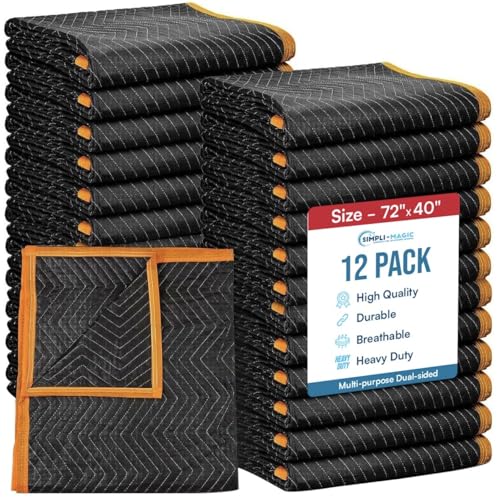
I always begin by laying out moving blankets across surfaces prone to scratches and dents. These heavy-duty blankets serve as a barrier, preventing damage during transport. When securing larger pieces, I wrap them entirely in these blankets, ensuring no exposed areas are left vulnerable.
A foam padding is another excellent option. I use high-density foam corners and strips to cushion edges and corners, where impact is most likely to occur. These foam pads add an extra layer of protection, absorbing shocks during transit. For odd-shaped items, I cut foam to size, creating custom-fit protection around delicate features.
I make sure to use stretch wrap over the blankets and foam to keep everything securely in place. This wrap prevents any shifting during movement, which could lead to abrasions or breakage. Lastly, labeling protected pieces as “Fragile” ensures everyone involved in handling is aware of the care needed.
Wrap Individual Pieces Securely
Applying a layer of bubble wrap to each item is essential. Start by placing the bubble wrap on a flat surface, then position the piece in the center. Ensure that the bubble side is facing inward, which provides better cushioning. Wrap the item tightly, overlapping the wrap as you go, and secure it with packing tape to prevent it from coming undone during transit.
Use Corner Protectors
For items with sharp edges or corners, corner protectors offer an additional safeguard. These can be made from cardboard or foam. Apply these protectors before wrapping; they absorb impact and help maintain the integrity of the piece.
Consider the Weight Distribution
When wrapping heavier pieces, distribute the weight evenly. This balances the load and reduces the risk of damage. If the item has multiple components or detachable sections, ensure that each part is individually wrapped and secured, as this adds an extra layer of defense against movement and shifts.
Label Each Package Clearly
Clearly marking each container is fundamental. Use large, bold letters for recipient information and handling instructions. Ensure labels are waterproof and securely attached to avoid loss during transit.
Assign specific identifiers to every box, such as “Fragile,” “Heavy,” or “This Side Up,” to convey necessary care details. Utilize bright colors for immediate visibility to handlers.
Incorporate contact information, including phone numbers and email addresses, for easy communication if there are any delivery issues. Double-check that each label matches its contents to prevent confusion during unpacking.
Consider creating an inventory list that correlates with your labels. This will streamline the receiving process on the other end, as you can reference what each box contains effortlessly.
Use Strong and Sturdy Boxes
Selecting robust boxes can’t be underestimated. I always choose double-walled cardboard containers, known for providing excellent durability. These boxes can withstand heavy weight and resist crushing during transit.
When it comes to size, I ensure the boxes are appropriately sized for the items inside. Overly large boxes increase the risk of shifting during transport, which can cause damage. I measure the dimensions carefully, opting for a snug fit that prevents movement but allows enough space for protective materials.
For fragile items, I opt for specialized boxes designed for delicate objects. Some boxes come with added reinforcement or even padding built into the structure, providing extra security. I avoid using used boxes that may have compromised strength–or worse, damage from previous shipments.
Labeling is key; I clearly mark these boxes with indicators like “Fragile” or “This Side Up.” This practice ensures that handlers will exercise care during movement. Investing in high-quality packaging not only protects my belongings but also gives me peace of mind while they are in transit.
Secure Items Inside Boxes to Prevent Movement
To restrict movement within boxes, I utilize packing peanuts or bubble wrap, filling any empty spaces. This cushioning material absorbs shocks and keeps everything in place. I make sure each piece is tightly packed, leaving no gaps that could allow items to shift during transit.
If the items are smaller or have unique shapes, I use crumpled paper or soft fabric to pad around them. This helps create a snug fit and adds an additional layer of protection. I avoid overloading boxes; if they feel too heavy, I divide the contents among multiple boxes to ensure stability.
For larger components, I use sturdy dividers or cardboard sections, particularly when packing multiple items together. This prevents them from scratching or damaging each other. Additionally, I securely seal boxes with strong packing tape, reinforcing all seams and edges to keep them intact during transportation.
Lastly, I mark the outer surfaces of each box with handling instructions and orientation indications, providing clear guidance for careful handling. This further minimizes the risk of movement inside, ensuring all pieces arrive in excellent condition.
Plan for Proper Weight Distribution
To ensure stability during transit, I focus on distributing weight evenly across boxes and crates. This prevents shifting and minimizes the risk of damage. Here’s how I achieve this:
- Utilize heavier items at the bottom: Placing denser pieces like metal frames or solid wood components at the base establishes a sturdy foundation.
- Layer strategically: Alternate heavier and lighter pieces, allowing for an even weight spread and enhancing balance.
- Fill gaps with cushioning: Use packing peanuts, crumpled paper, or bubble wrap to fill voids, ensuring no movement occurs inside the container.
- Limit box weight: Aim to keep each container manageable, ideally below 50 pounds, to facilitate lifting and maneuvering during transport.
Reassess After Packing
After securing items, I take a moment to reassess the distribution. Shifting a box or adjusting placement can significantly enhance stability. If something feels off, I rearrange until I’m certain every piece is supported correctly.
Consider the Transportation Method
Lastly, I always consider how the items will be transported. If using a truck with limited space, weight distribution becomes critical to prevent shifting during movement. I carefully organize the loading process, ensuring heavier pieces are secure and cannot roll or shift.
Include Assembly Instructions and Packing List
Clearly document the assembly steps for each component. Use simple language and include step-by-step images if possible. These instructions can significantly reduce the frustration of reassembly at the destination.
Prepare a comprehensive packing list detailing each item being sent. Include descriptions, quantities, and any necessary hardware such as screws or bolts. This list simplifies tracking and ensures nothing is overlooked during the unpacking process.
Both assembly instructions and packing lists should be securely attached to the primary box. Use a waterproof pouch or ziplock bag to protect these documents from potential damage.
Ensuring that the recipient has easy access to both the assembly guide and an itemized list minimizes confusion and facilitates a smoother experience once the items arrive.
FAQ:
What materials are best for packaging furniture for shipping?
When packaging furniture for shipping, using high-quality materials is vital. Recommended materials include bubble wrap, moving blankets, packing paper, and sturdy cardboard boxes. Bubble wrap provides cushioning, while moving blankets can protect large or delicate items. Packing paper is great for wrapping smaller components. It’s also wise to use packing tape for securing packages and corner protectors for items with sharp edges.
How do I properly disassemble furniture for shipping?
To disassemble furniture, begin by removing any loose parts, such as screws, legs, or shelves. For larger items like beds or dining tables, take apart components according to the manufacturer’s instructions. Label each piece and keep all hardware in a small bag, securely taped to the main component of the furniture. If instructions are not available, take photos during disassembly to assist with reassembly later.
Can I ship furniture without disassembling it?
Yes, you can ship furniture without disassembling it, especially for smaller items that can fit in larger boxes. However, for larger pieces, packing them as whole units may increase the risk of damage during transit. In such cases, using proper padding and securing the furniture with straps can help. Make sure to measure the dimensions of your furniture and the shipping container to ensure a snug fit.
What are the best practices for labeling furniture packages?
Labeling furniture packages is essential for ensuring they are handled correctly during transport. Use clear, large lettering to indicate the contents and any special handling instructions, such as “Fragile” or “This Side Up.” Additionally, including your contact information and destination address on each package helps prevent misdelivery. Using color-coded labels for different items can also streamline the unpacking process.