Caleb Turner
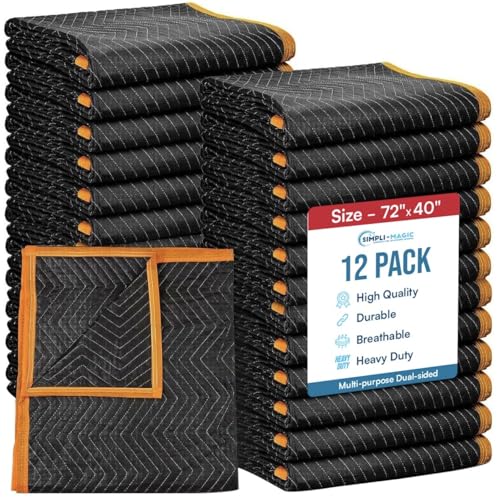
Prioritize planning before any transition. Begin by measuring each item meticulously to ensure it will fit comfortably in your new environment. Create an inventory list to keep track of everything you intend to take along. Organizing your possessions by categories–like furniture, appliances, and decor–streamlines the process significantly.
Secure reliable transportation that caters to the size and weight of your goods. Renting a truck or enlisting professional movers who specialize in long-distance transfers can make all the difference. Be sure to gather packing materials such as boxes, bubble wrap, and blankets to shield your valuables during transit.
Consider disassembling larger pieces for easier handling and to maximize space in the vehicle. Labeling components and their respective boxes will simplify reassembly upon arrival. Always prioritize securing fragile items to prevent damage and ensure a smooth transition.


Lastly, check regulations or guidelines in your new region. Knowing what is permitted and understanding any fees or permits required will save you time and hinder potential issues during the transition.
Relocating Furniture from One Region to Another
I recommend creating a detailed inventory list before any action. This documentation helps to track all items, ensuring nothing is overlooked during the transition.
Consider the dimensions of each piece. Measure everything to confirm that they fit in the new location. This prevents unnecessary frustrations upon arrival.
Utilize high-quality packing materials. Bubble wrap, moving blankets, and sturdy boxes should be standard. Protect surfaces and delicate parts to avoid damage during transportation.
Research reliable transport services. Look for companies with strong customer feedback and insurance policies that cover potential damages. Comparing quotes can save money while still securing a dependable service.
Schedule pickups at a time when traffic is minimal. This can expedite the process and reduce the likelihood of accidents. Early mornings or weekdays often provide easier conditions.
If possible, disassemble larger items. Removing legs from tables or breaking down beds into frames can save space and make handling easier.
Enlist help from friends or hire professionals if needed. It’s important to have ample manpower to lift heavy pieces, ensuring safety for everyone involved.
Upon arrival, prioritize unloading and set up in a logical order. Begin with essential items, followed by the rest, allowing for a smoother settling-in experience.
Maintain clear communication with the transport team. Provide them with any special instructions regarding sensitive items, ensuring proper care is taken during handling.
Finally, take your time. Rushing can lead to mistakes. Enjoy organizing the new space, and consider redecorating to freshen up the environment.
Choosing the Right Moving Company
Research potential providers thoroughly. I examined reviews on platforms like Yelp and Google to ensure reliability and professionalism. Pay attention to customer feedback concerning punctuality and the care taken with belongings.
Request quotes from multiple services. I found that getting at least three estimates helped in identifying reasonable pricing. Ensure each quote itemizes costs, which aids in comparing packages and avoiding hidden fees.
Verify licensing and insurance. I confirmed that the selected company holds the required permits, which provides peace of mind regarding legal compliance. Additionally, I checked their insurance coverage to ensure my items are protected during transport.
Inquire about their experience with interstate relocations. Understanding their familiarity with long-distance transitions can impact efficiency and effectiveness. I specifically looked for companies with a solid track record in handling long hauls.
Ask about their equipment and packing supplies. I ensured that the chosen provider utilized high-quality packing materials and modern vehicles. This aspect can significantly affect the safety of the items during transit.
Evaluate customer service responsiveness. When I reached out for questions or concerns, I noted how promptly and thoroughly they responded. Strong communication is vital throughout this process.
Examine their cancellation and rescheduling policies. Life can be unpredictable; knowing these details helped me feel more secure about potential changes in plans. I made it a point to clarify these aspects in advance.
Packing Techniques for Furniture Safety
Use high-quality packing materials. Invest in sturdy bubble wrap, moving blankets, and packing tape to ensure that each piece is well protected during transport.
Disassemble When Possible
Take apart larger items. Remove legs from tables, detach cushions from sofas, and disassemble bed frames to create a more compact package. This reduces the risk of damage and makes handling easier.
Secure with Care
Wrap each part separately. Use bubble wrap for delicate surfaces and corners, and cover them with moving blankets for added protection. Use tape to secure the wrapping but avoid applying it directly to the furniture.
Label each piece clearly. Mark them with the corresponding location in your new home. This saves time during unpacking and minimizes confusion.
Consider using stretch wrap to keep drawers and doors closed. This prevents them from swinging open during transport and causing breaks.
Utilize furniture pads to cushion items against bumps. These protective layers absorb shock and keep surfaces safe from scratches and dents.
Always stack items well. Heavy items should be placed at the bottom of the moving vehicle, like in a truck, with lighter items stacked on top. Ensure that everything is secured with straps or ropes to prevent shifting.
Understanding Moving Costs and Budgets
Before making any logistics arrangements, I calculate all expected expenses. This includes not only the price of hiring professionals but additional fees that can catch anyone off guard. I prioritize gathering multiple quotes from different companies to identify the best deal that meets my needs.
Key Cost Factors
Several elements influence the overall costs:
- Distance: Longer journeys typically result in higher charges.
- Volume of Items: Weight and size of what needs to be relocated are critical in determining pricing.
- Timing: Busy seasons may lead to inflated prices; flexibility can save money.
- Accessibility: The location of both the pick-up and drop-off points affects labor costs.
Budgeting Tips
To manage expenditures effectively:
- Create a detailed inventory of everything that requires transport, allowing for a more accurate quote.
- Include a buffer in my budget for unplanned expenses, typically around 10-15% of the total.
- Assess if I need additional services like packing or storage, as these can enhance overall costs.
- Plan in advance to take advantage of discounts or lower fees during off-peak periods.
| Item | Estimated Cost |
|---|---|
| Professional Services | $1,000 – $3,000 |
| Fuel Costs | $100 – $500 |
| Insurance | $50 – $150 |
| Supplies (Boxes, Tape) | $50 – $200 |
By understanding these aspects, I ensure a more seamless transition to my new residence while staying within financial limits.
Preparing Furniture for Transport
Wrap each piece individually with bubble wrap or moving blankets to protect against scratches and dents. Secure these covers with tape, ensuring the corners are well-padded.
Disassemble larger items like beds and tables. Keep screws and small parts in labeled bags to avoid losing them. Use a labeled box to store these bags for easy access during reassembly.
For upholstered items, vacuum thoroughly to remove dust and allergens. Consider using a fabric protector spray to keep them safe from stains during transportation.
Utilize cardboard sheets or corner protectors for delicate surfaces like glass or mirrors. These added layers will prevent breakage. Secure them with tape and mark as fragile to alert handlers.
Lastly, establish a plan for loading and unloading each item based on weight and fragility. It reduces the risk of damage and ensures proper handling of all possessions during transit.
Navigating State Regulations and Permits
Before commencing the relocation across borders, I ensure compliance with local regulations and necessary permits to avoid complications. Each state has specific guidelines regarding transport, and it’s essential to review them carefully to remain within legal boundaries.
Research State Laws
I recommend consulting the Department of Transportation or equivalent agency in both the origin and destination states. Key regulations can include:
- Weight limits for vehicles
- Specific permits for oversized items
- Restrictions on certain types of goods
Obtain Required Permits
In some instances, I must acquire special permits for transporting large or bulky articles. Missing this step could result in fines or delays. Here’s how I tackle this:
- Identify the needs based on the volume and type of goods.
- Fill out necessary applications provided by state authorities.
- Submit forms well in advance to ensure timely processing.
Always keep copies of permits handy during transport. I find that being well-informed and prepared alleviates potential issues, allowing for smoother transitions from one place to another.
Setting Up Your Furniture in the New Location
Begin with creating a floor plan of your new residence. Measure each room to determine the best arrangement for your items.
Organizing the Unloading Process
- Prioritize large items; position them first to avoid unnecessary re-arrangement.
- Identify which areas require immediate attention. For instance, the living room and bedroom setup can enhance comfort quickly.
- Ensure pathways are clear to prevent accidents as you unpack and set things up.
Optimizing Space
Consider multi-functional pieces such as sofas with storage or extendable tables. Utilize vertical space by adding shelves, especially in tight areas.
- Place larger pieces against walls to create an open center space.
- Experiment with layouts and adjust based on flow and accessibility.
After arranging, step back to evaluate the aesthetic and functionality. Make adjustments as needed to create a conducive environment.
Finalize the setup by adding personal touches such as decor, plants, and lighting to enhance the ambiance of your new space.
FAQ:
What are the steps to prepare for moving furniture out of state?
Preparing to move furniture out of state involves several key steps. First, assess what furniture you want to take with you and measure it to ensure it will fit in your new space. Next, gather necessary materials, such as packing tape, bubble wrap, and moving blankets. Disassemble larger pieces of furniture if possible, and label parts to make reassembly easier. It’s also wise to create an inventory list of your items, ensuring you know exactly what you’re moving. Lastly, consider if you want to hire professional movers or if you will do it yourself, as this influences how you prepare and pack your furniture.
How can one choose a reliable moving company for transporting furniture to another state?
Choosing a reliable moving company is crucial for a smooth relocation. Start by researching companies with good reviews and ratings online. Check their credentials, including licenses and insurance coverage, to ensure they operate legally. Request quotes from multiple movers and ask about their experience with long-distance moves. Reading customer testimonials can provide insight into their reliability and quality of service. Always have a clear discussion about costs, timelines, and what services are included. It’s advisable to book early, especially during peak moving seasons, to secure your preferred company.
What packing materials are recommended for moving furniture long distances?
Packing furniture for a long-distance move requires sturdy materials to prevent damage. Use heavy-duty cardboard boxes for smaller items and consider bubble wrap or packing paper for cushioning delicate pieces. For large furniture, moving blankets are ideal for protection against scratches and dents. Furniture straps can help secure items during transportation. Stretch wrap can be used to keep drawers and doors closed. Ensure you have plenty of packing tape to seal boxes securely. Lastly, labeling boxes will help in organizing and unpacking them at your new location.
Are there specific regulations to be aware of when moving furniture across state lines?
When moving furniture across state lines, it’s important to be aware of specific regulations that may apply. Check if there are any restrictions on transporting certain items, especially if they are large or potentially hazardous. Some states have regulations on used furniture to prevent the spread of pests or diseases, so it may be necessary to clean or treat items beforehand. Additionally, if you are using a moving company, ensure they comply with interstate moving regulations and have the proper insurance. Being informed about these aspects can help avoid complications during your move.