
 Caleb Turner
Begin with a thorough cleaning using a microfiber cloth and a gentle wood cleaner to remove dirt and grime. This step is critical as it prepares the surface for further treatments without causing damage.
Next, consider refinishing the surface. Sand down areas of wear with fine-grit sandpaper, then apply a high-quality wood stain in a contemporary shade that complements your style. Choose a matte or satin finish to give a fresh, updated look while preserving the natural grain.
For hardware, swap out old knobs and handles for more modern options. Sleek metal finishes like brushed nickel or matte black can create a striking contrast against rich wooden textures, enhancing the overall aesthetic.


Incorporate modern accessories such as decorative trays or vibrant coasters to infuse color and personality. Positioning stylish decor items strategically can create a blend of traditional craftsmanship and contemporary flair.
Assessing the Current Condition of Your Antique Wood Pieces
Begin with a meticulous inspection to identify any scratches, dents, or signs of wear. Pay close attention to joints and connections; loose or damaged joints may require immediate attention.
Surface Assessment
- Check for discoloration or fading in the finish.
- Feel the surface texture; it should be smooth, not rough or sticky.
- Look for areas with peeling or flaking finishes, which may need refinishing.
Structural Integrity
- Gently shake or wiggle legs and arms to test stability.
- Examine for any cracks or splits in the wood; these can indicate dryness or damage.
- Take note of any weak spots that may require reinforcement.
Once the evaluation is complete, prioritize repairs based on severity and effect on overall durability. Ensuring a solid foundation will enhance the transformation process when updating the aesthetic appeal of these timeless pieces.
Choosing the right finish for a contemporary look
For a sleek and modern aesthetic, I opt for water-based polyurethane. Its matte or satin finish enhances the natural grain without an overpowering shine, allowing the character of the wood to shine through. This finish also offers excellent durability, making it ideal for surfaces that will see regular use.
Exploring Stains
When considering stains, I prefer lighter tones such as grey or whitewashed effects. These shades provide a fresh, airy feel and contrast beautifully against darker woods. In addition, gel stains can be useful for achieving a more uniform color, especially if the wood has inconsistencies.
Experimenting with Techniques
To further customize the look, I might use a technique like foam rolling for an even application or employ a brush for more texture. For additional depth, layering various finishes can create a unique, personalized appearance. Always ensure ample drying time between layers for optimal results.
Lastly, I find it helpful to test the chosen finish on a small, inconspicuous area first. This trial run allows me to see how the wood reacts and to make adjustments as necessary before committing to the entire piece.
Incorporating Modern Design Elements into Traditional Pieces
To blend contemporary aesthetics with classic designs, I focus on integrating clean lines and minimalist shapes. Adding sleek metal handles or geometric legs can instantly freshen up an otherwise ornate piece. Replacing outdated hardware elevates the整体 feel and contrasts beautifully with rich wood grain.
Next, I explore color palettes. A bold accent color on one section or piece, such as a bright blue or sophisticated gray, can create a striking focal point. Using a matte or satin finish instead of a glossy one brings in a subtle modern touch without overpowering the original charm.
Incorporating textures is vital. I consider adding a soft fabric–like velvet or linen–as an upholstery option or cushions to create a cozy yet stylish look. Mixing traditional materials with modern options, such as acrylic or glass, allows for an eye-catching combination that remains functional.
Lighting greatly influences a space. I opt for contemporary light fixtures or lamps that provide a stark contrast to the classic lines of the woodwork. A simple pendant light or an airy floor lamp can bring a fresh perspective and breathing space to a traditional area.
Lastly, I don’t shy away from a little experimentation. Layering pieces of different styles within the same room can create a curated look. By juxtaposing vintage elements with modern accessories, I highlight the uniqueness of each item while telling a cohesive visual story.
Replacing hardware and fixtures for a fresh appearance
To achieve a contemporary look, I focused on swapping out old hardware and fixtures. This simple change can significantly enhance the overall aesthetic of classic pieces.
Selecting New Hardware
Choosing the right knobs, handles, and pulls is key. I opted for materials like brushed nickel or matte black, which offer a sleek contrast against dark wood. These finishes align with current trends and add a modern touch.
- Consider the size: Ensure the new hardware fits the existing holes or be ready to drill new ones.
- Mix styles: For an eclectic vibe, incorporate different designs, such as geometric shapes with traditional elements.
- Focus on functionality: Choose pieces that feel good in hand and operate smoothly.
Updating Fixtures
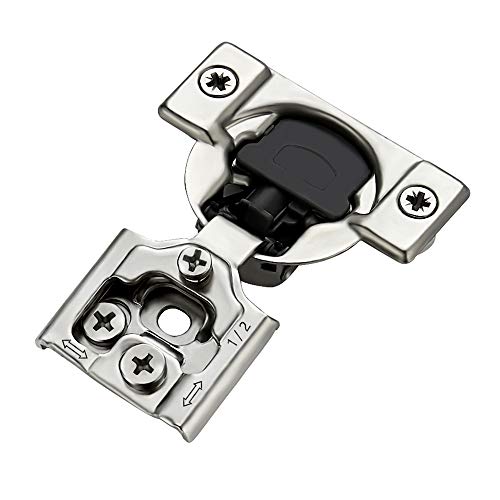
Replacing outdated hinges and brackets also made a noticeable difference. I selected concealed hinges for a clean look, which works well with sleek lines.
- Remove old hardware carefully to avoid damage.
- Match new fixtures with the theme of the room, whether industrial, minimalist, or rustic.
- Test everything after installation to ensure durability and function.
Incorporating these hardware upgrades transformed my classic items, giving them a renewed energy while preserving their inherent charm.
Reupholstering Cushions with Trendy Fabrics
Choose bold fabrics like geometric prints or rich textures to rejuvenate cushion covers. Opt for materials such as velvet or linen that not only add a chic touch but also provide durability.
For a cohesive look, select colors that complement the wood tones of your piece. Neutral shades can work wonders, but don’t shy away from vibrant hues that evoke a sense of whimsy and personality.
Consider adding decorative elements like piping or contrasting stitching to enhance the visual appeal. These small details can make a significant difference in transforming the overall aesthetic.
Before purchasing, measure existing cushions to ensure the new fabric fits perfectly. Sampling a swatch will help avoid any surprises with texture and color on a larger scale.
For DIY enthusiasts, invest in high-quality upholstery foam for comfort. The right inner materials can significantly affect the overall feel and longevity of the cushions.
Ultimately, reupholstering is not just about aesthetics–it’s a chance to infuse personal style while preserving the character of cherished pieces.
Mixing mahogany with other materials for a balanced aesthetic
Introduce metal accents, such as brushed brass or matte black, to bring a contemporary edge to traditional pieces. This combination can elevate the classic appearance while adding a touch of sophistication.
Incorporate glass elements to create an airy feel. A glass top table can enhance the richness of darker woods while maintaining an uncluttered look. This contrast can make the wooden base stand out even more.
Consider mixing textiles like leather or fabric in vibrant colors for upholstery. This addition not only modernizes but also adds comfort and invites a more relaxed ambiance. Bold patterns also serve as a focal point against the warm tones of wood.
Utilize concrete or stone in bases or accessories. Pairing these materials can ground the design, providing a striking contrast to the warmth of the wood while enhancing durability.
Experiment with rattan or wicker for soft texture. This pairing adds a natural element that softens harder lines and provides visual interest, making the whole setting feel more inviting.
Strategically combine these materials around a theme or color palette. This approach ensures a cohesive look that balances the richness of darker woods with the versatility of other textures and finishes.
Utilizing Paint Techniques to Update the Color Scheme
Choosing the right paint finish transforms a classic piece into a trendy statement. For a smooth, contemporary look, consider using chalk paint or milk paint. These options offer a matte, soft finish that compliments modern aesthetics.
Here are some techniques to consider:
| Technique | Description | Recommended Use |
|---|---|---|
| Distressing | Lightly sand edges after painting to create a worn effect. | Best for achieving a rustic or cottage feel. |
| Color Washing | Apply a diluted paint mix over a base coat to create a translucent look. | Ideal for softening bold colors or adding depth. |
| Ombre | Gradually blend two or more colors from dark to light. | Great for a modern, artistic flair. |
| Stenciling | Use stencils to add patterns or motifs for detail. | Perfect for adding a personal touch or themed designs. |
Applying a top coat after painting offers protection and enhances the finish. Polycrylic is an excellent choice for water-based paints, while oil-based polyurethane works well with oil-based products.
Experimenting with color combinations can breathe life into outdated pieces. Bold shades such as navy, emerald, or mustard can create striking contrasts against the rich base of the wood. Pairing these colors with neutral tones can balance the overall look.
Ultimately, the choice of paint technique should reflect personal style while aligning with the desired atmosphere of the space. Each method adds a unique character, making the end result truly one-of-a-kind.
Adapting Furniture Layout for Modern Spaces
To refresh the arrangement of your pieces in a contemporary setting, begin by assessing the flow of the room. Aim for an open layout that promotes ease of movement. Avoid blocking pathways with large items; instead, create conversational areas by positioning chairs and sofas towards each other.
Utilizing Multi-functional Pieces
Consider incorporating items that offer versatility, such as ottomans with storage or coffee tables that can extend. This not only maximizes functionality but also maintains a sleek appearance. A clean, uncluttered look can be achieved through these practical choices.
Strategic Placement and Balance
Focus on the visual balance of your arrangement. Place larger items against walls or in corners to prevent a cramped feel. Enhance symmetry by pairing accessories, like lamps or side tables, across the room. Ensure that the height of various elements is varied to keep the eye moving naturally across the space.
| Placement Tips | Description |
|---|---|
| Zone Creation | Define areas for different activities, like reading nooks and conversation zones. |
| Light Sources | Position items to utilize natural light, balancing artificial lighting for ambiance. |
| Scale Matching | Ensure pieces are proportionate to the size of the room, avoiding overwhelming small spaces. |
Finally, don’t shy away from a little experimentation. Rearranging periodically can keep the environment feeling fresh, allowing you to see what works best in harmony with other decorative elements.
Maintaining and caring for updated mahogany furniture
Regular dusting with a soft, lint-free cloth prevents scratches and maintains shine. I use a damp cloth for deeper cleaning, always ensuring to dry thoroughly afterward.
Applying a high-quality furniture polish every few months nourishes the wood and enhances its luster. I prefer natural oils, like lemon or beeswax, as they provide a protective barrier while improving appearance.
Avoid exposure to direct sunlight, as UV rays can fade the rich hues of the wood. Using sheer curtains or UV-protective window films is effective in reducing sun damage.
Humidity control is crucial; I keep indoor conditions stable. A humidifier can prevent cracking during dry seasons, while a dehumidifier helps in damp environments.
I inspect joints and fittings regularly, tightening screws and bolts as needed to maintain stability. This simple routine prolongs the life and functionality of each piece.
For stains, I gently blot with a mixture of mild soap and water, then rinse with a clean, damp cloth. Quick action minimizes damage.
Utilizing coasters and placemats during dining helps prevent water rings and scratches, ensuring the surfaces remain pristine.
If necessary, I consult a professional for repairs or refinishing, as their expertise often provides optimal restoration results.


