
 Caleb Turner

Begin with sanding the surface using a medium-grit paper to create a slightly worn texture. This technique enhances the patina, giving it the appearance of years of use. Follow up with fine-grit paper to smooth the edges while still retaining some of that aged character.
Next, apply a base coat of gray or brown paint, diluting it with water for a more translucent effect. This allows the underlying grain to subtly show through, mimicking the natural fading that occurs over time. For a more profound depth, consider layering additional shades of paint, allowing each layer to dry completely before adding the next.

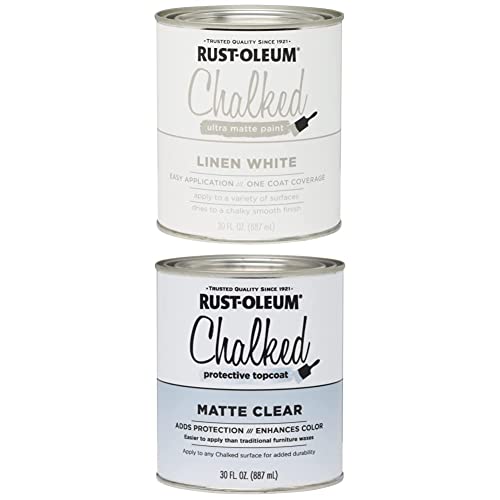

Incorporate a distressing technique using a hammer, chisel, or other tools to create nicks and scratches. Focus on corners and edges where wear naturally occurs. For an additional aged effect, apply a wash made from a mixture of vinegar and steel wool, allowing it to sit overnight before application. This solution interacts with the tannins in the wood, producing an authentic, aged appearance.
Finally, finish with a clear sealant to protect your creation while preserving the weathered look. Opt for a matte finish to maintain the rustic appearance. This process not only enhances the visual appeal but also adds character to your timber items, making them feel more integrated into any setting.
Achieving a Rustic Aesthetic
For creating a rustic appearance, I utilize a dry brushing technique. I take a brush, dip it lightly in a subtle color, often grey or white, and then remove most of the paint before applying it to the surface. This approach highlights the grain while adding depth and dimension.
Sanding is key. I use a coarse grit sandpaper to selectively distress corners and edges, simulating natural wear. Following this, a finer grit smooths out areas without losing character. This layering method reveals different tones in the timber.
Tea staining offers an alternative method to enhance the aged effect. I brew a strong black tea and apply it generously to the surface. The tannins in the tea impart a warm, antique finish while simultaneously darkening the wood.
For an authentic touch, applying a vinegar and steel wool concoction can create a beautiful etching on the surface. I let the mixture sit for a few days until it turns into a dark liquid. After applying it to the wood, the reaction with the natural acids gives a rich, aged patina.
Using a matte or satin polyurethane coating helps to protect the surface without adding gloss, maintaining that rustic feel. I recommend applying multiple thin layers, ensuring each coat dries completely before adding the next for optimal durability.
To finalize the transformation, I often incorporate natural fibers, such as jute or burlap, in the decor to complement the distressed charm, enhancing the overall aesthetic appeal.
Selecting the Right Type of Wood for Weathering
Choose a species that naturally exhibits patina as it ages. Options like pine, cedar, and oak develop rich textures over time.
Pine
- Affordability makes it a popular selection.
- Softwood nature accelerates the aging process, providing a rustic vibe.
- Take advantage of its ability to absorb stains effectively, creating depth.
Cedar
- Resistant to decay and insects, ensuring longevity.
- Rich, warm hues evolve beautifully with exposure to elements.
- Reacts well to treatments that enhance the weathered appearance.
For a more dramatic look, consider hardwoods such as oak or maple; their density allows for lasting impressions and intricate aging effects.
Oak
- Durable and strong, suitable for high-traffic areas.
- Grain patterns become pronounced over time, adding character.
- Stains penetrate deeply, creating a complex finish.
Make a thoughtful choice based on intended use, aesthetic preferences, and desired maintenance levels. Each type of timber has unique characteristics that impact the aging process, so experiment with different options for the best results.
Techniques for Distressing Wood Surfaces
To create an aged appearance on timber surfaces, I often rely on a mix of hands-on methods that yield authentic results. Here are several techniques that have proven effective:
- Sanding: Start with sandpaper of varying grits. Begin with coarse grit to create scratches and indentations, transitioning to finer grits to soften harsh edges. This creates depth and uneven textures found in aged surfaces.
- Planing: Use a hand planer to remove material unevenly in certain areas. Vary the pressure applied to achieve different depths, mimicking natural wear patterns.
- Chain or Nail Technique: Lightly hit the surface with a chain or nails to create dents and marks that suggest years of handling and use. Be strategic to avoid an overly uniform appearance.
- Staining: Apply a stain in a darker shade, allowing it to settle in the grooves and crevices. After drying, wipe off the excess, letting the pigment cling to distressed areas for contrast.
- Whitewashing: Mix water and paint in equal parts for a whitewash effect. Brush it over the surface and wipe it off immediately to allow some grain visibility, achieving an aged, sun-bleached look.
- Burning: Use a torch to slightly scorch the surface, adding areas of char that mimic exposure to the elements. This technique necessitates caution to avoid damage.
- Antiquing Glaze: After staining, apply a glaze designed for antiquing. This method enriches the texture and deepens the color in the recesses of the surface.
Experimenting with these techniques can lead to unique finishes that enhance the character of the pieces. Adjusting the intensity and combination of methods allows for a personalized touch that resonates with each individual project.
Choosing the Best Stains and Finishes
For achieving a rustic appearance, selecting the right stain is paramount. I prefer oil-based stains for their deep penetration and rich color. These tend to highlight the natural grain of the timber, enhancing its aged look. Water-based options also exist, providing faster drying times and easier clean-up but might not offer the same depth.
Consider using color enhancers like grey or weathered shades, which simulate the effect of exposure to the elements. These tones mimic the way natural materials fade over time. For that authentic touch, mixing multiple stains can result in a more complex and layered finish.
Finishing products play a role as well. Matte or satin finishes work best for simulating age. They minimize sheen, allowing the stained surfaces to evoke a more natural appearance. Polyurethane finishes provide durability and water resistance, but I opt for a topcoat that is non-glossy to maintain that vintage feel.
| Stain Type | Benefits | Considerations |
|---|---|---|
| Oil-Based | Deep penetration, rich colors | Longer drying time, odor |
| Water-Based | Quick drying, easy cleanup | Less depth, can raise the grain |
| Gel Stain | Consistent color, easy application | Can be thick, may require more effort to apply |
After staining, I recommend allowing ample drying time before applying a finish. This ensures proper adhesion and longevity of the desired effect. For maximum results, a light sanding between coats can enhance smoothness and improve the finish’s overall appearance.
Applying Weathering Techniques with Paint and Washes
For achieving an authentic patina, I recommend using a combination of paint and washes. Begin with a base layer of paint in a muted color that mimics the look of aged surfaces. Choose a flat or semi-gloss finish, as these tend to resemble natural wear and tear more closely. After the base coat dries, select a contrasting color for the first wash–consider a shade that imitates the appearance of faded colors over time.
To create the wash, mix acrylic paint with water in a ratio of approximately 1:4. This dilution allows the underlying color to show through while adding depth to the finish. Apply the wash using a large brush or sponge, working in small sections. Wipe away excess wash with a clean rag to control the intensity. This method helps to highlight the grain and imperfections, providing a more rustic charm.
For added dimension, consider layering multiple washes using different colors. A grayish-blue or weathered green can suggest exposure to the elements. After applying each layer, allow sufficient drying time to build up textures without mudding the overall effect. Sand lightly between layers if a more refined look is preferred.
Finally, seal the finish with a clear matte topcoat to protect against wear while preserving the rustic appearance. This step ensures that the artwork stands up to daily use while maintaining that treasured vintage aesthetic. Adjusting the layering techniques and color choices can create unique pieces that resonate with your personal style.
Using Natural Elements to Accelerate Weathering
Incorporating elements from nature significantly enhances the aging process of wooden surfaces. Sunlight exposure is a powerful tool; placing items in direct sunlight can deepen color and promote natural fading, resembling years spent outdoors. Rotate the furniture to ensure even exposure and prevent uneven discoloration.
Moisture and Wind
Utilizing water can also simulate natural aging. Spritz the surface lightly with water and expose it to air circulation using a fan or place it outside on a breezy day. The combination of moisture and wind promotes expansion and contraction, mimicking the effects of rainfall and breeze over time. Adjust humidity levels to control the intensity of the effect; higher humidity will quicken the process.
Natural Abrasion
Employing sand, dirt, or fine gravel enhances texture. Rubbing these elements against the surface mimics years of wear and tear naturally. Consider mixing these materials with a scrubbing pad for a more pronounced effect. Afterward, wipe away excess particles and reveal a more textured finish that feels authentically aged. Observing how nature affects surfaces can inspire distinctive technique applications.
Maintaining the Weathered Look Over Time
Regular cleaning is essential to preserve the aged appearance of my pieces. I opt for a soft, damp cloth to remove dust and dirt, avoiding harsh chemicals that can strip the finish.
Applying a protective wax periodically helps enhance longevity. I prefer natural beeswax or a quality furniture paste wax, working it into the surface for added resilience while keeping the rustic charm intact.
Humidity and temperature fluctuations can affect the integrity of the finish. Ensuring my items are placed in stable environments prevents unnecessary wear. I try to keep them away from direct sunlight, which could alter the hues over time.
Every few years, I assess the finish for signs of wear. Light sanding followed by reapplying the stain or finish can rejuvenate the look without losing its rustic character. I focus on maintaining the depth of color while respecting the existing texture.
Finally, staying attentive to minor scratches or blemishes allows me to address them promptly. I use touch-up markers or stains specifically designed for these instances, blending them into the surrounding area seamlessly without compromising the overall aesthetic.
FAQ:
What materials do I need to weather wood furniture effectively?
To achieve a weathered look on wood furniture, you will need some basic materials. Start with fine-grit sandpaper to smooth the surface and create a distressed effect. You’ll also need wood stain or paint in colors that mimic the natural aging of wood. Applying a grey or whitewash effect can enhance the aged appearance. Additionally, consider using steel wool for further distressing and a sealant to protect the finish once you’re satisfied with the look.
Can I achieve a weathered look on furniture without using chemical stains?
Yes, you can create a weathered look without chemical stains. Natural alternatives include using tea or coffee stains to give a warm hue. Another method is to use vinegar mixed with steel wool to create a homemade stain that can darken the wood while also adding texture. These natural methods not only provide a weathered appearance but also are eco-friendly options.
How long does it typically take to weather wood furniture?
The time required to weather wood furniture varies based on the techniques used. If you’re simply sanding or using pre-mixed wood stains, the process can take just a few hours. However, if you’re opting for methods that involve natural stains or multiple layers of finish, it might extend to a couple of days as you allow each layer to dry properly. Patience is key to achieving a beautiful effect.
Are there specific types of wood that work better for a weathered look?
Certain types of wood naturally lend themselves to a weathered look more than others. Softwoods like pine or cedar can be easier to distress and absorb stains well, resulting in a rustic appearance. Hardwoods such as oak or walnut can also be weathered effectively, though they might require more effort. Ultimately, the choice of wood may depend on your desired final look and the furniture piece’s intended use.


