
 Caleb Turner
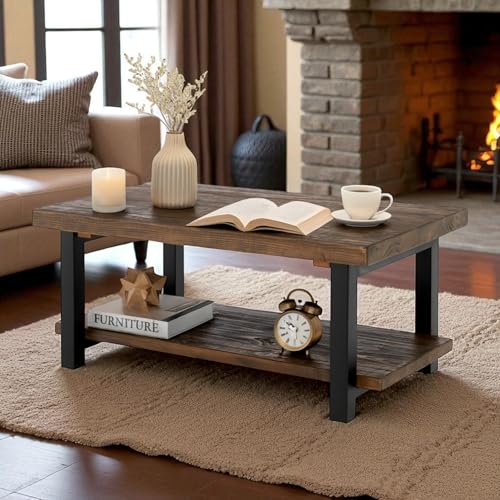
Consider combining reclaimed wood with metallic accents. A sturdy oak table base, paired with aged brass or copper fittings, immediately brings a vintage industrial vibe. Think of using rivets and bolts as decorative elements in your designs.
For seating, repurpose old machinery parts, such as gears or pipes, to craft unique chair structures. Adding leather or canvas upholstery enhances comfort while maintaining that rugged aesthetic. Don’t shy away from mixing textures; metals and fabrics can create stunning visual contrasts.


Incorporate lighting fixtures inspired by Victorian design. Mason jars or vintage bulbs suspended from chain links provide a perfect blend of functionality and style. Remember to think about the color palette; deep browns, rusty reds, and muted greens evoke the essence of a bygone era.
Choosing the Right Materials for Steampunk Aesthetic
The cornerstone of achieving a captivating design lies in selecting appropriate materials. Opt for a combination of aged wood and polished metals. Reclaimed wood, with its weathered texture, adds authenticity to any piece, while metal elements, such as brass or copper, can bring an industrial flair.
Wood Selections
Consider mahogany or oak, known for their durability and rich tones. For a more rustic appearance, pine and cedar work excellently. Incorporate wood with character, showcasing natural knots and grains that tell a story.
Metal Choices
Copper and brass are primary materials, perfect for pipes, gears, and other ornamental designs. Rusted or patina finishes can enhance the vintage feel. Combine these with iron accents for a more rugged, mechanical look. Make sure to explore other metals like aluminum for lightweight options that can still maintain an authentic touch.
Designing Your Steampunk Furniture Plan
Begin with a clear vision for the piece you intend to create. Sketch your ideas on paper or use digital tools for precision. Incorporate elements such as exposed gears, pipes, and vintage finishes to evoke the right atmosphere. Prioritize functionality alongside aesthetics; ensure your design meets practical needs without sacrificing style.
Consider dimensions carefully. Measure your space to ensure the creation fits well, allowing for comfortable use and movement. Visualize how the item integrates with existing elements within the environment to maintain a cohesive look.
Incorporate mechanical elements, like working drawers or extendable components, to enhance the piece’s charm. Think about how these features can add an interactive quality, inviting engagement. Play with asymmetry and unexpected combinations to create visual intrigue while ensuring balance in the overall design.
Select a color palette that aligns with the retro-futuristic vibe. Deep browns, brass, and muted greens often work well, reflecting the industrial roots. Use finishes that highlight the materials–distressed, aged, or polished surfaces can all serve different design narratives.
Research historical references to inspire design choices, exploring Victorian-era influences and early industrial innovations. This approach can provide not only aesthetic direction but also functional ideas, bridging history with creativity.
Finally, document your process, from initial sketches to completed assembly, to ensure clarity during construction. This organized plan enables you to adapt as challenges arise while keeping the vision intact.
Using Reclaimed Wood for Authenticity
Opt for reclaimed wood to enhance the genuine feel of your creations. Sourcing from old barns, warehouses, or furniture can introduce unique textures and histories to your pieces. Look for wood with rich patinas, knots, and grain variations that tell a story.
Where to Find Reclaimed Timber
Local salvage yards, online marketplaces, and architectural salvage stores are excellent starting points. Sometimes, even urban areas have hidden gems during renovation projects. Always ask about the wood’s origin to ensure you select pieces that complement the desired aesthetic.
Preparing the Wood
Cleaning is crucial. Begin by removing nails and screws. Sand the surface gently to eliminate splinters while preserving character marks. If a smoother finish is required, consider applying a natural oil or wax to highlight the wood’s natural beauty.
| Type of Reclaimed Wood | Typical Source | Characteristics |
|---|---|---|
| Barn Wood | Barns and Old Farms | Weathered, rustic look, often with paint remnants |
| Salvaged Pallets | Shipping and Storage Facilities | Versatile, often easy to work with, unique wear and tear |
| Historic Timber | Demolished Buildings | Rich history, unique colors, and aging patterns |
Integrating these materials will create not just functional items but true conversation pieces. Each element adds depth, ensuring your work stands out with a distinctive charm that only reclaimed wood can provide.
Incorporating Metal Elements and Hardware
Integrating metallic components significantly enhances the industrial aesthetic. Selecting aged brass, copper, or black iron gives an authentic feel. Pay attention to fittings, screws, and hinges as they can be statement pieces.
Types of Metals
- Brass: Offers a warm tone and develops a beautiful patina over time.
- Iron: Use cast iron for legs or supports; its ruggedness adds personality.
- Copper: Ideal for decorative accents like piping or to create unique light fixtures.
Practical Hardware Applications
Consider these applications for hardware:
- Use industrial-style casters for mobility on heavier items.
- Add exposed gears and clock mechanisms for a vintage flair.
- Incorporate metal pipes in the construction of tables or shelving supports.
Don’t overlook utilizing salvaged hardware from old machines or furniture–this can add a sense of history and uniqueness to your creation. Mixing these components with wood can yield a striking contrast that embodies the desired aesthetic.
Finding Vintage Components and Accessories
Visit local thrift stores, flea markets, and antique shops for a treasure trove of retro parts and accessories. Items like old gears, clock mechanisms, and metal pipes can serve as striking visual elements. Don’t overlook yard sales; they often hide unique finds at bargain prices.
Online platforms, such as eBay and Etsy, provide vast selections of vintage items. Search specifically for industrial parts, knobs, and furniture fragments that resonate with a bygone era. Ensure to check the seller’s ratings and reviews for a reliable purchase.
Consider local salvage yards as an excellent resource for metal scraps and reclaimed items. Items like vintage lighting fixtures or old machinery components can add authentic character to your design.
Networking with fellow enthusiasts through forums or social media groups can yield leads on where to find specific components. Often, members are willing to sell or trade items, contributing to a unique collection.
Repurpose items from discarded furniture; old wardrobes and drawers can provide hardware. Keep an open mind about functionality versus aesthetics–any item can become a piece of art with the right vision.
Techniques for Creating Patina and Aging Effects
For achieving an authentic aged look, I opt for a mixture of vinegar and steel wool. Let the wool soak in vinegar for a couple of days to create a rust solution. Apply this homemade patina to metal surfaces using a brush or cloth. The reaction will provide a rich, weathered finish.
For wood surfaces, I often use dark tea stains to simulate age. Brew several bags of black tea, allow it to cool, then apply with a brush or cloth. The tannins in the tea deepen the wood’s natural color, offering an aged appearance.
Oxidation Effects
An effective method for metal is accelerated oxidation. Mix salt, vinegar, and hydrogen peroxide. Spray this solution onto the surface and watch for rapid corrosion. Rinse after a few minutes to control the effect for a desired finish. This technique creates a convincing distressed look.
Layering Techniques
Layer different paint or stain colors. Start with a dark base, then add lighter hues on top, followed by sanding to reveal the darker color underneath. This adds depth and complexity, simulating years of wear. I use a variety of brushes to create textured finishes, focusing on areas that would naturally wear down.
Assembling and Joining Techniques for Durability
Using pocket hole joinery enhances strength and is visually appealing for projects. Drill holes at an angle for hidden screws; this method works wonders with reclaimed materials.
Strong Adhesives
For non-visible joins, employ high-quality wood glue combined with mechanical fasteners. This duo ensures a solid bond that withstands the test of time. Always clamp pieces during drying to prevent shifting.
Metal Brackets and Corner Supports
Incorporating metal brackets adds structural integrity and aligns perfectly with an industrial vibe. Choose aged or patina-finished brackets to blend seamlessly with timber. Corner supports work well for tables and shelves, preventing wobbling while enhancing the overall aesthetic.
Consider dowel joints as an alternative for a clean and contemporary look. Precise drilling will ensure a snug fit, providing support without visible hardware. For added durability, reinforce these joints with glue and clamps.
Finishing Touches: Upholstery and Decor for an Industrial Aesthetic
Incorporate rich fabrics like velvet, leather, or distressed canvas as upholstery. These materials provide a sense of luxury while retaining a rugged feel suitable for this style.
Choosing Upholstery Colors
Select colors that reflect vintage tones. Consider:
- Deep greens, browns, and burgundies for a rich atmosphere.
- Muted gold or copper accents to simulate aged metals.
- Charcoal or slate for a foundation that enhances other elements.
Decorative Accessories
Accessorizing is pivotal. Focus on unique elements that enhance the character:
- Find antique light fixtures such as Edison bulbs or gas lamps to create ambient lighting.
- Utilize gears, pipes, and clock parts as decorative pieces on shelves or tables.
- Add maps or old books as wall art or on coffee tables to evoke a time-traveled feel.
Textural contrasts bring depth. Mixing smooth metals with rough wood or plush fabrics adds visual interest. Layering different textures establishes an inviting and intriguing space.
Completing the look involves integrating personal touches and unique finds. Curated vintage collections or handmade items can truly set the atmosphere apart, creating a narrative that is distinctly yours.


