Caleb Turner
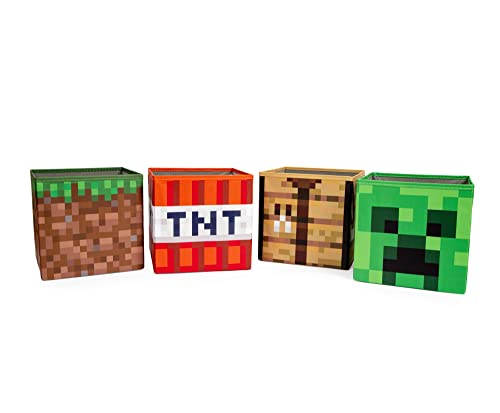
I recommend using a combination of blocks to create visually appealing seating options like chairs and sofas. Start with stairs for chair backs, using slabs for seating surfaces. This combination not only adds detail but also enhances the overall aesthetic of your space.
Want to add tables? Utilize trapdoors around a solid block to simulate table legs, and use pressure plates on top for a polished surface. This technique generates a minimalistic yet effective table design that perfectly complements various settings.
For a realistic storage solution, incorporate chests and barrels to form drawers in your sideboards or cabinets. Adding signs to indicate contents boosts the immersion factor significantly. Don’t overlook the aesthetic value of glass panes, which can be used to mimic windows or decorative elements.
Lastly, consider using banners for wall art or curtains, which can add character and depth to any room. With attention to detail and a mix of materials, it’s feasible to achieve an impressive and functional decor in your virtual environment.


Creating Authentic Highlights in the Game
I often use wood planks, stairs, and slabs to craft tables and chairs. A simple way to design a table is by placing two slabs on top of two signposts. This gives an elegant look and a functional design. For chairs, I prefer using upside-down stairs next to a table with an additional block behind them for support.
To enhance the atmosphere, I frequently add item frames on the walls with paintings, providing a more personalized touch. Using trapdoors can also work well for shelves; just attach them to a block to create a sleek storage solution.
For seating areas, cushions can be simulated using beds or carpets. Placing carpets next to stairs gives the impression of being plush. Additionally, I often utilize plants like ferns or cacti in pots to add greenery, which brings life into the space.
Lighting is paramount. I utilize glowstone and lanterns for a warm glow. Positioning these items on table corners or hanging them from ceilings creates a cozy ambiance. Experimenting with different materials and arrangements allows for unique designs that complement any interior.
Lastly, mixing various textures can yield fascinating results. Combining quartz with dark oak or blending stone with brick creates a stunning visual contrast, making the area feel more dynamic and inviting. Each small detail contributes significantly to the overall aesthetic of my builds.
Choosing the Right Materials for Furniture
Oak wood is my go-to choice for creating sturdy tables and chairs. Its design balances durability and aesthetics well, making it versatile for various styles.
For softer seating options, spruce wood works nicely. Its lighter tone brings freshness to any room, and it’s easy to pair with different colors.
When crafting more decorative pieces, consider using item frames for displaying artwork or books. It’s a simple yet effective way to add character.
Glass panes can serve as elegant tabletops or shelves. They create an illusion of space while maintaining a modern look.
Wool blocks are perfect for cushions or decorative touches. With multiple colors available, they allow personalization to fit any theme.
Metallic blocks like iron or gold can enhance industrial-style decor. Use them sparingly for accent pieces, ensuring they catch the eye without overwhelming the design.
Lastly, don’t underestimate the potential of plants. Flower pots crafted from clay add a natural feel to the environment and can brighten any area.
Crafting Chairs Using Various Designs
For chair options, I prefer using stairs, slabs, or fences combined with different materials to create unique styles.
Types of Chair Designs
Here are some effective configurations for crafting chairs:
| Design Style | Materials Required | Crafting Recipe |
|---|---|---|
| Simple Wooden Chair | Wooden Planks, Stairs | Place 2 stairs and a slab on the ground behind them. |
| Modern Chair | Stone Slabs, Signs | Use 3 stone slabs in a row with a sign on either side. |
| Outdoor Bench | Wooden Planks, Fences | Lay 3 wooden planks horizontally with fences at both ends. |
| Cozy Armchair | Stairs, Carpet | Two stairs facing inward with a carpet on top. |
Customization and Variations
Incorporating colors and textures can enhance the look. Adding carpets or banners can add a personal touch. Experiment with placing blocks at angles to create dynamic shapes.
Building Tables with Different Dimensions
Consider creating tables with varying sizes to fit your space and design needs. Here are some dimensions to experiment with:
- Small Table: A simple 2×2 design using wooden planks, perfect for compact areas.
- Medium Table: A robust 3×3 table can serve as a dining surface or workstation.
- Large Table: For a grand look, a 5×3 layout makes an impressive centerpiece.
To craft a table, place blocks in the designated formation and utilize additional materials for decoration:
- Choose an appropriate foundation–wooden slabs or stone can provide stability.
- Consider using fences or walls as legs, giving a unique aesthetic.
- Add plates or carpets on top for a finishing touch, enhancing the overall ambiance.
Experiment with these dimensions:
- Rectangular Tables: Use 2×3 or 2×4 configurations for a versatile feel.
- Round Tables: Mimic a circular shape with slabs, making 3×3 patterns.
- Custom Shapes: Combine different block types to create unique designs tailored to your space.
Incorporate lighting options underneath for a warm glow, contributing to the atmosphere. Adjust the height by varying block types for a more dynamic visual appeal.
Creating Shelves to Organize Your Space
To design shelves, I begin by choosing the right style and dimensions based on the available area. For a minimalist look, wood planks make an excellent choice. I usually prefer oak or dark oak for their richness.
To create a simple shelf, I gather six wooden planks and three wooden blocks. I arrange the planks horizontally for the top and bottom, placing the blocks vertically on the sides. After crafting, I place the shelf on the wall at an accessible height.
If I want to add variety, I explore corner shelves. I use stair blocks to fill corners efficiently. This not only utilizes space but also adds an aesthetic touch. I align them to create a seamless flow.
For decorative options, I incorporate trapdoors to act as a unique shelf base. I can strategically place these on the edges of my existing shelves to enhance their look while giving them a more defined structure.
To personalize the shelves, I utilize item frames. This allows me to showcase books, plants, or other items. Placing these frames on the shelves gives a customized feel and brings character to the room.
By varying shelf heights and the number of shelves, I can create visual interest as well as optimize functionality. Experimentation helps in finding the best layout that fits both style and needs.
Designing Beds for Comfort and Style
Incorporate various designs to achieve an inviting sleeping area. Consider layering materials, such as using wool for a cozy bedding effect and planks for a sturdy base. A raised platform bed can add visual interest; use stairs for the sides to achieve a seamless look. This approach not only enhances aesthetics but also elevates the sleeping experience.
Utilizing Color and Texture
Select contrasting colors to make the bed stand out. Combine light-colored blocks with darker bedding materials for dynamic appeal. Utilize carpets to add texture; placing them on top of wool can simulate a plush mattress. Experimenting with flower pots or item frames at the headboard can invoke a personalized touch while maintaining a clean design.
Accessing Added Features
<p.Include bedside tables using fence posts or slabs to create a cohesive environment. Adding light sources, like glowstone or lanterns, around the bed creates a warm atmosphere, enhancing comfort. For an added flair, crafting a canopied bed with trapdoors can evoke an elegant vibe, making your sleeping quarters not just functional but stylish.
Creating Decorative Items for Enhanced Aesthetics
Using simple blocks and items can significantly uplift the overall ambiance of a space. Consider introducing a variety of decorative pieces such as paintings, plant pots, and unique lighting to enrich your environment.
Suggestions for Decorative Additions
- Wall Art: Craft paintings using wool and sticks. Display these on walls for a personalized touch.
- Flower Pots: Combine bricks or clay with bone meal to grow flowers and create visually appealing pots.
- Lanterns and Glowstone: Enhance lighting with lanterns made from iron and torches, or use glowstone blocks for a vibrant shine.
- Rugs: Use carpets to add color and texture. Mix and match different colors for a dynamic look.
Tips for Arrangement
- Group similar items together to create a cohesive theme.
- Use varying heights to add depth. Taller items like plants can stand next to shorter ones like tables and chairs.
- Incorporate symmetry for a balanced look, especially when using pairs of items like lamps or paintings.
Incorporating these elements will not only beautify your surroundings but also create a more inviting and immersive atmosphere for your builds.
Implementing Lighting Solutions for Furniture Areas
Incorporating various lighting elements can transform the ambiance of your indoor arrangements. Here are some specific options I prefer:
- Glowstone Blocks: These provide a soft, warm light ideal for placing beneath or around seating areas, adding a cozy atmosphere.
- Sea Lanterns: For a modern touch, using sea lanterns in dining spaces creates a bright, inviting environment. Their sleek design complements contemporary styles well.
- Lamps using Signs and Torches: Crafting lamps with signs and torches can yield unique designs. Place a torch on the floor and use a sign floated above for an interesting light source.
- Item Frames and Glowstone: Using an item frame with glowstone can serve as decorative lighting. Hanging these at varying heights creates visual interest while illuminating the space.
- Redstone Lamps: If you enjoy mechanics, redstone lamps can be linked to switches for customizable lighting. Adjust brightness according to the time of day or mood.
Placement plays a key role in lighting effectiveness. Here’s how I approach arranging lights:
- Position lights above tables or seating to enhance visibility and create a focal point.
- Utilize subtle light sources around bookshelves or decorative items to highlight them without overpowering the area.
- In bedrooms, consider wall-mounted lights for a gentle glow, promoting relaxation.
- Experiment with layering lights at different heights to create depth in the space.
Experiment with combinations. For example, pairing wall-mounted sea lanterns with floor-level glowstone can yield a unique effect. Think about color palettes too; warm-colored lights harmonize well with wood materials while cooler options enhance metal or stone designs.
By thoughtfully implementing lighting solutions, distinct atmospheres in living and dining areas emerge, accentuating each carefully crafted piece.
Using Redstone for Functional Mechanisms
Incorporating redstone into my designs lets me create interactive components that enhance the utility of my crafted pieces. A simple example includes a hidden door behind a bookshelf. By placing a lever or button nearby, I can activate a piston that retracts when triggered, allowing access to secret spaces.
For a dynamic seating experience, I build chairs that retract with redstone circuitry. Using a piston facing downward, I place a seat block on top. Activating the piston retracts the seat, giving the illusion of it folding away when not in use.
Tables can also benefit from redstone by integrating hidden compartments. I create a trapdoor under the tabletop, connected to a button. Pressing the button opens the trapdoor, perfect for storing items while keeping surfaces tidy.
Lighting features elevate ambiance significantly. Utilizing glowstone connected to redstone, I incorporate a switch that adjusts brightness levels. For a subtle touch, I can even create flickering effects using repeaters in the circuit.
Another fun addition is the use of note blocks for decorative sounds when interacting with certain pieces, like a shelf. When I retrieve an item, the note block emits a sound, adding character to the experience. This blend of aesthetics and functionality elevates the entire atmosphere of my space.
Incorporating furniture into home architecture
Integrating elements inside a dwelling can enhance both functionality and design. Establish distinct zones by using items to define spaces: a cozy reading nook with a chair and a side table can transform a corner, while an attractive dining area benefits from an appropriately sized table and chairs.
Choosing the ideal layout should take into account flow and interaction. Position larger pieces, such as beds and sofas, to facilitate movement while creating a harmonious balance with other elements. For instance, offsetting a sofa with end tables can create an inviting atmosphere.
Utilize elevation and height variations to add interest. Incorporate shelving units that draw the eye upward, utilizing vertical space for storage or displaying decorative pieces. Low-profile benches can provide seating without overwhelming the area.
Highlight features through placement. Align narrow tables along walls to showcase wall art or plants, thus drawing attention to design details. Take advantage of lighting to illuminate specific areas, enhancing visibility and ambiance.
Consider functionality as a primary element by incorporating multi-purpose items. A coffee table with storage compartments maximizes space, making it both a stylish and practical choice.
| Item Type | Purpose | Placement Tips |
|---|---|---|
| Chair | Seating | Position to encourage conversation |
| Table | Surface for activities | Center of a gathering space |
| Shelf | Storage/Display | Wall-mounted for visual interest |
| Bench | Seating | Against walls or in entryways |
Utilizing colors and textures creates a cohesive look. Warm tones can make a space inviting, while cooler hues provide tranquility. Mix materials, such as wood and metal, to achieve a dynamic aesthetic.
Each of these strategies contributes to a seamless integration of elements, creating a functional and visually appealing interior space.