
 Caleb Turner
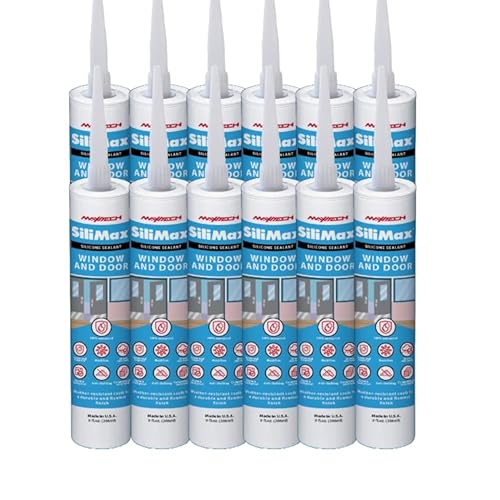
Choosing suitable coatings is fundamental for protecting delicate surfaces against moisture and UV rays. I prefer using high-quality exterior sealants or sprays that provide a robust barrier. These products prevent water damage and fading from sunlight, extending the lifespan of treasured items.
Boost durability with weather-resistant materials. For instance, adding outdoor-grade cushions or covers ensures comfort while safeguarding them from rain and harsh sunlight. Investing in these accessories allows me to enjoy the aesthetic of my beloved pieces without compromising on longevity.

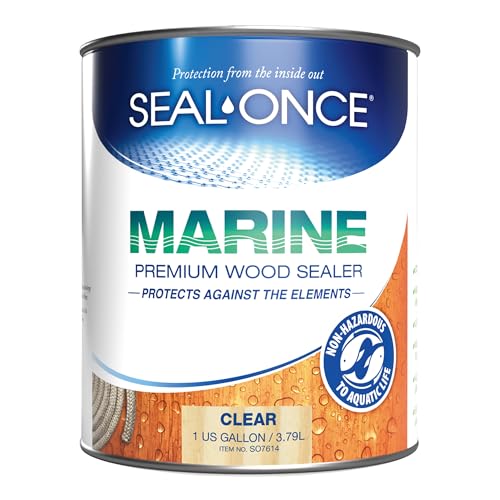
Secure structural integrity by regularly checking joints and screws. Over time, exposure to the elements can weaken connections. I often reinforce vulnerable areas with exterior-grade screws and adhesives, which significantly increase stability and resilience against nature’s whims.
Choosing the Right Materials for Outdoor Use
Opt for weather-resistant options like aluminum or teak. Aluminum is lightweight and rustproof, while teak possesses natural oils that fend off moisture and insects.
Consider synthetic materials such as high-density polyethylene (HDPE) or polypropylene. These are robust, easy to clean, and maintain their color and structure despite exposure to the sun and rain.
Natural fibers like rattan can work if treated properly. Ensure they are coated with a protective sealant to prevent damage from humidity and UV rays.
For textiles, look for solution-dyed acrylic fabrics. They resist fading and mildewing, making them suitable for various weather conditions.
Incorporate metal finishes that are powder-coated or galvanized to prevent corrosion. This adds an extra layer of durability against the forces of nature.
Check for UV resistance ratings on all materials to ensure longevity, particularly if placed in direct sunlight.
Seek out materials with warranties that cover wear and tear caused by environmental exposure. This provides peace of mind and validates their durability claims.
By carefully selecting materials, I ensure that my decor items withstand the elements while maintaining their aesthetic appeal. Consider blending materials for both style and practicality.
Preparing Indoor Furniture for Outdoor Exposure
Choosing the right finish is crucial. I recommend applying a high-quality outdoor sealant to surfaces to protect against moisture and UV damage. Ensure the finish is compatible with the current surface; oil-based varnishes often provide better protection than water-based ones.
Cleaning Thoroughly
Before exposing any items to the elements, I always clean surfaces thoroughly. Use a gentle detergent mixed with water to remove dust, grime, and potential mold. Rinse well and allow it to dry completely before proceeding with any protective coatings.
Reinforcing Structure
Inspect connections, joints, and screws for any signs of wear. I recommend reinforcing weak areas with wood glue for wooden pieces or using a rust-resistant adhesive for metal items. This reinforces structural integrity against potential outdoor forces.
Applying Weather-Resistant Finishes
Opt for a high-quality sealant or weatherproof paint specifically designed for protection against moisture and UV exposure. These products create a barrier, preventing damage from harsh elements. Always ensure the surface is clean and dry before applying the finish.
Types of Finishes
Consider using polyurethane or marine-grade varnish for wood surfaces. Both offer excellent durability and finish. For metal items, a rust-inhibiting primer followed by powder coating will significantly improve longevity. Fabrics should be treated with a specialized water-repellent spray to keep them resistant to mildew and fading.
Application Techniques
When applying a finish, use a brush or roller to ensure even coverage. Multiple thin coats are preferable to a single thick layer, which can lead to peeling. Follow the manufacturer’s instructions regarding drying times and curing periods for optimum results. Regular maintenance, such as reapplication every few years, will extend the life of the protective layer.
Lastly, always test the product on a small section before full application to ensure compatibility with the material. This proactive approach helps avoid discoloration or unwanted reactions that could compromise appearance or integrity.
Protecting Against UV Damage
Applying a high-quality UV-resistant coating is crucial for minimizing sun exposure risks. I regularly choose products specifically formulated for outdoor surfaces, which provide a protective barrier against harmful rays. Brands like Thompson’s WaterSeal or TotalBoat have great options for maintaining the integrity of various materials.
Regular Maintenance
Routine upkeep involves reapplying the protective coating every year or two, depending on sun intensity and weather conditions in your area. I set a reminder in my calendar to inspect surfaces for fading or wear, which helps in maintaining their appearance and durability.
Use of Covers
When furniture is not in use, I cover it with UV-resistant tarps or covers. This simple step significantly reduces direct sunlight exposure, preserving the color and structure of the items. Ensure that the covers are breathable to prevent moisture buildup.
Additionally, keeping items in shaded areas or using large umbrellas can further minimize UV impact. It’s also helpful to rotate items occasionally to ensure even exposure to sunlight, enhancing their lifespan.
Ensuring Stability and Safety on Uneven Surfaces
Utilize adjustable leveling feet or furniture coasters to counteract irregular ground conditions. This allows for greater balance and minimizes rocking or tipping. Some models come with built-in adjustability, which simplifies modifications.
In environments with unstable terrain, consider anchoring the items using stakes or weights. For heavier pieces, placing a sandbag or a weight on corners can provide additional support.
Employ rubber or silicone pads under feet to enhance grip and prevent slipping, especially on smooth surfaces. These materials absorb shock and provide stability, significantly improving safety.
Design elements such as wider bases or lower center of gravity contribute to enhanced stability. Selecting robust construction methods can also play a role in how well items perform in challenging conditions.
| Method | Description |
|---|---|
| Adjustable Feet | Allows modification for height, enhancing balance on uneven ground. |
| Anchoring | Using weights or stakes to secure pieces in place. |
| Non-Slip Pads | Rubber or silicone pads to prevent sliding and maintain stability. |
| Wider Bases | Increases contact with the ground for better balance. |
| Robust Construction | Ensures durability, allowing pieces to withstand environmental challenges. |
Evaluate the layout regularly, ensuring that nothing obstructs the base or introduces hazards. Adjust placements based on environmental observations to ensure continued security.
Maintaining Outdoor Furniture Over Time
Regular cleaning is necessary; I use a mild soap solution and a soft cloth to avoid scratches. Rinse thoroughly to remove any soap residue. It’s advisable to perform this task at least once a month, especially after heavy rainfall or storms.
Seasonal Inspections
At the start of each season, I conduct a thorough inspection. I check for signs of wear, such as rust, loose joints, or any fading. Addressing these issues early prevents further damage and extends the lifespan.
Covering and Storing
Using high-quality covers during harsh weather conditions is key. For winter months, I often opt for storage in a garage or shed if space allows. This minimizes exposure to moisture and prevents growth of mold and mildew on surfaces.


