Caleb Turner

Begin with a thorough cleaning of the item, ensuring to eliminate all dust and previous finishes. I recommend using a mild soap solution, wiping gently with a soft cloth. This step is crucial for achieving a smooth application later.
Once clean, consider applying a primer specifically designed for non-porous surfaces. This ensures the new finish adheres properly and enhances durability. Opt for a water-based primer that dries clear, which will not alter the final tone.
Following the priming stage, choose a latex paint in a soft cream shade. I find that paint with a matte or eggshell finish replicates the desired vintage appearance best. Use a high-quality brush or roller for even coverage, applying thin layers to avoid drips.
For an added layer of authenticity, distress the surface slightly after painting. Use sandpaper on corners and edges to expose hints of the original color beneath, creating a beautifully aged effect. Finish with a clear wax or topcoat to protect the finish while maintaining that sought-after patina.


Creating a Vintage Off-White Shade
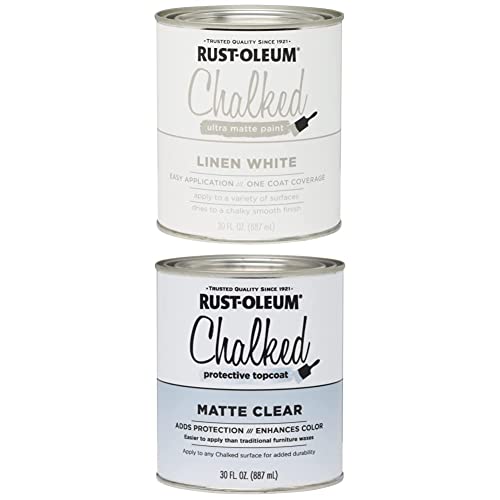
Choose a high-quality chalk paint for a smooth, matte finish. I prefer a soft off-white tint to add depth. Apply a primer if the base material is dark or glossy to ensure better adherence and longevity of the top color.
Use a brush or sponge applying the base coat in thin layers to avoid drips. Two or three coats often yield the best results, letting each layer dry completely before the next application.
Once the paint is dry, lightly sand the edges and surfaces where natural wear would occur. This technique reveals the underlying material, creating an authentic vintage effect.
For an antiqued appearance, consider using a glaze. Mix a compatible color with a glazing medium and apply it over the dried paint. Wipe away excess with a damp cloth, leaving the glaze in crevices and details.
Finish with a non-yellowing topcoat to protect the surface while enhancing the vintage feel. Select a matte or satin finish depending on the desired final look.
Allow the piece to cure for at least a week before regular use to ensure durability. Regular maintenance, such as dusting and using furniture polish, will help retain its charm over time.
Choosing the Right Type of Furniture for Antique White Finish
Opt for pieces made from solid wood, as they absorb paint better and allow for rich texture when distressed. Look for older items, specifically those with intricate carvings or unique shapes, which can enhance the vintage aesthetic.
Best Materials
Oak and pine are ideal selections for achieving that vintage charm. Pine tends to have natural knots, adding character and depth. Oak provides durability along with a fine grain that delivers a classy finish when coated in a creamy hue.
Design Considerations
Shabby chic styles with distressed edges create a delightful impression. Furniture with turned legs or scalloped edges enhances the antique flair. Avoid overly modern designs to maintain the sought-after rustic atmosphere.
Pay attention to existing features, such as hardware or upholstery. Replacing dark knobs with aged bronze or opting for soft, neutral fabrics brings out the desired antiquity. Combining these elements ensures a cohesive look that transcends time.
Preparing the Surface: Cleaning and Sanding Techniques
Begin with thorough cleaning. I use a mixture of warm water and mild soap to wipe down the pieces. This removes dirt, grease, and any old polish residues. A microfiber cloth works best for this task to prevent scratches.
After cleaning, allow the item to dry completely before proceeding to sanding. For sanding, I recommend using 220-grit sandpaper. This grit is gentle enough to avoid damage while effectively smoothing the surface. Sand in the direction of the wood grain to achieve an even finish.
Techniques for Effective Sanding
To reach tight corners and detailed areas, I often use sanding sponges or small sanding blocks. If the surface has multiple layers of old paint or varnish, a belt sander can expedite the process, but care is needed to avoid gouging the wood. Always follow up with hand sanding to ensure a smooth touch.
Removing Dust and Preparing for Finish
After sanding, dust is a common issue. I use a vacuum with a brush attachment to collect particles from every crevice, followed by a damp cloth to wipe any remaining dust. Allow the surface to dry again. This preparation ensures that the subsequent paint adheres properly, leading to a beautiful finish.
| Task | Recommended Tool | Notes |
|---|---|---|
| Cleaning | Microfiber cloth, warm water, mild soap | Ensure surface is free of residues |
| Sanding | 220-grit sandpaper or sanding sponge | Sand in the direction of the grain |
| Dust Removal | Vacuum and damp cloth | Final wipe ensures no dust remains |
Selecting the Best Antique White Paint or Stain
For achieving that sought-after faded charm, I recommend examining both paint and stain options. Each medium offers its own unique appearance and depth. Here’s a breakdown of popular choices:
| Type | Finish | Best For |
|---|---|---|
| Acrylic Paint | Matte or Satin | Flat surfaces requiring durability |
| Chalk Paint | Velvety Matte | Giving instant vintage appeal |
| Milk Paint | Natural and Matte | Eco-friendly projects with a rustic feel |
| Oil-Based Paint | Semi-Gloss | Durable finishes for high-traffic areas |
| Stain | Translucent or Semi-Transparent | Enhancing wood grain while providing color |
Choosing a quality product can significantly impact the final aesthetic. Look for paints or stains labeled as “antique white” to find shades that mimic the natural aging process. Balance between coverage and transparency is key; too opaque can negate that desirable aged effect, while too sheer may not provide enough contrast. Always test samples on a small inconspicuous area to ensure satisfaction with the tone and saturation.
For easier application, opt for water-based options; they dry quickly, allowing for multiple coats within a short timeframe. However, oil-based varieties provide exceptional durability and may be preferable for pieces handling more wear and tear. Keep in mind the sheen level as well; a matte or satin finish typically enhances the vintage look more effectively than a high-gloss sheen.
Applying Primer for a Lasting Finish
Before applying the final coat, I recommend using a high-quality primer. Primer ensures better adhesion of the topcoat and enhances durability. Choose a primer that is compatible with the paint type selected. Here are some steps I follow:
- Ensure the surface is clean and dry before application.
- Use a brush or roller to apply an even layer of primer, covering all areas thoroughly.
- Allow the primer to dry completely as per the manufacturer’s instructions.
- Lightly sand the primed surface with fine-grit sandpaper to create a smooth base for the top layer.
- Wipe away any dust particles with a clean, dry cloth before moving on to the paint application.
Tips for Application
- Work in a well-ventilated area to help the primer dry faster and mitigate strong fumes.
- Consider using a spray primer for even coverage, especially on intricate details.
- Inspect the surface after the primer dries; if spots are missed, touch them up as needed.
By carefully applying primer, I ensure that the final finish adheres well and lasts longer, providing that desired aged appearance.
Techniques for Applying Antique White Paint Evenly
Achieving a smooth and uniform finish with this light hue requires attention to detail. Start with a high-quality brush or roller specifically designed for the type of surface you’re coating. A foam roller can work wonders for flat surfaces, while a natural bristle brush excels on intricate details.
Before application, mix the paint thoroughly to ensure consistency throughout. Pour a manageable amount into a tray and load the brush or roller without saturating it. This prevents drips and uneven application.
Apply thin coats rather than trying to cover everything in a single layer. Thin layers dry quicker and help in reducing streaks. Allow each coat to dry fully before applying the next, as this enhances adhesion and creates a more vibrant finish.
- Use long, even strokes in one direction to minimize brush marks.
- Don’t overwork the paint; simply lay it on and move on.
- For a distressed effect, sand lightly between coats once they are dry.
Inspect the surface for any blemishes after each coat, and sand down imperfections before continuing. This practice ensures a flawless final result. For edges and crevices, apply paint with a smaller brush for precision.
Finally, consider a final topcoat such as a clear wax or matte finish sealer to protect and enhance the depth of the shade. This added layer not only preserves the look but also extends the longevity of your project.
Creating an Aged Look with Distressing Methods
To achieve a weathered appearance, I prefer using a combination of sanding and paint techniques. Start with a medium-grit sandpaper, focusing on areas where wear would naturally occur, such as edges and corners. This creates a genuine aged effect.
Next, consider applying a darker wash or glaze after the main color dries. Diluting acrylic paint with water enhances depth in cracks and crevices. Using a rag, dab the mixture onto the surface, wiping away excess to retain a subtle depth.
For an additional layer of distressing, try the “chippy” look. Apply a coat of a contrasting color beneath the primary finish. After it dries, gently sand back the top layer to reveal glimpses of the underneath shade. This not only gives character but mimics authentic wear.
Alternatively, use a technique involving candle wax. Before your final coat, apply wax on the edges to prevent paint from adhering fully. Once dried, the final layer will scratch away easily, exposing the base layer for a truly distressed finish.
Finally, sealing the piece with a matte clear coat will help protect the finish while maintaining that vintage feel. Avoid glossy finishes, as they detract from the authentic appearance.
Sealing and Protecting Your Antique White Furniture
I recommend using a high-quality polyurethane or a wax finish for sealing surfaces. Polyurethane offers excellent durability and protects against moisture, while wax achieves a soft, natural sheen. Choose a product depending on the desired finish and the level of protection needed.
Application Process
For polyurethane, apply with a foam brush in thin, even coats. Allow each layer to dry completely before lightly sanding with fine-grit sandpaper. After applying the final coat, let it cure for at least 24 hours before use. Wax can be applied with a soft cloth. Work the wax into the surface, then buff it to achieve a luster.
Maintenance Tips
To maintain the integrity of finishes, avoid harsh chemicals and abrasive cleaners. Instead, use a soft, damp cloth for regular cleaning. Reapply wax every six months to keep the surface protected and looking its best. For polyurethane, inspect periodically for any wear and consider applying an additional coat if necessary.
When sealing, always test products on a small, inconspicuous area to ensure the desired outcome before full application.
Maintaining and Caring for Antique White Furniture
Regular dusting with a soft, dry cloth prevents the accumulation of dirt and maintains the surface’s charm. For deeper cleaning, I use a damp microfiber cloth with a gentle, non-abrasive cleaner to avoid scratches.
Protective Measures
Always use coasters and placemats to shield surfaces from heat and moisture. I apply felt pads under decorative items to prevent scratches. Consider placing the piece away from direct sunlight to avoid fading.
Periodic Touch-ups
Inspect for any signs of wear regularly. For minor scuffs and scratches, a touch-up with a matching paint or wax crayon can be effective. If you notice significant damage, I suggest sanding the affected area lightly and reapplying paint to restore its original beauty.
Using a high-quality furniture polish suited for painted surfaces helps maintain a protective layer while adding a subtle sheen. Reapply this polish every few months for best results.
FAQ:
What are the steps to achieve an antique white finish on furniture?
To achieve an antique white finish on furniture, you’ll want to follow several steps. Begin by cleaning the piece thoroughly to remove any dust or grime. Next, sand the surface lightly, focusing on areas that would naturally wear over time. After sanding, apply a coat of primer to ensure even coverage. Once the primer dries, use an antique white paint, applying several thin layers for depth. After the final coat has dried, use sandpaper to distress certain areas, highlighting the underlying wood, which adds to the antique look. Finally, seal your work with a clear matte finish to protect the paint and enhance the vintage appearance.
Can I use chalk paint for an antique white finish, and what are its advantages?
Yes, chalk paint is an excellent choice for achieving an antique white finish. Its matte texture gives a soft, vintage feel that resembles aged furniture. One of the main advantages of using chalk paint is that it adheres well to various surfaces without the need for extensive priming or sanding. It also dries quickly, which speeds up the project. Additionally, chalk paint can be easily distressed to create an authentic antique look and can be sealed with wax or a clear coat for protection.
How long does it take for the paint to dry when making furniture antique white?
The drying time for paint when creating an antique white finish can vary based on several factors, including the type of paint used and the ambient conditions. Typically, chalk paint dries to the touch within 30 minutes to an hour. However, for best results, it’s advisable to leave each coat to cure for at least two hours before applying the next layer. If using a water-based paint, it may take longer in humid conditions, so it’s essential to check the manufacturer’s instructions for specific drying times.
How can I distress the antique white finish without damaging the piece?
Distressing an antique white finish can be done carefully to create a beautiful aged look. Use fine-grit sandpaper to lightly sand the edges and raised areas of the furniture, mimicking natural wear. A sanding block can help maintain control and prevent deep scratches. Alternatively, you can use a damp cloth to wipe off certain areas after the paint has dried, creating a worn effect. Be gentle during this process to avoid damaging the underlying wood or the finish itself. Always remember to seal the piece afterward to preserve your work.
What type of sealant works best for protecting an antique white finish?
For protecting an antique white finish, a matte or satin clear coat is often recommended. Water-based polyurethane is a great option, as it provides a durable finish without altering the color or sheen of the paint. An alternative is to use a clear wax, which can enhance the vintage look while providing some level of protection. When applying, be sure to follow the manufacturer’s directions and allow adequate drying time before using the furniture. This will help ensure that your antique white finish stays beautiful for years to come.
What materials do I need to create an antique white finish on furniture?
To achieve an antique white finish on your furniture, gather the following materials: chalk paint or a high-quality acrylic paint in white, a clear wax or matte finish sealant, sandpaper (preferably fine-grit), a paintbrush or sponge applicator, and a clean cloth. If you want to add a distressed look, you might also need a wire brush or a sanding block. Make sure to prep your surface by cleaning it thoroughly before starting the painting process.
How can I achieve a distressed look while painting furniture antique white?
To create a distressed appearance on your furniture, first apply a base coat of antique white paint. Once it dries, use sandpaper or a sanding block to carefully wear away some of the paint from the edges and raised areas. This will reveal the wood or a darker undercoat beneath, creating a worn effect. You can additionally use a wire brush for a rougher texture. After achieving your desired level of distressing, apply a clear wax or matte finish for protection and to enhance the antique look. Allow it to cure according to the product instructions before using the furniture.