
 Caleb Turner
Choosing tapered legs is an immediate way to evoke the iconic silhouette of the past. These slender structures not only enhance the aesthetic but also provide an illusion of space. Replace bulky bases with elegant, slanted designs to channel timeless elegance.
Incorporate pieces crafted from rich woods like walnut or teak. A warm, natural finish reflects the aesthetic of the era. Avoid overcrowding with ornate patterns; instead, opt for simple lines and organic shapes. Clean surfaces resonate with functionality and style from that historical period.
Artful upholstery choices can dramatically influence the emotional tone of your area. Consider vibrant fabrics in colors such as mustard yellow, avocado green, or burnt orange. These hues can add a playful twist and channel a lively spirit reminiscent of that dynamic design phase.


Accessorizing strategically completes the transformation. Incorporate geometric shapes and abstract art to reflect the bold creativity of that time. Minimalist lighting fixtures with metallic accents serve as perfect complements, drawing the eye upwards and enhancing the overall ambiance.
Choosing the Right Materials for Authenticity
Opt for woods such as walnut, teak, or cherry for a genuine appeal. These types carry the warmth and rich hues typical of the era.
Incorporate laminates, particularly those with vibrant colors or unique patterns, to achieve that iconic look found in tables and storage units. Look for those that mimic the aesthetic of the time without sacrificing durability.
Select fabrics like velvet or tweed for upholstery. Bold geometric patterns or solid colors will resonate with the distinctive style. Prioritize natural fibers to enhance tactile quality and authenticity.
Metal details in brass or chrome lend a touch of elegance and contrast nicely with wooden elements. Use these materials sparingly to accentuate the overall design without overwhelming it.
Consider using glass components in elements like tabletops or shelving for an airy feel. This addition offers a contemporary touch while maintaining the aesthetic integrity.
Reclaimed materials can also be beneficial. They not only tell a story but contribute to a unique character that perfectly aligns with vintage inspiration.
Identifying Key Design Elements of Mid Century Modern
Focus on clean lines and organic shapes. Avoid excessive ornamentation. Sharp angles and gentle curves are characteristic features; consider incorporating tapered legs and geometric forms. Functionality is paramount–choose designs that are practical yet aesthetically pleasing.
Integrate a sense of openness. Pieces should complement rather than overwhelm a space. Use multi-functional items that maximize usability while ensuring a minimalist approach. Think of solutions that blend effortlessly into various settings.
Color palettes play an important role. Embrace earthy tones and muted pastels, while not shying away from bold contrasting shades for accents. Earthy greens, soft yellows, and rich browns define the style, beautifully contrasting with vibrant pops like teal or orange.
Exposed materials demonstrate honesty in design. Ensure to allow wood grains to be visible, showcasing the natural beauty and texture of the material. Metals, glass, and plastic can interact harmoniously without overshadowing organic aspects.
| Design Element | Description |
|---|---|
| Clean Lines | Simplicity with sharp angles or soft curves. |
| Functional Form | Pieces that serve more than one purpose. |
| Color Palette | Earthy tones accented by vibrant splashes. |
| Material Exposure | Showcasing natural wood and mixed materials. |
Integrating these key elements ensures authenticity while transforming any space into one that resonates with the distinctive style of the period. Concentrate fully on the interplay between functionality, aesthetics, and harmony in your selection process.
Incorporating Clean Lines and Geometric Shapes
Focus on straight edges and smooth silhouettes. Select pieces with minimal ornamentation, where form prevails over decoration. Opt for furniture that features tapered legs, rectangular forms, and streamlined profiles to enhance that distinct aesthetic.
Implementing Geometric Patterns
- Consider upholstery with simple patterns like chevrons or stripes that echo the style’s angularity.
- Integrate round or oval tables that contrast with linear elements, adding visual interest.
- Utilize rugs with geometric designs to anchor spaces and tie in furniture elements.
Spatial Arrangement
Strategically position items to highlight their geometric characteristics. Group pieces with similar shapes to create a cohesive look. Ensure there’s ample negative space around items, allowing clean lines to stand out. This approach not only emphasizes the design but enhances functionality in living areas.
Selecting a Suitable Color Palette
Opt for a combination of rich and earthy tones. Shades like mustard yellow, olive green, and tangerine are quintessential. Pair these with neutral backgrounds such as white, beige, or light gray for balance.
Add deep accents through darker colors like teal or walnut to enhance depth. Such contrasts will highlight key elements while giving an authentic feel.
Avoid overly bright or pastel shades as they detract from the intended style. Consider incorporating muted tones instead, which evoke the 1950s and 60s aesthetic.
Don’t overlook the power of texture in your color scheme. Fabrics with organic patterns or subtle variations can bring warmth and interest, complementing your selected hues.
Lastly, ensure that every color choice resonates with the overall theme. Cohesion among colors creates a unified aesthetic that feels seamless and true to its roots.
Updating Hardware for a Vintage Feel
To achieve an authentic vibe, I prioritize replacing outdated knobs and pulls with period-appropriate options. Here are some specific recommendations:
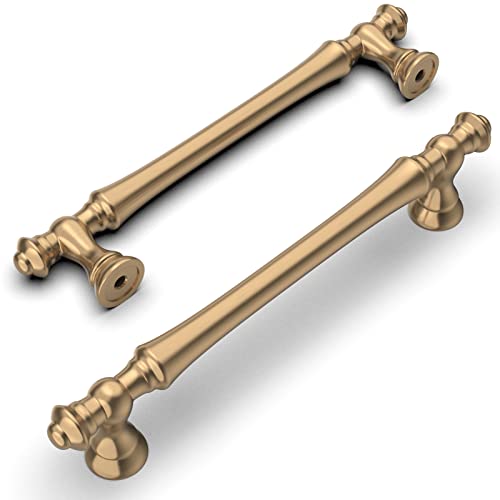
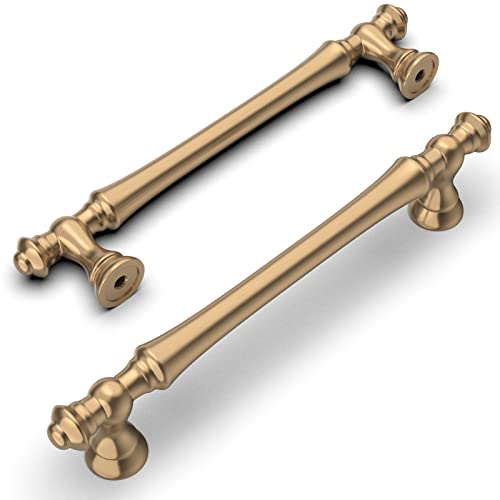
- Choose Material: Opt for brass or polished chrome that captures that retro essence. Matte finishes can offer a more subtle look.
- Consider Shape: Geometric or organic forms complement the clean, simple lines typical of the era.
- Select Size Wisely: Larger hardware pieces can create a striking visual impact, while smaller ones maintain a delicate balance.
When shopping, I search vintage stores, thrift shops, and online marketplaces for unique options. Repurposing old hardware is another route; it adds character while honoring the original design.
In addition, I pay close attention to the finish. A touch of patina can enhance authenticity, echoing the wear and charm of vintage pieces.
Lastly, don’t overlook the hinges. Upgrading them to matching finishes ensures a cohesive look throughout the piece.
Reupholstering with Retro Fabrics
Choosing vintage-inspired textiles is key. Look for options that feature iconic patterns like geometric designs, abstract prints, or bold florals reminiscent of the 1950s-60s. Brands like Knoll or fabric suppliers specializing in retro styles often provide excellent choices.
Prioritize durability and quality. Cotton blends or high-quality synthetics can offer longevity while maintaining a vintage aesthetic. Make sure the fabric is suitable for upholstery, ensuring it can withstand everyday use.
Consider texture–soft velvet or tactile bouclé adds depth and comfort, enhancing visual appeal. These materials not only evoke an era but also invite a cozy feel to spaces.
Pay attention to scale. Large prints can overwhelm smaller pieces, while smaller patterns may get lost on larger items. Strike a balance by adjusting your choice based on the size of the piece.
To achieve authenticity, seek out colors typical of the period. Earthy tones like mustard yellow, olive green, or burnt orange often reflect the era’s palette. Incorporating these hues can help evoke the desired atmosphere.
When reupholstering, ensuring proper craftsmanship is vital. Take the time to remove old fabric carefully, assess the underlying structure, and replace foam if necessary for support and comfort. This meticulous approach not only revitalizes the piece but enhances its historical significance.
Emphasizing Functionality and Minimalism
I prioritize the usability of each piece. Opt for designs that serve multiple purposes, like a coffee table with storage underneath or a sofa that converts into a bed. This not only enhances practicality but also aligns with the ethos of a streamlined aesthetic.
Eradicate unnecessary embellishments. Focus on clear forms and simple constructions, avoiding ornate details that can clutter the visual appeal. Keeping elements straightforward conveys elegance while maintaining a tidy look.
Simplicity extends to the arrangement. Create open spaces that allow for fluid movement. Arranging pieces in a way that promotes interaction without overcrowding leads to a harmonious environment. Think about functionality in arrangement as well.
Incorporate modular designs that can adapt to changing needs. This flexibility supports a minimalist philosophy, allowing for easy changes in layout while maintaining an organized appearance. Multi-functional items are pivotal in achieving this goal.
Consider the scale of items relative to the room. Select pieces that fit proportionately, preventing the space from feeling cramped. Proportionality contributes to a clean and sophisticated atmosphere.
Ultimately, the objective is to create an inviting space that reflects both form and function. Prioritizing these principles brings clarity and purpose while retaining the unique character of the aesthetic I aim to achieve.
Mixing Different Textures for Depth
I recommend layering a variety of textures to enhance visual interest and complexity in any interior. Start with a sleek wooden piece, then pair it with materials like soft upholstery or textured fabrics. Consider adding metal accents, such as brushed brass or matte black, to create a striking contrast against softer surfaces.
Incorporate natural elements, like woven baskets or ceramic pieces, to bring warmth. Mixing the shiny finish of glass with the roughness of stone can establish a captivating dialogue between different materials. For example, a glossy side table looks stunning next to a plush chair adorned with a nubby textile.
Introduce color through textured elements. A rich, velvet cushion can enliven a minimalist sofa, while a jute rug underfoot offers tactile diversity. The interplay of these elements creates a layered, inviting atmosphere that draws the eye and encourages exploration.
Keep in mind that balance is key; avoid overwhelming the space with too many competing textures. A few carefully chosen pieces can create a harmonious environment that reflects the aesthetic principles of the design era.
Positioning for Optimal Aesthetic Appeal
Strategically arranging items enhances visual interest and flow. I prioritize functionality and accessibility, ensuring everything serves a purpose. For example, place sofas against walls to maximize open spaces, allowing free movement while creating a cozy area for gathering.
Creating Visual Focal Points
Establish a central point using an eye-catching piece, like an iconic chair or a bold coffee table. Surround it with complementary accents to draw attention without overcrowding. Ensure pathways are clear to promote an inviting atmosphere.
Balancing Scale and Proportion
Achieving harmony involves balancing larger pieces with simpler elements. For instance, pair a substantial sideboard with slimmer shelving units to avoid overwhelming the space. This approach maintains proportion and keeps the design clean and uncluttered.


