
 Caleb Turner
I recommend gathering high-quality materials like wood, resin, and mother-of-pearl to craft exquisite decorative items. Start by selecting a sturdy wooden base that serves as the foundation for your piece. Ensure the wood is sanded down smoothly to achieve a polished surface that complements the inlay work.
Next, sketch your desired design on paper. Once satisfied, transfer this layout onto the wooden surface. Carefully carve out the designated areas, making precise cuts to accommodate the stunning accents you plan to insert. Aim for clear, defined edges for a seamless fit.
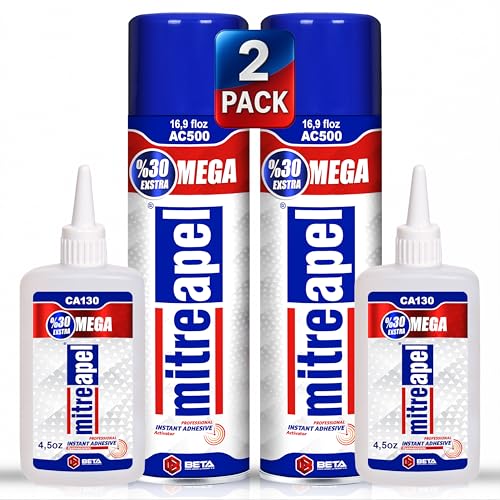
Prepare the accents by cutting them into the appropriate shapes and sizes. I find using a fine tooth blade for intricate details yields the best results. Secure each piece into place with a strong adhesive, ensuring that it’s evenly applied for a flawless finish. After the adhesive cures, apply a lacquer or finish to protect your creation while enhancing its visual appeal.
Finally, consider adding personalized touches that reflect your style. Whether it’s a family motif or an abstract design, this custom element will make your work uniquely yours. This meticulous process yields captivating items that can transform any space.
Choosing the Right Materials for Bone Inlay
For stunning results, I prefer using natural materials that harmonize and elevate the design. First, select high-quality, genuine ivory or substitute materials like resin and acrylic for ethical construction. They replicate the desirable translucence and texture.


Wood Selection
The foundation requires a sturdy, attractive wood like teak, mahogany, or mango. These choices offer durability and stability, even with detailed assemblies. Hardwoods ensure the base maintains strength against wear while showcasing intricate patterns.
Adhesives and Finishes
Opt for strong adhesives, such as epoxy resin or PVA glue. These ensure a lasting bond between the composite pieces. When finishing, I recommend using a non-toxic varnish or oil to accentuate the natural beauty of the wood and inlaid material, safeguarding them from moisture and daily use.
Tools Needed for Crafting Bone Inlay Furniture
To create intricate designs with materials sourced from animal remains, a specific set of tools is indispensable. Here’s a comprehensive list of equipment I always keep on hand:
Essential Hand Tools
These tools help in shaping and assembling the foundational pieces:
| Tool | Purpose |
|---|---|
| Chisels | For precise cutting and carving of the wooden surfaces. |
| Files | To smooth edges and refine contours for a flawless finish. |
| Ruler and Square | For accurate measurements and ensuring right angles during construction. |
Specialized Crafting Tools
These are vital for the decorative aspects of the project:
| Tool | Purpose |
|---|---|
| Dremel Tool | For intricate engraving and design work on the inlay materials. |
| Adhesive | To bond components securely; opt for a strong, wood-compatible glue. |
| Sandpaper | For final smoothing and preparation of the surface before finishing. |
Having these tools readily available streamlines the crafting process and enhances the quality of the finished pieces. Each tool plays a specific role, contributing to the overall aesthetics and durability of the creations.
Preparing the Base Furniture for Inlay Work
I recommend selecting a piece with a smooth surface, ensuring its finish allows for seamless integration of new elements. Begin by thoroughly cleaning the item with a gentle solvent to remove any grease or residue, as this will enhance adhesion during the process.
Next, inspect the structure for any imperfections or damage. Repair scratches, dents, or cracks using wood filler, allowing it to dry completely before proceeding. Lightly sanding the repaired areas will create a uniform texture, facilitating a better bond.
To outline the design, sketch your pattern directly on the surface using a light pencil. Alternatively, adhesive tape can be employed to create crisp lines. Be meticulous here; accurate placement is vital for a polished outcome.
Afterward, apply a base coat of compatible varnish or primer. This layer acts as a barrier, preventing any bonding agent from seeping into the wood, while also providing an ideal backdrop for the intricate work to follow.
Once dry, consider using painter’s tape along the perimeter of your design to protect surrounding areas during the application of additional pieces. This extra precaution affords precision and reduces cleanup time, ensuring a pristine end result.
Designing Your Bone Inlay Pattern
Begin with sketches of your design. Utilizing graph paper can simplify the process of maintaining proper scale and symmetry. I prefer to create several drafts before settling on a final pattern; this allows me to explore various motifs and geometric shapes.
Choose Your Motifs Wisely
- Floral designs: Incorporate nature-inspired elements like leaves and flowers for a classic look.
- Geometric shapes: Triangles, circles, and squares can add a modern vibe to the piece.
- Intricate patterns: Consider more complex arrangements for a unique visual impact, but ensure they are feasible for your skills.
Color and Material Considerations
Decide on the color scheme early on. Natural hues typically complement darker bases, while vibrant shades can enhance lighter woods. Experiment with different shades of resin or paint that will be used alongside your ivory substitutes. Be mindful of the contrast; high contrast between your materials can enhance the pattern’s visibility.
Keep your design proportional to the size of the surface area. A large table might benefit from a bold, expansive pattern, while smaller items can accommodate more intricate details. Always visualize how the final piece will appear in its intended setting.
Finally, remember that simplicity can often lead to elegance. A well-thought-out pattern can transform an ordinary surface into a striking focal point, making meticulous planning a key component of the design process.
Cutting and Shaping Material Pieces
For precision, I utilize a jeweler’s saw fitted with fine blades to achieve clean cuts. This tool allows for intricate detailing without causing damage. I begin by sketching the desired shapes on the natural material with a pencil, ensuring to measure accurately.
When cutting, I maintain a steady hand and work slowly to avoid fractures. After cutting, I use a file and sandpaper to smooth the edges. It’s crucial to achieve a tapered edge for proper fitting into the designated recesses of the main structure.
To shape larger pieces, I sometimes opt for a rotary tool. The key is to start with a coarse bit for rough shaping, then switch to finer bits to refine the contours. This method enhances both accuracy and control during the shaping process.
For curves and intricate designs, I find it beneficial to soak the material briefly before shaping. This softens it, allowing for easier manipulation without compromising its integrity. The final stage involves using finer sandpaper to achieve a polished finish, ensuring all pieces fit seamlessly into the overall design.
Adhering Inlay to the Surface
I begin by preparing the adhesive mixture. A high-quality two-part epoxy resin or strong wood glue works best for this application. Make sure to follow the manufacturer’s instructions for mixing and application times.
Application Steps
- Clean the surface of the substrate thoroughly to remove dust and debris, ensuring maximum adhesion.
- Apply a thin, even layer of the adhesive onto the furniture surface where the pieces will be placed.
- Carefully position each piece of inlay onto the adhesive, pressing down gently to ensure good contact.
- Use a small brush or applicator to distribute the glue evenly around the edges of each piece for added security.
- Wipe away any excess adhesive that oozes out from under the inlay pieces to maintain a clean look.
Drying and Curing
Allow the adhesive to cure fully according to the instructions provided. It’s advisable to avoid moving or disturbing the pieces during this period to ensure a strong bond.
If necessary, use clamps or weights to hold the inlay in place during curing, but take care not to apply too much pressure, as this could damage the pieces.
Once cured, sand the edges for a seamless finish. This adds a polished touch and integrates the inlay pieces smoothly with the overall surface.
Finishing Techniques for a Polished Look
To achieve a flawless surface, I usually begin with sanding the entire piece. A progression of grits, from 120 to 220, allows a smooth texture while removing any imperfections. Pay attention to edges and corners, ensuring a uniform finish across all surfaces.
Once the sanding is complete, I clean the surface with a damp cloth to eliminate dust particles, which can affect the final outcome. After drying, applying a high-quality wood conditioner prepares the surface for the upcoming finish, promoting an even application.
Choosing the right finish is key. I recommend polyurethane for its durability and water resistance. I apply it using a fine brush, ensuring thin, even coats. Typically, I opt for three coats, lightly sanding between applications for the smoothest possible surface.
If a matte look is desired, I prefer using a matte acrylic sealant. Applying this after the polyurethane dries adds an additional protective layer without compromising the aesthetic. Always let each coat dry thoroughly, as this dramatically affects the final gloss and smoothness.
For added depth, I sometimes apply a paste wax over the dried finish. Buffing it with a soft cloth enhances the luster, providing a professional touch that elevates the overall appearance.
Here’s a quick overview of the steps in table format:
| Step | Description |
|---|---|
| Sanding | Use grits from 120 to 220, focusing on edges for smoothness. |
| Cleaning | Wipe down with a damp cloth to remove dust. |
| Conditioning | Apply wood conditioner to prepare for the finish. |
| Finishing | Apply polyurethane in thin, even coats; sand between each layer. |
| Sealing | For a matte finish, use a matte acrylic sealant over polyurethane. |
| Buffing | Apply paste wax and buff with a soft cloth for extra sheen. |
Each step is crucial in creating an exquisite final product that showcases detailed craftsmanship and enhances the beauty of the piece.
Maintaining Bone Inlay Furniture for Longevity
Regular dusting with a soft microfiber cloth helps prevent buildup and keeps surfaces clean without scratching. I recommend avoiding harsh chemicals or abrasive materials that could damage delicate designs.
For deeper cleaning, I use a damp cloth with a mild soap solution. It’s important to wipe any moisture immediately to prevent water damage. I also apply a specialized polishing wax periodically to enhance the sheen and protect the surfaces from wear and tear.
Direct sunlight exposure can fade colors, so positioning items away from strong light sources prolongs the vibrancy of patterns. I also ensure that humidity levels in the environment remain stable; drastic changes can cause cracking or warping.
Every few months, I inspect joints and seams for any signs of damage or looseness. Addressing these issues promptly prolongs the integrity of the piece. Keeping it away from sharp objects and being gentle during use is crucial to avoid scratches and dents.
Finally, arranging items thoughtfully on the surfaces to avoid excessive weight on any one area can further enhance durability. By following these practices, I maintain my decorative pieces in excellent condition for years to come.
FAQ:
What materials do I need to create bone inlay furniture?
To create bone inlay furniture, you will need a few key materials. The most important is the bone itself, which can be sourced from various animals, typically discarded from the meat industry. You will also need a base piece of furniture, such as a wooden table or cabinet. Other materials include adhesive for attaching the bone pieces, a saw or cutter for shaping the bone, sandpaper for smoothing edges, and finishes like varnish or lacquer to protect the final piece. Additional tools may include a ruler, compass, and a cutting mat for precise measurements and cuts.
Can I use synthetic materials for bone inlay instead of real bone?
Yes, synthetic materials can be used as an alternative to real bone in bone inlay furniture. Options such as resin or plastic can mimic the appearance of bone while being more sustainable and often easier to work with. These materials come in various colors and patterns, allowing for creative freedom. However, keep in mind that using synthetic materials may change the traditional look and feel of your inlay work. If you’re aiming for authenticity, real bone is preferred, but creative projects can benefit from synthetic options.
What is the best method for applying the bone pieces to my furniture?
The application process for bone pieces involves several steps. First, carefully plan your design and layout on the furniture surface. Once satisfied, use a strong adhesive to attach the bone pieces. Start from one edge and work your way across, applying an even layer of glue to ensure a strong bond. After placing the pieces, allow them to cure as per the glue manufacturer’s instructions. Once dry, you may need to sand the edges for a smooth finish and to ensure everything is flush. Finally, apply a protective finish to seal your work and enhance its durability.
How long does it take to make a piece of bone inlay furniture?
The time required to create a piece of bone inlay furniture can vary widely depending on the complexity of the design and your skill level. Simple designs might take a few days, especially if you are familiar with woodworking and the inlay process. More intricate patterns may take weeks, as they require careful planning, precise cutting, and multiple stages of gluing, sanding, and finishing. If you are a beginner, be prepared to dedicate additional time to learning techniques and perfecting your craftsmanship as you work on your piece.
Are there any special care instructions for maintaining bone inlay furniture?
Bone inlay furniture requires some specific care to maintain its appearance and integrity. To clean, use a soft, damp cloth to wipe down surfaces; avoid harsh chemicals that can damage the bone or finish. If you notice scratches or dull spots, a gentle sanding followed by a reapplication of your topcoat can restore its shine. It’s essential to keep the furniture out of direct sunlight and excessive humidity, as both can cause the bone to yellow or crack over time. Regular maintenance, including checking for loose pieces or wear, will help extend the life of your inlay work.
What materials do I need to create bone inlay furniture?
To create bone inlay furniture, you will need several key materials. Primarily, you’ll need a substrate, which is often made of wood and serves as the base of your furniture piece. For the inlay itself, you’ll require bone, which can be sourced from various animals such as cows or camels. The bone should be cut into thin pieces, often using a saw or specialized cutting tools. Additionally, you will need adhesive to secure the bone pieces to the wood surface, often an epoxy or strong wood glue. You might also want to include finishing materials such as paint, varnish, or lacquer to enhance the look of the completed piece and protect it from damage. Lastly, tools like chisels, knives, and sandpaper will help you shape the inlays and achieve a polished finish.


