
 Caleb Turner
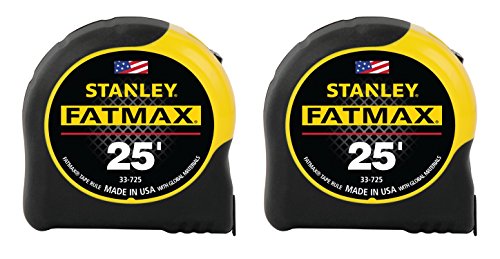
I recommend taking precise measurements of both the object you plan to move and the entrance it needs to pass. Begin with evaluating the width and height of the item, including any protruding parts. Next, measure the height and width of the entrance itself. Pay special attention to the frame, as it can narrow the usable space.
Additionally, consider the diagonal measurement of the object. Using this dimension can be exceptionally helpful for bulkier pieces, as angles often provide a better way to maneuver through tight spaces. If your object has removable parts, disassembling it can ease the passage dramatically.
Lastly, visualize the path your item needs to take. Clear any obstacles, and if necessary, have a friend assist you to navigate corners. Planning this process methodically saves time and potential damage to both your property and the piece itself.
Measure the Dimensions of the Furniture
Accurate measurement of your item is crucial to ensure a smooth transition into your space. Begin by obtaining a reliable tape measure or laser measure.


Focus on the following dimensions:
- Height: Measure from the base to the highest point.
- Width: Measure across the widest part.
- Depth: Measure from front to back.
For items with irregular shapes, such as sofas or armchairs, ensure to measure any protruding elements like arms or legs that may impact passage.
Document your findings for reference. A handy tip is to take pictures of the measurements alongside the item for clarity.
Consider Assembly Requirements
Some pieces can be disassembled. Confirm if removal of legs or backs is possible for easier handling. This technique can save valuable inches during transport.
Double Check with Available Space
Before attempting to move your piece, corroborate it against the opening size. Measure the width and height of the entryway, accounting for any obstacles nearby, like wall features or light fixtures. Allow for extra space to maneuver around corners.
Check the Door Frame Measurements
I measure the height and width of the door frame carefully. I begin by using a tape measure, ensuring accuracy down to the nearest inch. When measuring the height, I take note of any obstructions above the door, such as moldings or overhangs that may affect clearance. It’s crucial to measure both the inside and outside of the frame, as the width can vary depending on the door’s placement.
Assess Any Additional Elements
Next, I examine any hardware, like door handles or locks, that could protrude. I typically account for these when measuring the overall width and height. If the door opens inward, I check if there’s enough clearance between the door and the walls, as this can influence the passing of larger items.
Document the Dimensions
I keep a record of the measurements in a notebook or on my phone to ensure that I have them handy when planning the move. If I find that the measurements are close, I may consider temporarily removing the door from its hinges to create extra space for larger items. This simple adjustment often makes a significant difference in the process.
Determine the Angle for Maneuvering
Assess the angle required for maneuvering large items by first positioning the object upright and angling it toward the entrance. This technique provides a clearer sense of how it will navigate the threshold and the surrounding space. I typically find it helpful to visualize a line from the corner of the entrance to the furthest point of the object to gauge if it can pivot within the available area.
Utilize a Template
Create a cardboard template that matches the dimensions of the piece. By tilting this template at various angles, I can simulate the movement without the risk of damage. This allows for testing different approaches to see which angle minimizes contact with walls and surfaces while maximizing clearance.
Consider the Pathway
Evaluate the path leading to the entryway. Angles may change based on nearby furniture or architectural features like stairs and hallways. As I plan the movement, I always take note of potential obstacles along the way, ensuring there’s enough room for adjustments during transportation.
Account for Any Obstacles in the Path
Prioritize checking for any potential barriers along the route. This includes furniture, wall hangings, and other structures that may impede movement. Use a tape measure to assess distances from the entrance to the destination, accounting for turns and corners that may affect passage.
Identify Common Obstacles
Common obstructions often include:
| Obstacle Type | Potential Solutions |
|---|---|
| Rugs or Carpets | Roll them up or temporarily remove them |
| Large Potted Plants | Reposition them to a secure area |
| Wall Decor | Take down or relocate items within reach |
| Narrow Hallways | Plan the arrangement to navigate without hindrance |
Space Evaluation
Examine the overall dimensions of the passageway. Look for uneven surfaces that could alter the angle of approach and make handling more complex. Additionally, measure vertical clearance to ensure that high-reaching pieces can be maneuvered without issue. Taking these factors into account enables a smoother transition and reduces the risk of damage or frustration during the process.
Use furniture sliders for test fitting
Using sliders can simplify the process of assessing whether a piece can enter a space. Start by placing sliders under the corners of the item. This reduces friction, allowing for easy movement along the floor. Gently push the item toward the entrance while angling it slightly, observing how it interacts with the frame.
Benefits of this method
This technique lets me visualize the potential pathway without heavy lifting. By sliding the item, I can also check for any projected obstructions that may require adjustments. It’s a straightforward method to gain confidence before attempting the actual move.
Additional tips
While testing with sliders, ensure there’s enough space around the entry for both the item and myself. If a particular angle seems tight, consider repositioning to find a more accommodating approach. This practical method helps avoid surprises on moving day.
Consider disassembly options
Check if any pieces can be taken apart to ease movement. Most larger items have removable sections such as legs, tops, or backs, which can simplify the process significantly.
Before disassembly, identify necessary tools and familiarize yourself with the assembly instructions. Use a toolkit with all required items to avoid interruptions during the process.
Take careful measurements of the individual parts after disassembly. This allows for a detailed plan on how to maneuver them through narrow access points.
Label each disassembled piece and any hardware used for reassembly. This can prevent confusion later on, ensuring a smooth setup in the new location.
Consult online resources or manufacturer guides for additional assistance on disassembly techniques specific to certain models. This can provide insights that enhance your approach.
Always handle disassembled parts with care; using protective coverings like bubble wrap can prevent scratches and damage during transit.
Plan for the delivery process
Before scheduling delivery, create a detailed timeline. Identify the exact day and time for the arrival of the item. Communicate this schedule with everyone involved to ensure that the plan is clear.
Assign roles for the delivery. Have someone available to supervise the process, assist with heavy lifting, or manage any unexpected issues that may arise during transport.
Confirm with the delivery team about their equipment and methods. Make sure they have proper tools, such as dollies and straps, to maneuver the piece safely.
Conduct a walkthrough of the location to visualize the path. Highlight any tight spots on the route, including sharp turns or narrow hallways, to help strategize the best approach.
Prepare the site by clearing the area where the item will be positioned. Remove any decorative items, rugs, or furniture that could obstruct movement or lead to accidents.
Anticipate potential weather conditions on the delivery day. If rain or snow is expected, take precautions to protect both the item and your flooring during the transition.


