
 Caleb Turner
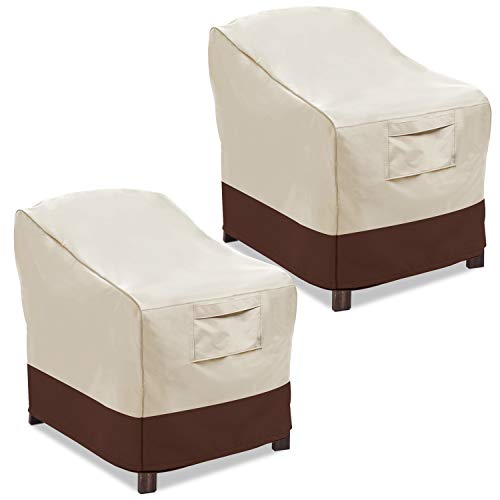
To prevent unwanted visitors from lounging on your outdoor seats, an effective approach is setting up physical barriers. Consider using decorative screens or netting, which not only provide protection but can also enhance the aesthetic appeal of your outdoor space.
Using scents can also be an effective deterrent. Citrus peels, vinegar, or commercially available deterrent sprays can create an unwelcoming environment. Sprinkling citrus peels around the seating area or applying vinegar to the furniture itself will make the area less appealing.
Incorporating motion-activated devices can significantly reduce unwanted activity. These devices emit sounds or bursts of water when movement is detected, unsettling any intruder and encouraging them to seek a different spot.
Maintaining cleanliness in the vicinity is equally important. Regularly clearing away food sources and debris will make your outdoor area less attractive to those looking for an easy meal or a comfy resting place.


Lastly, creating an inviting space away from your seating can help redirect attention. Providing a sheltered area with comfortable bedding or feeding stations in a different location may divert interest from your furniture.
Understanding Cat Behavior and Habits
Observing body language is key; a relaxed posture indicates comfort, while an arched back signifies distress. I’ve noted that cats often prefer elevated locations for safety, making my furniture appealing territory. Using elevated surfaces like shelves or cat trees elsewhere can redirect their interest.
Territorial Instincts
Territory is vital for these animals. They mark areas with scent glands located on their cheeks and paws. To minimize unwanted visits, I regularly clean surfaces to eliminate smell markers. Enhancing my space with strong odors that cats dislike, such as citrus or certain herbs, deters them effectively.
Curiosity and Playfulness
Feline curiosity drives them to explore. Offering engaging alternatives like interactive toys can distract attention. Setting up a designated play area away from my relaxation zone helps channel their energy positively. Keeping items that attract their interest, such as crumpled paper or string, in specific locations may also reduce their urge to invade my space.
Choosing the Right Furniture Materials
Opt for materials that are less appealing to animals. Synthetic fabrics like polyester and acrylic resist stains and are less inviting for wildlife, making them suitable choices. Additionally, consider metal and treated wood for durability; these materials deter unwanted visitors due to their texture and temperature.
Using finishes that are smooth or slightly cold can reduce interest. A well-sealed surface repels moisture, which can make the area less hospitable. Explore options like aluminum or teak that are not only resilient but also resistant to claw marks and scratches.
Incorporate outdoor textiles treated with repellents. Fabrics such as solution-dyed acrylic, known for their longevity and colorfastness, can be an excellent choice for your setting due to their resistance to fading and fraying.
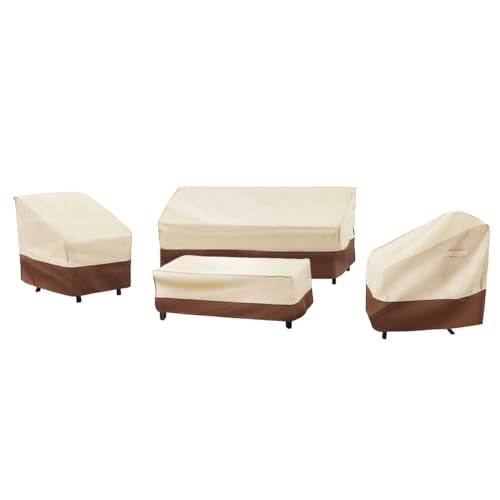
For added deterrence, consider using furniture covers made from heavier materials when not in use. These can physically block access and create an uninviting environment. Heavy-duty tarps offer both protection from the elements and an extra layer against intruders.
Utilizing Natural Deterrents
To discourage unwanted four-legged visitors, I incorporate various natural deterrents that are effective yet safe. Citrus scents, for instance, can be a simple solution; placing orange or lemon peels around seating areas repels many felines, as they dislike these fragrances.
Herbal Solutions
Herbs such as lavender, rosemary, and sage can serve dual purposes: adding beauty to outdoor spaces while providing a natural barrier. Planting these around seating or scattering dried herbs can make the environment less appealing to curious nibblers.
Aromatherapy with Essential Oils
Furthermore, using essential oils like citronella, eucalyptus, and peppermint offers another layer of protection. I mix a few drops with water in a spray bottle and lightly mist the area. However, it’s crucial to ensure that these oils are applied sparingly and well-diluted to prevent any damage to materials or discomfort to other wildlife.
| Deterrent | Application Method | Effectiveness |
|---|---|---|
| Citrus Peels | Scatter around seating | High |
| Herbs | Plant nearby or scatter dried herbs | Moderate |
| Essential Oils | Mix with water and spray | Variable |
By adapting these natural solutions, I manage to create a welcoming, furniture-friendly space without harming any critters. This approach promotes a balance between maintaining my outdoor comfort and respecting nature.
Implementing Physical Barriers
Installing physical barriers is a reliable strategy to prevent felines from accessing my outdoor seating. A few options to consider include:
Fencing
Utilizing a sturdy fence around the area can deter animals quite effectively. Consider the following:
- Choose a minimum height of four feet to prevent jumping.
- Ensure no gaps or holes exist, as cats excel at squeezing through narrow spaces.
- Top the fence with a row of angled wire or plastic spikes to further discourage climbing.
Furniture Covers
Using protective covers creates an additional layer of defense:
- Select fitted covers made from durable materials that withstand the elements.
- Consider purchasing covers that feature zippers, securing them tightly during non-use.
- Opt for heavier fabrics that are less likely to be pushed aside.
Utilizing trays or mats with prickly textures under items can physically deter landings.
Incorporating netting over seating areas during off-hours also discourages unwanted visitors.
Regular inspection of barriers ensures they remain in optimal condition. Regular maintenance and adjustments can keep external nuisances at bay effectively.
Creating Uncomfortable Zones for Cats
Implementing citrus peels or scents like orange or lemon can deter felines effectively. Placing these around your space creates an uninviting environment due to their aversion to these fragrances.
Adding Textural Discomfort
Incorporate materials such as double-sided tape or aluminum foil on surfaces where unwanted visitors might settle. The adhesive texture is irritating to their sensitive paws, encouraging them to seek more comfortable spots.
Incorporating Motion-Activated Deterrents
Utilizing motion-activated devices that emit noises or spray harmless bursts of air can be particularly effective. These unexpected stimuli disrupt their behavior and encourage them to avoid areas associated with these disturbances.
By combining these strategies, the area will become less appealing to felines. This approach focuses on creating a space that is not relaxing or inviting, thus reducing their presence over time.
Using Cat Repellent Sprays
Opting for cat repellent sprays serves as a practical approach to deter unwanted feline visitors. Products comprising citrus or eucalyptus oils often work effectively, as the scent tends to repel. I recommend searching for formulations specifically labeled as safe for outdoor use to avoid damage to nearby plants or wildlife.
Top Recommended Sprays
| Product Name | Main Ingredients | Notes |
|---|---|---|
| Nature’s Miracle | Citrus Scent | Biodegradable formula; safe for use around plants. |
| PetSafe SSSCAT | Motion-Activated Spray | Senses movement and releases a spray; effective for training. |
| Homemade Vinegar Spray | Vinegar & Water | Simple to make and cost-effective; test on small surfaces first. |
Application involves consistently spraying the selected product around the perimeter of your area. Reapply after rain or heavy wind, as these conditions diminish effectiveness. The goal is to create a scent barrier that cats find unappealing, encouraging them to seek alternative areas. Testing in small sections can determine the most effective spots for application.
While repellent sprays can significantly reduce visits, combining them with other deterrent methods enhances results. Regularly monitoring and adjusting strategies based on observable behavior can contribute to long-term solutions.
Setting Up Scare Tactics
I recommend utilizing noise-making devices and visual deterrents to prevent unwanted guests from lounging on my outdoor seating. Wind chimes, for instance, can create an audible distraction that will keep these furry visitors at bay. Additionally, motion-activated sound machines can emit startling noises when they detect movement, effectively scaring away any intruders.
Reflective surfaces can also serve as effective scare tactics. Placing shiny objects, like old CDs or aluminum foil strips, around the area can create an unsettling environment due to the light reflections. This discomfort may discourage them from approaching.
Predator replicas like plastic or inflatable owls are another option. Positioning these faux birds around the space can create the illusion of danger. Models that rotate or move with the wind are particularly effective, as they mimic the unpredictable movements of real predators.
For an added layer of surprise, try incorporating sudden changes in the environment. A motion-activated sprinkler system will not only provide a burst of water when triggered but also create a startling experience that they’ll be keen to avoid.
Lastly, regularly changing the placement of these deterrents can amplify their effectiveness, as familiarity can reduce their scare potential. Keeping the approach fresh ensures they remain wary of the area.
Incorporating Motion Sensors
I recommend installing motion-activated devices on your porch. They can effectively deter uninvited visitors by detecting movement and triggering a response.
Types of Motion Sensors
- Spray Systems: These devices release a harmless spray when motion is detected, creating an unexpected barrier.
- Sound Emitters: These sensors emit high-frequency sounds that are unpleasant for many animals, encouraging them to leave the area.
- Light Sensors: Bright lights that activate upon movement can startle animals and discourage their presence.
Installation Tips
- Position sensors at strategic points near the entrance to your space for maximum effectiveness.
- Adjust the sensitivity settings to ensure that all activity is detected without being triggered by harmless movement, such as blowing leaves.
- Regularly check the batteries or power sources to maintain functionality.
Using these motion-based devices creates an environment that is less welcoming, helping to preserve the integrity of your outdoor spaces without causing harm to any animal.
Establishing a Consistent Cleaning Routine
I recommend a structured cleaning schedule to deter unwelcome visitors. Start with daily maintenance to ensure any enticing scents are removed from the area.
- Remove food and water sources promptly after use.
- Wipe down surfaces with a mixture of vinegar and water; the scent will discourage animals from lingering.
- Sweep and vacuum regularly to eliminate fur and dander that may attract attention.
Engaging in weekly deep cleaning will further minimize appeal:
- Wash any fabrics or cushions in warm water to remove odors.
- Inspect for signs of previous habitation, addressing any mess immediately.
- Rotate items to ensure no single spot becomes a preferred resting place.
Monthly, consider using a more thorough disinfectant to refresh the area. Keeping it clean sends a clear message that this is not a suitable resting spot.


