
 Caleb Turner

Regular cleaning is essential. I make it a point to scrub the surfaces of my outdoor seating and tables with a mild soap solution at least once every two weeks. This simple act removes dirt and organic matter where mold thrives.
Applying a mildew-resistant spray enhances protection. After cleaning, I treat the surfaces with a specialized mildew inhibitor, which forms a barrier against growth. Make sure to choose a product appropriate for the material of your items.
Storage matters too. During the off-season or periods of heavy rain, I store my benches and chairs indoors or under protective covers to shield them from excess moisture. Ventilated coverings allow airflow, preventing a damp environment.


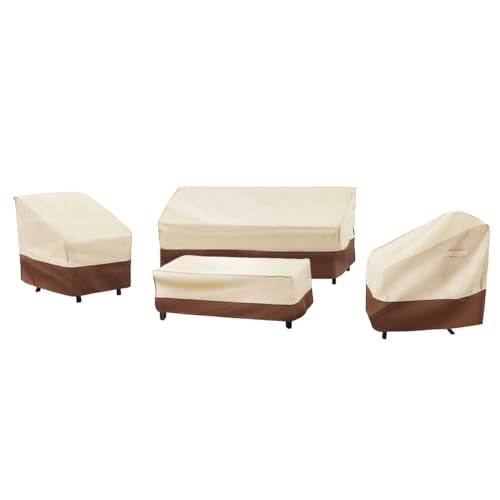
Selecting materials designed to resist moisture aids longevity. I prefer synthetic wicker, aluminum, or teak, which naturally fend off rot and mildew, thereby reducing maintenance efforts.
Lastly, arrange your outdoor space to improve airflow. Ensuring there’s enough space between pieces enhances drying after rain, minimizing the risk of fungal growth. Think about positioning strategically to benefit from natural breezes.
Preventing Mold Growth on Patio Seating and Tables
Use breathable covers that allow moisture to escape while protecting against elements. This reduces the likelihood of mold.
Choose materials resistant to moisture retention such as aluminum, teak, or high-quality resin. These options minimize dampness, inhibiting spore development.
Regularly clean every piece with a mixture of water and mild soap to remove organic materials. Scrub surfaces with a soft brush to ensure thorough cleaning. Rinse completely and allow to dry before storage.
- Inspect and maintain drainage areas around seating. Ensure water does not accumulate.
- Position items with sufficient space between them to promote airflow.
- Utilize dehumidifiers in enclosed spaces to reduce surrounding air moisture.
Store items indoors during periods of heavy rain or high humidity. This will protect them from excess moisture levels most conducive to fungal growth.
Employ a vinegar solution as a natural deterrent. Spray on affected areas, let it sit for an hour, then rinse thoroughly with water.
Regular exposure to sunlight can help inhibit mold. If possible, arrange seating to maximize sun exposure during the day.
Choosing Mildew-Resistant Materials for Outdoor Furniture
Select furniture made from materials like aluminum and resin wicker, as they are highly resistant to mold growth. Opt for synthetic fabrics such as solution-dyed acrylic for cushions, which repel moisture and prevent mildew formation.
Consider teak, a hardwood known for its natural oils that resist water and mold. If selecting wood, ensure it’s treated or includes a finish that inhibits moisture absorption. This choice not only enhances durability but also minimizes maintenance needs.
Using powder-coated metals protects against rust and inhibits mold, while easy-to-clean plastic options offer practicality without compromising aesthetics. For a sustainable choice, look into bamboo treated with eco-friendly preservatives that provide a natural barrier against microbial development.
When selecting pieces, prioritize ventilation in the design. Items that allow air circulation reduce stagnation, limiting mold growth. Incorporate removable cushions that can be stored indoors during adverse weather to extend longevity.
By focusing on these materials and design factors, I can significantly reduce the chance of mold issues, ensuring long-lasting and visually appealing seating arrangements.
Regular Cleaning Techniques to Prevent Mildew Growth
I recommend establishing a consistent cleaning routine tailored to the materials in use. For synthetic wicker, a mixture of warm water and mild soap can effectively remove dirt and organic matter. A soft-bristle brush helps reach seams and crevices; rinse with a hose afterward.
For wooden pieces, utilizing a solution of vinegar and water is beneficial. This not only cleans but also deters mildew spores. Wipe surfaces with a cloth soaked in this mixture, then dry immediately to avoid moisture retention.
Metal constructions require a different approach. Regularly applying a gentle cleaner specifically designed for metal surfaces will extend their lifespan. It’s important to inspect for rust and treat it promptly to prevent further issues.
| Material Type | Cleaning Solution | Technique |
|---|---|---|
| Synthetic Wicker | Warm water + mild soap | Brush with soft-bristle, rinse |
| Wood | Vinegar + water | Wipe with cloth, dry immediately |
| Metal | Metal cleaner | Apply gently, check for rust |
<p Incorporate seasonal deep cleaning sessions into the schedule. Removing debris and thoroughly washing at least twice yearly can significantly reduce moisture accumulation. After cleaning, ensure all items are completely dry before storing or covering.
I also suggest investing in protective covers that are breathable to prevent moisture buildup while still providing protection from the elements during off-seasons.
Storing Outdoor Furniture During Off-Season
Choosing a sheltered area or indoor space for storage ensures protection against moisture and temperature fluctuations. Begin by thoroughly cleaning each piece. I use a mixture of mild soap and water, followed by a rinse and complete drying, to eliminate any residue that might promote mold growth. After drying, I group materials, separating cushions from frames. For items with fabric, I place them in breathable storage bags to prevent condensation build-up.
I make sure that all metal components are dry to avoid rust. Applying a rust inhibitor adds an extra layer of defense. For wood pieces, a wood conditioner or sealant can provide added protection during dormancy. It’s essential to store items in a dry, well-ventilated area; I often utilize a basement or garage that stays consistently dry. A temperature-controlled environment keeps materials stable, reducing the chance of damage.
If outdoor seating is left uncovered, utilizing tarps or weatherproof covers can augment defense against the elements. During storage, I also elevate furniture on pallets or blocks to keep it off the ground, which minimizes contact with moisture. In addition, periodic checks throughout the off-season ensure that all pieces remain in excellent condition, allowing for timely intervention if issues arise.
Using Covers to Protect Furniture from Moisture
Covers designed explicitly for outdoor seating and tables play a pivotal role in moisture protection. Opt for breathable, waterproof materials to safeguard against rain while allowing condensation to escape, preventing trapped moisture that leads to fungal growth.
Consider investing in fitted covers that snugly encase the entire piece, including legs and arms. Fastening mechanisms like straps or drawstrings ensure that covers stay in place during windy conditions, further enhancing their protective capabilities.
Regularly inspect the covers for wear and tear. Replace them if damaged to maintain optimal defense against environmental elements. When not in use, store these covers in a dry, shaded area to prolong their lifespan.
Utilizing a combination of covers with other strategies, such as strategic placement in shaded areas, can significantly minimize the risk of moisture accumulation. Always make a habit of securing covers before inclement weather to maintain an effective barrier against potential mildew threats.
Applying Protective Sealants to Wooden Furniture
Regularly applying a high-quality sealant is crucial for maintaining the integrity of wooden pieces. I recommend using a penetrating oil finish or a water-repellent sealant designed specifically for outdoor use. These products penetrate the wood fibers, providing a barrier against moisture.
Before application, ensure the surface is clean and dry. Use a suitable cleaner to remove any existing dirt or mildew. Once the surface is prepped, apply the sealant with a brush or cloth, ensuring even coverage. Pay extra attention to the end grains, as these areas are more prone to water absorption.
A second coat enhances protection. I typically wait 24 hours between applications to ensure each layer cures properly. Remember to check the manufacturer’s recommendations for specific drying times and reapplication schedules, usually every 1-3 years depending on local weather conditions.
For additional protection, consider using a sealant with UV inhibitors, which will help to prevent fading and damage due to sun exposure. Regular inspection for signs of wear is also important; reapply the sealant as needed to maintain the protective barrier.
Managing Outdoor Environment to Reduce Humidity
Installing a proper drainage system around areas where seating is placed can significantly minimize moisture accumulation. Ensure that water flows away from these spaces, preventing pooling near items.
1. Landscaping Choices
- Avoid planting dense foliage close to seating areas, as this can create shade and trap moisture.
- Consider using gravel or pebbles instead of grass for pathways and zones surrounding seating, as these materials promote better drainage.
2. Airflow Improvement
- Arrange seating to allow for optimal airflow. Placing items in a manner that promotes circulation will help keep them dry.
- If possible, install a fan in the area to encourage air movement, particularly in sheltered nooks.
Investing in a dehumidifier for covered areas can be beneficial; it actively pulls moisture from the air. Regular monitoring of humidity levels can guide when to use this equipment.
It’s crucial to check surrounding structures for potential moisture sources such as leaking gutters. Addressing these issues can be beneficial in keeping ambient humidity levels low.
Identifying Signs of Mildew and Reacting Promptly
I regularly inspect for subtle changes on surfaces. Look for discolored patches, typically black, green, or white, which often indicate the presence of mildew. A musty odor can also signal trouble; if I smell it, I take immediate action.
Pay attention to textured areas, such as seams or corners. These spots can trap moisture and provide a perfect breeding ground for fungi. If I notice any dampness or a sticky feel, it’s time to intervene.
Act quickly upon detection. I use a mixture of water and vinegar or mild soap for initial cleaning. Rinse thoroughly and dry surfaces completely to discourage further growth. If mildew persists, a mixture containing chlorine bleach can be effective, but I always follow up with rinsing to prevent damage.
Monitoring is key. I keep an eye on weather changes and adjust maintenance routines if prolonged dampness is expected. Keeping a close watch ensures I can react swiftly and maintain the integrity of my possessions.
Utilizing Natural Remedies for Mildew Prevention
Using vinegar is a straightforward method to deter mold. Mix equal parts of white vinegar and water in a spray bottle. Apply this solution to the affected areas and allow it to air dry. The acetic acid in the vinegar inhibits mildew growth effectively.
Baking soda is another versatile option. Create a paste by combining baking soda and water, then apply it to the surfaces where mold tends to appear. Let it sit for an hour before wiping it clean with a damp cloth. This will not only eliminate existing spores but also prevent future outbreaks.
Essential Oils as Natural Deterrents
Certain essential oils possess antifungal properties. Tea tree oil, for instance, is highly effective against mold. Add a teaspoon of tea tree oil to a cup of water and spray it on the furniture. Its strong scent also acts as a natural deterrent, keeping mold at bay.
Lavender oil is another option that can be beneficial. Mix several drops with water in a spray bottle and use it similarly. The pleasant aroma leaves your surroundings fresh while combating mildew.
Citrus Solutions
Lemon juice, with its natural acidity, can help in mold prevention. Applying undiluted lemon juice to the affected areas not only combats existing mildew but also leaves a fresh scent behind. Additionally, orange peels and their oils can provide a natural alternative, as they contain compounds that inhibit mold growth.
Incorporating these natural remedies into your routine provides an eco-friendly approach to maintaining a clean and healthy environment, minimizing mildew-related issues efficiently.
Maintaining Proper Ventilation for Outdoor Spaces
To ensure sufficient airflow in my patio or garden area, I prioritize the arrangement of items. Avoiding overcrowding with cushions, chairs, and tables allows breezes to circulate freely. I strategically position furniture to create pathways for air to flow, enhancing ventilation. Additionally, I opt for designs that encourage airflow, such as elevated base furniture or slatted configurations.
Utilizing Planters and Greenery
I incorporate potted plants or vertical gardens to improve airflow. Placing them near seating areas not only beautifies the space but also assists in promoting better circulation. These elements can act as natural barriers while still allowing air movement, reducing humidity levels in their vicinity.
Creating Shade Structures
Installing awnings, pergolas, or umbrellas provides shade while still enabling air circulation. These structures protect against rain that can elevate moisture levels, yet allow breezes to pass through openings. It’s crucial to ensure that any coverings do not obstruct airflow completely, maintaining a balance between shelter and ventilation.


