Caleb Turner

Applying a high-quality sealant designed for metal surfaces is one of the most effective approaches to shielding your outdoor pieces from deterioration. By choosing a sealant that creates a protective barrier, I can prevent moisture and oxygen from reaching the surface, significantly reducing oxidation.
Regularly inspecting the coating for any signs of wear or damage is crucial. If I notice any scratches or chips, I address them immediately by applying touch-up paint to maintain that protective layer. Additionally, I make it a habit to clean the surfaces routinely with mild soap and water, avoiding any harsh chemicals that could strip the protective finish.
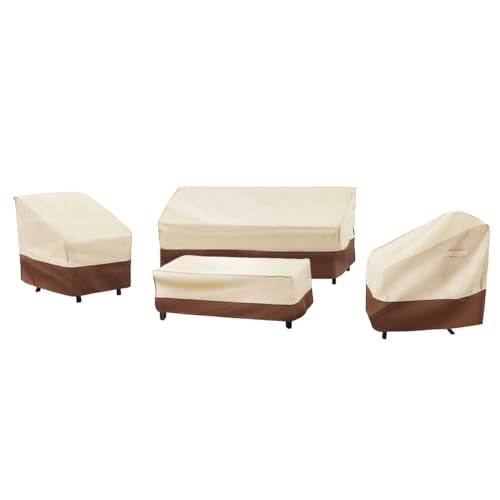

Storing these items indoors during harsh weather conditions also plays a significant role in preserving their condition. Whenever possible, I bring everything inside or cover them with breathable fabric covers specifically designed to prevent moisture buildup. This simple step helps in maintaining their aesthetic appeal and structural integrity.
Preventing Corrosion on Outdoor Metal Items
I recommend applying a wax or sealant regularly to shield surfaces from moisture and elements. Look for products specifically designed for outdoor surfaces, as they form a protective barrier.
Utilizing a cover during unfavorable weather is beneficial. Ensure that any covering is breathable to prevent moisture buildup that can lead to degradation.
Consider investing in furniture with powder-coated finishes. This treatment provides a durable surface that is more resistant to water and oxidative damage.
Debris can trap moisture, so routine cleaning should be part of your maintenance strategy. Use a soft cloth and mild soap to remove dirt, then dry thoroughly afterwards.
Regular inspections are crucial. Check for any chipped paint or scratches. Address these immediately with touch-up paint to maintain the integrity of the surface.
For surfaces showing signs of decay, apply a rust-inhibiting primer before repainting. This can extend the longevity of the item significantly.
Ensure proper storage during off-seasons. Storing items in a dry space minimizes exposure to humidity and helps to maintain their condition over time.
Utilizing rubber or silicone pads under legs can prevent metal-to-metal contact with the ground, reducing moisture transfer and promoting airflow.
Regularly maintaining joints and movable parts using marine-grade lubricant can deter corrosion and ensure functionality.
Finally, choosing a location with good air circulation can help in reducing moisture buildup, further protecting the surfaces from environmental factors.
Choose the Right Material for Your Outdoor Settings
Selecting suitable materials is critical for ensuring durability and resistance to harsh elements. Opt for aluminum or stainless steel, as both provide natural resistance to corrosion and wear. Aluminum is lightweight, making it easy to move, while stainless steel delivers strength and a modern aesthetic.
Consider Coatings
Many manufacturers apply protective coatings to their products, enhancing longevity. Look for items with powder-coated finishes, which add an extra layer of shielding against moisture and environmental factors. Opting for galvanized steel can also offer additional rust protection.
Explore Composite Options
Composite materials, often engineered from a blend of wood fibers and recycled plastic, are an excellent alternative. They mimic the appearance of traditional wood while resisting decay and moisture damage. These options require minimal maintenance and provide a long-lasting solution for outdoor use.
Apply a Protective Coating Regularly
I recommend applying a protective coating specifically designed for outdoor metal surfaces. Explore options such as enamel paint, powder coating, or specialty rust-inhibiting sprays. Ensure the surface is clean and dry before application to achieve optimal adhesion.
A thin, even layer is crucial; avoid drips or thick spots, which can trap moisture. Reassess the coating every season, especially after harsh weather or heavy use, and apply a fresh coat as needed. By doing this, I maintain a barrier against corrosive elements, significantly extending the lifespan of my outdoor seating.
For best results, use coatings that prioritize UV resistance. This protects against fading and deterioration from sunlight exposure. Additionally, I focus on rustproof options that can withstand humidity and moisture, ensuring long-lasting durability.
When applying, wear gloves and a mask for protection. Apply in a well-ventilated area to ensure safety and effectiveness. Investing time in this task pays off by preserving aesthetics and functionality, keeping my outdoor relaxation areas looking their best for years to come.
Store Furniture Properly During Off-Season
To extend the lifespan of your outdoor items, ensure they are stored in a dry, well-ventilated area during the off-season. Utilizing a shed or garage is optimal, but if these aren’t available, consider a weather-resistant storage bag or tarp.
Before storing, clean each piece thoroughly to remove dirt, debris, and moisture. Allow any remaining water to evaporate completely to prevent mold and corrosion. It’s advisable to cover sharp edges and corners with protective padding to avoid damage during handling.
For larger structures, disassembling them can save space and reduce wear. Whenever possible, stack items vertically to minimize contact points that might trap moisture.
The table below outlines key steps for effective off-season storage:
| Step | Action |
|---|---|
| 1 | Clean thoroughly |
| 2 | Dry completely |
| 3 | Use protective covers |
| 4 | Disassemble larger pieces |
| 5 | Store in a dry, ventilated place |
By following these guidelines, you will significantly reduce the risk of deterioration during extended periods of non-use.
Clean Your Furniture to Remove Moisture and Debris
I recommend washing your outdoor seating regularly to prevent moisture accumulation and debris buildup. A simple solution of mild soap and water works wonders. Use a soft cloth or sponge to wipe down surfaces thoroughly.
Focus on Hard-to-Reach Areas
Pay attention to the joints and crevices where dirt and water can hide. A gentle brush can help dislodge stubborn particles without scratching the finish.
Dry Thoroughly after Cleaning
Once cleaned, make sure to dry all surfaces completely. I usually use a microfiber cloth for this step, as it absorbs moisture effectively. Leaving any dampness can promote corrosion, so take extra care.
Use Rust Inhibitors for Extra Protection
Applying rust inhibitors provides an additional layer of safeguard against corrosion. These specialized products can significantly extend the lifespan of your outdoor seating arrangements.
Selecting the Right Inhibitor
Choose rust inhibitors that are specifically formulated for outdoor use. Here are a few options to consider:
- Oil-based inhibitors: These penetrate and create a barrier against moisture.
- Acrylic coatings: These dry quickly and offer an excellent protective layer.
- Epoxy primers: These bond well to surfaces, providing strong resistance to rust.
Application Tips
For optimal results, follow these application guidelines:
- Ensure the surface is clean and dry before application.
- Apply evenly using a brush or spray, focusing on joints and seams.
- Allow sufficient drying time as per manufacturer instructions.
- Reapply as recommended, especially after harsh weather conditions.
By integrating rust inhibitors into your maintenance routine, you can effectively combat oxidation and preserve your outdoor seating for years to come.
Inspect for Signs of Rust and Address Early
Regular examinations are key. I check the surfaces for any discoloration or flaking that indicates the onset of corrosion. Use a soft cloth to wipe down the surfaces, making it easier to see any initial signs of wear.
Early Detection Techniques
Pay close attention to joints and seams, as these areas tend to trap moisture. I use a magnifying glass for a more detailed inspection, which helps in detecting tiny fissures or rust spots before they develop into larger problems. It’s advisable to perform these checks at least once a month during damp conditions.
Immediate Actions
If I find rust, immediate treatment is essential. I sand the affected area with fine-grit sandpaper until the rust is removed and the surface is smooth. After treating, I apply a rust-inhibiting primer followed by a suitable paint or sealant to restore the protective layer.
Consider Using Furniture Covers for Added Defense
Covers provide an effective barrier against moisture and debris, significantly enhancing protection. A well-fitted cover can prevent water from pooling, which is a primary catalyst for deterioration.
Choosing the Right Cover
- Opt for breathable materials that prevent trapped moisture.
- Ensure the cover fits snugly to avoid wind displacement.
- Look for UV-resistant options to minimize sun damage.
Maintenance Tips for Covers
- Regularly remove and clean covers to prevent mold growth.
- Inspect for wear and tears that could compromise their effectiveness.
- Store covers in a dry place when not in use to prolong their lifespan.
By incorporating protective covers, I can create an additional layer of defense that safeguards my outdoor seating against unfavorable weather conditions.